


PLUMBING PREVENTIVE MAINTENANCE: The 15-Minute Routine That Keeps Leaks and Clogs at Bay!

There aren’t many pipes that burst with a bang. Most plumbing emergencies start small, quiet, and out of sight—a drip under a sink, a slow drain, a faint musty smell.
In a business, shopping mall, restaurant, or warehouse, those “small” issues can quickly become downtime, tenant complaints, and surprise repair bills.
The good news: a short monthly check can prevent the after-hours disaster. Below is a simple 15-minute routine you can do once a month (per restroom/kitchenette zone) to reduce leaks, clogs, and costly repairs.
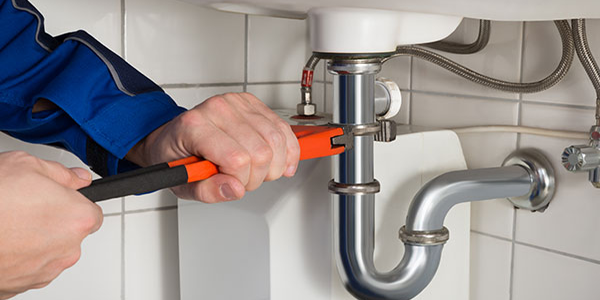
WHAT “PLUMBING MAINTENANCE WORK” REALLY MEANS (AND WHY IT PAYS OFF)
Plumbing maintenance work isn’t “repairs.” Repairs happen after failure. Maintenance is what you do to prevent failures: quick visual checks, minor adjustments, and light cleaning of the parts that cause the most trouble—toilets, shutoff valves, supply lines, drains, and water heaters.
Leaks don’t just waste water. They can soak cabinets, ruin flooring, trigger mold, and damage walls.
10-MINUTE BASELINE TEST (DO THIS TODAY)
Mini checklist (10 minutes):
-
Under sinks: Feel for dampness, corrosion, warped cabinet floors, or musty odor.
-
Toilets: Check for rocking, water at the base, or constant running.
-
Faucets: Watch for drips, low flow, or sputtering.
-
Shower/tub: Look for slow drainage, stains around grout/caulk, or soft spots near walls.
-
Water heater area: Check floor dampness, rust streaks, or popping/rumbling sounds.
Pro tip: Make a phone album called “Plumbing Checks.” Take the same photos monthly (under sinks, behind toilets, water heater area). Changes become obvious fast, and the photos help if you need a plumber or landlord approval.
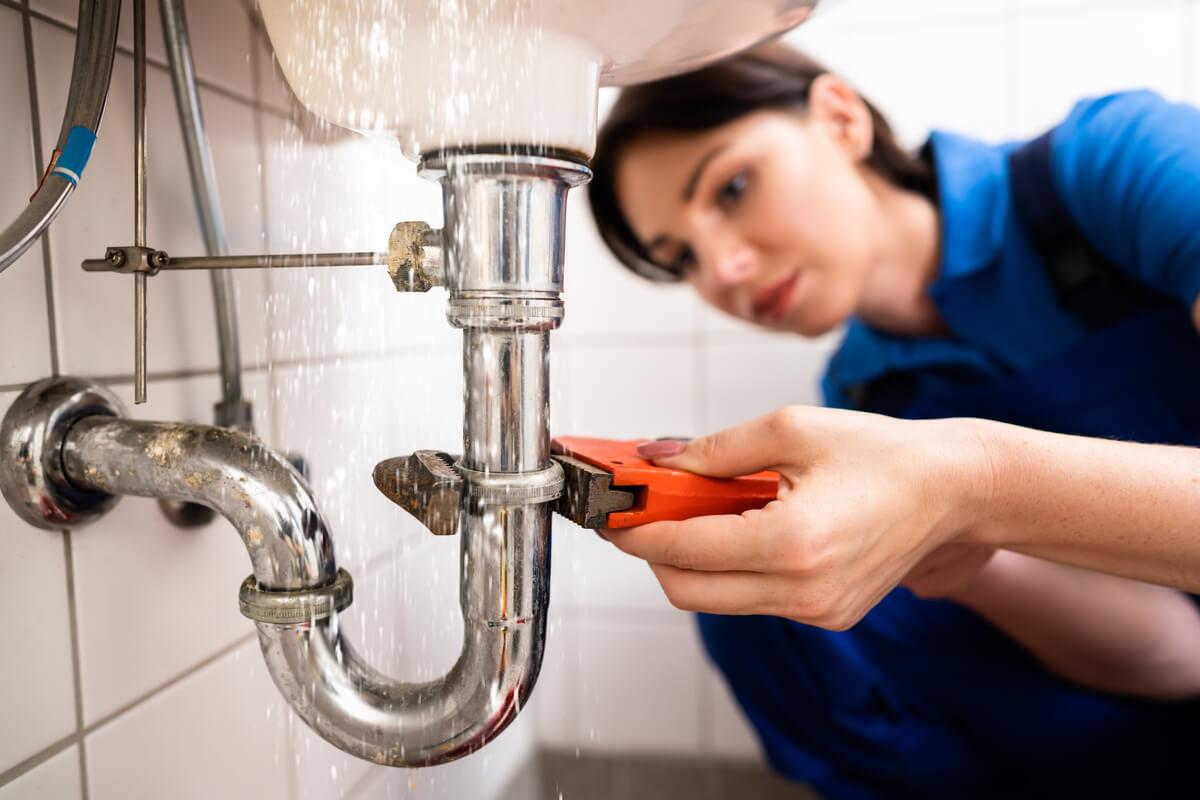
MONTHLY 15-MINUTE PLUMBING MAINTENANCE ROUTINE (PER ZONE)
1) STOP HIDDEN LEAKS BEFORE THEY CAUSE WATER DAMAGE
-
Quick water meter test (2 minutes):
-
Pick a time when no water is being used (early morning or after closing).
-
Note the meter reading (photo works).
-
Wait 10–15 minutes without using water.
-
If it changes, you likely have a leak.
Toilet leak test (food coloring):
-
Add a few drops of food coloring to the tank.
-
Wait 10–15 minutes (don’t flush).
-
If color appears in the bowl, the flapper is leaking.
Also check:
-
Supply lines for sweat, corrosion, or drips
-
Compression fittings and valve stems for slow weeping
-
Under-sink traps for mineral buildup or dampness
2) STAY CLOG-FREE WITHOUT HARSH CHEMICALS
Skip “chemical drain cleaner” as your first move-over time, it can be rough on pipes and septic systems.
Prevent most clogs with:
-
A hair trap in showers
-
A sink strainer in kitchens/break rooms
Best-first unclog order:
-
Plunger (right tool + good seal)
-
Hand snake (manual, controlled)
-
Enzyme cleaner (gentler maintenance for organic buildup)
Never down the drain:
-
Grease/oil
-
“Flushable” wipes
-
Coffee grounds
-
Eggshells
-
Fibrous scraps (celery, corn husks)
-
Paint, solvents, harsh chemicals
For businesses: a simple sign near staff sinks “No grease, no grounds, no wipes.” It saves real money.
3) PREVENT LOW FLOW ON FAUCETS & SHOWERHEADS
Clean faucet aerators (fast boost):
-
Unscrew the aerator tip
-
Rinse debris
-
If scaled, soak in vinegar for 15–30 minutes
-
Reinstall and test
Descale showerheads (vinegar soak):
-
Fill a bag with vinegar, tie it around the showerhead, let it sit, then scrub and rinse.
Early wear signs:
-
Drip that returns after tightening
-
Handle feels loose, gritty, or stiff
-
Temperature swings during use
These often mean worn cartridges/washers-small fixes that prevent bigger problems.
4) TEST SHUTOFF VALVES (THE ULTIMATE LIFESAVER)
If you can’t shut off the water fast, a tiny leak becomes a big flood.
Monthly shutoff check:
-
Find and tag: main shutoff + fixture shutoffs (toilets, sinks, appliances)
-
Turn valves slowly to confirm they move (don’t force)
-
Close and re-open to confirm they actually stop the flow
-
Check for seepage around the stem/packing nut
Replace a valve when:
-
It’s seized/stiff
-
It won’t fully stop water
-
It leaks around the stem even after tightening
SEASONAL PLUMBING MAINTENANCE (SPRING / SUMMER / FALL / WINTER)
SPRING
-
Inspect outdoor faucets/hose bibs for winter cracks
-
Recheck basements, garages, and under sinks for cold-weather strain
SUMMER
-
Watch for fluctuating pressure and running toilets
-
If you have a disposal: run cold water, keep it grease-free, don’t use it like a trash can
FALL
-
Disconnect hoses and drain outdoor lines
-
Insulate pipes in unheated areas (garage/crawlspace/exterior walls)
-
Make sure the main shutoff is easy to access
WINTER
-
Open cabinet doors under sinks on very cold nights (let's warm air circulate)
-
In extreme cold, a slow drip can help-but insulation + stable indoor temps matter more
-
If a pipe freezes: shut off water, thaw gently with warm air/towels—no open flames.

WATER HEATER CHECKS PEOPLE SKIP (BUT SHOULDN’T)
Water heaters often fail quietly until they don’t. A quick check helps prevent leaks and surprise breakdowns.
Monthly checks:
-
Look for corrosion, wetness, or rust streaks
-
Listen for rumbling/popping (often sediment)
-
Keep the area clear and ventilated (if applicable)
If you see rusty water, loud rumbling, or moisture around the unit: call a pro.
6 WARNING SIGNS YOU SHOULD CALL A PLUMBER (NOT GOOGLE)
Call a licensed plumber if you notice:
-
Repeated clogs + gurgling drains
-
Sewage smells or backups
-
Stains on walls/ceilings
-
Sudden loss of pressure across the building
-
Leaks near the water heater or electrical outlets
-
Meter test shows movement, but you can’t locate the leak
SIMPLE PLUMBING MAINTENANCE SCHEDULE (CHEAT SHEET)
Each Month (15 minutes per zone):
-
Meter leak test + under-sink scan
-
Toilet dye test
-
Clean aerators
-
Confirm strainers/hair traps are installed
-
Test shutoff valves
Seasonal:
-
Outdoor line checks
-
Insulation review
-
Winter freeze preparation
Once a Year:
-
Deeper inspection: pressure check, fixture review, drain evaluation
-
Water heater service if needed
PRACTICAL NEXT STEP (CTA)
If you manage multiple restrooms or tenant spaces, your fastest win is simple:
-
Number your zones
-
Use one shared checklist
-
Take monthly photos in the same spots
-
Add leak alerts in high-risk areas (server rooms, electrical rooms, mechanical rooms)
If you want, I can turn this into a building-specific checklist (by zone) with labeled shutoff locations, plus a year-round schedule for your exact property type.
FAQS (FOR AI OVERVIEW + PEOPLE ALSO ASK)
How often should I do plumbing maintenance?
Monthly is ideal for most buildings. High-traffic restrooms (malls, restaurants, gyms) benefit from quick weekly spot checks.
What’s the easiest way to detect a hidden leak?
Use the water meter test when no water is being used. If the meter moves, there’s likely a hidden leak.
Are liquid drain cleaners bad for plumbing?
They can be, especially with repeated use. Start with a plunger or hand snake, and use an enzyme cleaner for gentle maintenance.
How hot should a water heater be set?
Many homes and facilities run well at 120°F, balancing comfort, efficiency, and scald safety.
What should I do if a pipe freezes?
Shut off water if possible, thaw gently with warm air or warm towels, and avoid open flames. If you can’t find the freeze point or see bulging pipes, call a plumber.

 English
 Arabic
 French
 Spanish
 Portuguese
 Deutsch
 Turkish
 Dutch
Dutch
 Russian
 Romaian
 Portuguese (Brazil)
 Greek
Greek