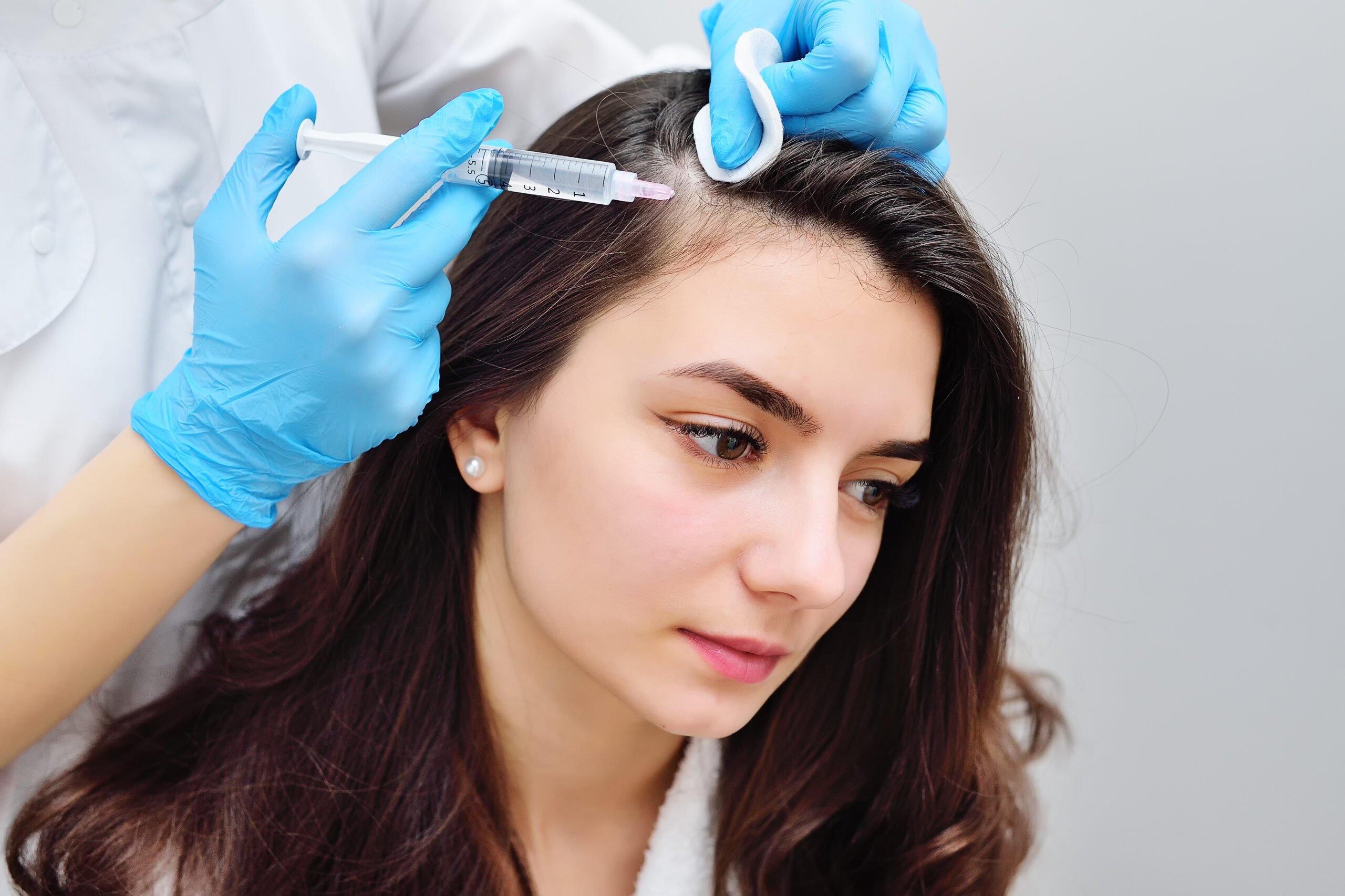
Platelet-Rich Plasma (PRP) therapy has emerged as one of the most popular non-surgical treatments for hair thinning and early hair loss. In Riyadh, many people — both men and women — are choosing PRP because it is natural, minimally invasive, and uses the body’s own healing mechanisms to improve hair health. One of the most common questions potential patients ask is: How many PRP sessions are needed to see results? This is a great question because understanding the treatment timeline helps set realistic expectations, plan finances, and stay committed to the process. PRP hair treatment in Riyadh is a popular non-surgical option for improving hair thickness, reducing hair fall, and supporting natural hair regrowth over time.
In this comprehensive guide, we break down the factors that determine the number of sessions required for PRP hair treatment in Riyadh, what a typical treatment schedule looks like, how long results last, and how ongoing maintenance plays a role. The goal is to provide clarity so you know what to anticipate before starting PRP.
1. PRP Hair Treatment Isn’t a One-Time Procedure
First and foremost, it’s important to understand that PRP hair therapy is not a single treatment with an instant outcome. Hair growth happens in cycles, and stimulating dormant or weak hair follicles takes time. Because of this, most specialists recommend multiple PRP sessions during the initial phase of treatment. These sessions work cumulatively — meaning each one builds on the benefits of the previous session.
In Riyadh, clinics typically schedule a series of initial sessions spaced several weeks apart. This approach gives the scalp time to respond to the growth factors in PRP and allows the hair roots to gradually strengthen.
2. Typical Initial PRP Treatment Plan
Although individual needs vary, the most commonly accepted initial protocol consists of 3 to 4 PRP sessions spaced about 4–6 weeks apart. Here’s how this usually works:
Session 1: Baseline Stimulation
The first session introduces concentrated growth factors directly into the scalp. This kick-starts the healing response in the follicles and improves blood flow to areas of thinning hair.
Session 2 (4–6 weeks later)
By now, the scalp’s biology has started responding. The second session reinforces the healing response and encourages more robust follicle activation.
Session 3 (another 4–6 weeks later)
With three sessions complete, many patients begin noticing changes in hair texture, reduced shedding, and early signs of thicker hair growth.
Session 4 (optional, depending on individual progress)
Some specialists recommend a fourth session in the initial phase if thinning was more pronounced or if progress seems slower.
3. Why Several Sessions Are Needed
PRP works by signaling stem cells in the hair follicle to become more active and healthy. This process involves a biological cascade of events — increased blood flow, stimulation of follicular cells, and strengthening of the hair shaft — that unfolds gradually. Multiple sessions help reinforce and repeat this signaling so that results are consistent and sustained.
It also mirrors how the natural hair growth cycle works. Hair grows, rests, falls out, and regrows in phases. PRP supports healthier follicles across multiple cycles, which means repeated stimulation helps ensure more hairs stay in the growth phase longer.
4. When Do Results Start to Appear?
Most people don’t see immediate, dramatic changes after the first session — this is normal. Hair growth and thickening are gradual processes, and it often takes 8–12 weeks (2–3 months) before visible improvement becomes noticeable. That said, some people report feeling reduced shedding or improved scalp sensation sooner.
During the initial 3–4 sessions, many patients start to observe:
-
Reduced hair fall in the shower or while brushing
-
Slight improvement in hair thickness
-
Better scalp health and density over time
The full impact of the initial treatment phase usually becomes more obvious after 3 to 6 months.
5. Maintenance Sessions: Sustaining the Gains
Once the initial series of sessions is complete, the next step is maintenance. Hair thinning is often a chronic condition, especially if influenced by genetics, hormones, stress, or aging. Without maintenance, the benefits from PRP may gradually fade.
Most specialists recommend maintenance PRP sessions every 3 to 6 months after the initial series. The frequency depends on the individual’s response, age, overall health, and pattern of hair loss. Women who have hormonal imbalances or are prone to recurrent thinning may benefit from slightly more frequent maintenance, while others may find a 6-month interval sufficient.
Maintenance sessions serve to reinforce the progress made during the first phase and help sustain hair thickness, strength, and growth patterns over the long term.
6. Factors That Influence the Number of Sessions
Several individual factors can influence how many PRP sessions are truly needed:
Severity of Hair Thinning
The more advanced the thinning, the more sessions may be recommended to achieve noticeable improvement.
Age
Younger patients often respond more quickly and may require fewer sessions compared to older individuals with longer-standing hair loss.
Overall Health
Good nutrition, balanced hormones, and minimal stress can improve the effectiveness of PRP and sometimes reduce the number of sessions needed.
Consistency with Follow-Up
Missing scheduled sessions or shifting timelines can slow progress, meaning more treatments may be needed later.
7. Final Thoughts
In Riyadh, a typical PRP hair treatment plan starts with 3 to 4 sessions spaced 4–6 weeks apart, followed by maintenance treatments every 3–6 months. While results are not instantaneous, many patients gradually see improvement in hair density, reduced shedding, and stronger follicles with consistent care.
Consulting a qualified specialist is key to developing a personalized plan that suits your unique hair loss pattern and health profile. With commitment and realistic expectations, PRP can be a powerful tool in your hair restoration journey.




 English
 Arabic
 French
 Spanish
 Portuguese
 Turkish
 Dutch
Dutch
 Italiano
 Russian
 Romaian
 Portuguese (Brazil)
 Greek
Greek