


Recovery time after a beard hair transplant in Riyadh
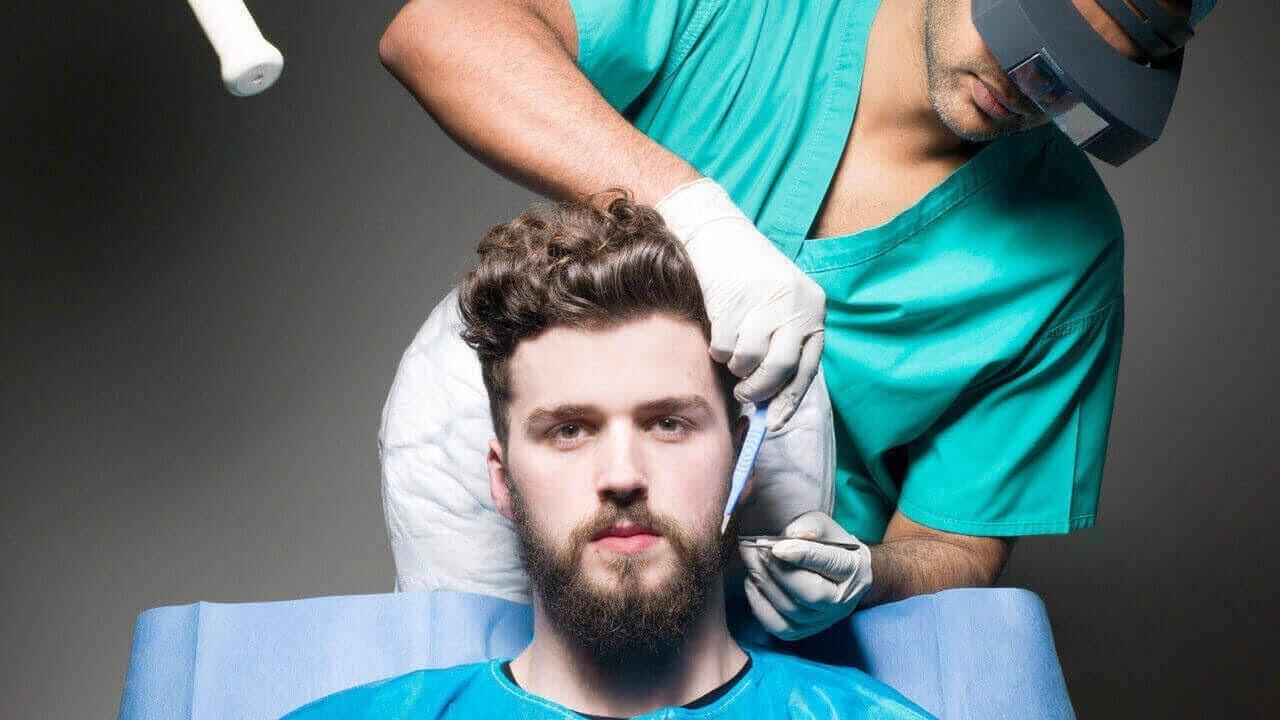
Recovery time after a beard hair transplant in Riyadh is an important consideration for anyone planning to undergo the procedure. Understanding the stages of healing, what to expect immediately after the transplant, and how to care for the treated area can help ensure optimal results and a smoother experience. Recovery is generally straightforward, but it requires patience and adherence to post-operative instructions to achieve a natural-looking, full beard. Beard hair transplant in Riyadh offers men the chance to restore patchy or thin facial hair with natural-looking results.
Immediately following a beard hair transplant, the treated area may feel tender, swollen, or slightly inflamed. This is a normal reaction and typically subsides within a few days. Small scabs form around the newly implanted hair follicles, which act as a protective barrier during the initial healing process. These scabs usually fall off within seven to ten days. During this period, it is important to avoid touching, scratching, or picking at the transplanted area, as this can dislodge grafts and compromise the results. Patients are often advised to sleep with their head slightly elevated to minimize swelling and to apply any prescribed ointments or antiseptics to reduce the risk of infection.
In the first week after the procedure, swelling around the cheeks, jawline, and even under the eyes is common. This swelling typically peaks around day two or three and gradually reduces by the end of the first week. Cold compresses or ice packs may be recommended by the surgeon to alleviate discomfort. Mild redness and tenderness may also persist for a few days, but these symptoms are generally temporary and part of the normal healing process. Patients are advised to avoid strenuous physical activity, heavy exercise, or any action that increases blood flow to the face during this period, as it may exacerbate swelling or affect graft survival.
One of the critical phases in recovery is the shedding of transplanted hair. Within the first two to three weeks, patients may notice that the newly implanted hairs begin to fall out. This is a completely normal process known as “shock loss” and should not cause concern. The hair follicles remain intact beneath the skin and begin producing new hair over the following months. Understanding this phase helps patients manage expectations and reduces anxiety about initial appearances. During this period, it is also important to follow any recommended washing routines using gentle, mild cleansers to avoid disturbing the grafts.
By the end of the first month, most scabs will have healed, and redness or irritation typically diminishes. Patients can gradually resume more normal activities but are still advised to avoid intense sun exposure, saunas, or harsh facial treatments that could interfere with healing. Protecting the transplanted area from ultraviolet rays is crucial, as the skin remains sensitive, and sunburn can negatively affect the growth of the new follicles. Using sunscreen or wearing protective clothing is often recommended during outdoor activities.
Between one and three months post-transplant, new hair begins to grow from the implanted follicles. Initially, this hair may be fine, thin, or lighter in color, but it gradually thickens and darkens over time. This stage requires patience, as visible results are not immediate. Regular follow-ups with the surgeon can help monitor progress and ensure that hair growth is on track. Many patients start to see noticeable improvements in beard density around the three- to four-month mark.
By six to eight months, most patients notice significant improvement in beard coverage and fullness. Hair growth continues to become denser, and the transplanted hair starts blending naturally with existing facial hair. It is during this period that grooming routines such as trimming, shaping, or styling can be safely resumed, allowing patients to maintain the desired appearance. Maintaining a healthy lifestyle, including a balanced diet, proper hydration, and avoiding smoking, can further support optimal hair growth and recovery.
Full results of a beard hair transplant in Riyadh are generally achieved between eight to twelve months post-procedure. At this stage, the transplanted hair should grow naturally, matching the texture and direction of existing beard hair. Patients can expect long-lasting results, with minimal maintenance beyond standard grooming. It is important to note that individual recovery times may vary depending on factors such as age, overall health, and adherence to post-operative care instructions.

 English
 Arabic
 Spanish
 Portuguese
 Deutsch
 Turkish
 Dutch
Dutch
 Italiano
 Russian
 Romaian
 Portuguese (Brazil)
 Greek
Greek