


Understanding Septal Perforation: Causes, Symptoms, and Advanced Treatment Options
What Is a Septal Perforation
The nasal septum is the thin wall made of cartilage and bone that separates the two nostrils. It plays an essential role in guiding airflow, supporting the structure of the nose, and maintaining proper nasal function. When a hole develops in this wall, it is known as a septal perforation. Depending on its size and location, it can cause discomfort, breathing issues, and structural concerns.
Many patients begin researching Septal perforation treatment after experiencing persistent nasal dryness, crusting, or a whistling sound while breathing. While some perforations remain small and manageable, others may worsen over time if left untreated. Understanding the condition is the first step toward choosing the most appropriate solution.
Common Causes of Septal Perforation
Septal perforations can develop for several reasons. In some cases, they occur after nasal surgery such as septoplasty or rhinoplasty. When blood supply to the septum is compromised during healing, tissue breakdown may follow.
Other causes include nasal trauma, chronic nose picking, prolonged use of certain nasal sprays, and untreated infections. Autoimmune diseases and exposure to harmful chemicals may also contribute. In rare cases, recreational drug use can severely damage the nasal lining and underlying cartilage.
Identifying the root cause is important because it guides the treatment approach and reduces the risk of recurrence.
Recognizing the Symptoms
Symptoms vary depending on the size of the perforation. Small perforations may not produce noticeable discomfort, while larger ones can significantly affect breathing and daily comfort.
Common signs include
Nasal dryness
Frequent crusting
Nosebleeds
Whistling noise during breathing
Nasal congestion
Facial discomfort
Some individuals also report a sensation of nasal blockage even though the airway appears open. In advanced cases, structural weakening of the nose can alter its shape.
Because these symptoms overlap with other sinus conditions, a proper examination by a qualified specialist is essential.
How the Condition Is Diagnosed
Diagnosis typically begins with a detailed medical history and physical examination. A physician uses specialized instruments to inspect the nasal cavity and measure the size of the perforation. In certain cases, imaging studies may be recommended to evaluate surrounding structures.
Laboratory testing may be required if an underlying autoimmune or inflammatory disorder is suspected. A careful and thorough evaluation ensures that treatment addresses both the perforation and any contributing medical factors.
Non Surgical Management Options
Not every perforation requires surgery. For smaller defects that cause minimal symptoms, conservative management can provide relief.
Saline irrigations help maintain moisture inside the nose. Humidifiers reduce dryness in indoor environments. Prescription ointments may promote healing and reduce crusting. Silicone septal buttons can also be inserted to close the hole temporarily and minimize airflow turbulence.
These measures do not permanently close the perforation but may improve comfort and prevent progression. Regular follow up care is important to monitor changes in size or symptoms.
When Surgery Becomes Necessary
Surgery is considered when symptoms persist despite conservative care or when the perforation is large. Chronic bleeding, severe crusting, and structural instability are strong indicators for intervention.
The goal of surgery is to close the hole and restore normal anatomy. This requires precise technique and careful handling of delicate nasal tissues. The complexity of the procedure depends on the size and location of the defect.
Advancements in reconstructive techniques have improved outcomes, allowing many patients to regain both comfort and nasal function.
Techniques Used in Septal Perforation Repair
Modern septal perforation repair involves repositioning healthy tissue to cover the defect. Surgeons may use local mucosal flaps from inside the nose or graft materials such as cartilage or fascia to reinforce closure.
In some cases, cartilage from the ear or rib is used to provide structural support. The approach is tailored to the individual anatomy and severity of the perforation. Meticulous surgical planning is essential because tension or inadequate blood supply can lead to recurrence.
Healing typically requires several weeks, and patients must follow detailed aftercare instructions to ensure proper recovery.
Relationship Between Sinus Health and Nasal Structure
Septal perforation often coexists with other nasal conditions such as chronic sinus inflammation or structural deviation. Functional procedures like balloon sinuplasty can help improve sinus drainage and reduce inflammation that might otherwise interfere with healing.
Balloon sinuplasty is a minimally invasive technique that gently opens blocked sinus passages without removing tissue. By improving airflow and sinus function, it may create a healthier environment for overall nasal recovery.
Addressing both structural and sinus related concerns provides a more comprehensive treatment strategy.
Emotional and Quality of Life Considerations
Breathing difficulties can affect sleep, concentration, and overall wellbeing. Recurrent nosebleeds or visible nasal changes may also impact confidence. For individuals already dealing with facial structural concerns, the presence of a septal perforation can be distressing.
A thoughtful evaluation that considers both physical and emotional factors leads to better long term outcomes. Patients benefit from clear communication about risks, expectations, and realistic results.
Recovery and Aftercare
Post treatment care plays a critical role in success. After surgery, patients are advised to avoid nose blowing, heavy lifting, and strenuous activities for a period of time. Saline sprays and prescribed medications help maintain moisture and prevent infection.
Follow up visits allow the surgeon to monitor healing progress and address any complications early. Adhering to instructions reduces the risk of reopening the perforation.
Full recovery varies depending on the extent of repair, but most patients gradually return to normal routines within a few weeks.
Preventing Future Complications
Prevention involves protecting nasal tissues from trauma and dryness. Using saline sprays in dry climates, avoiding overuse of medicated nasal sprays, and seeking early treatment for infections can make a difference.
Patients who undergo nasal surgery should follow postoperative guidelines carefully to minimize complications. Early recognition of unusual symptoms allows prompt management before a small issue becomes a larger defect.
Frequently Asked Questions
What causes a septal perforation to get worse
Continued irritation, infection, or trauma can enlarge the hole over time. Poor nasal hygiene and untreated inflammation may also contribute to progression.
Is surgery always required
No. Many small perforations can be managed with moisturizing treatments and monitoring. Surgery is reserved for cases with significant symptoms or structural problems.
How long does recovery take after surgical repair
Initial healing often occurs within a few weeks, but complete tissue stabilization may take several months. Following medical advice is essential for long term success.
Can septal perforation affect breathing permanently
If left untreated, large perforations may lead to persistent airflow disturbances. Proper management significantly improves breathing function in most patients.
Are there risks involved in surgical repair
As with any procedure, risks may include bleeding, infection, or recurrence. Choosing an experienced specialist and adhering to aftercare instructions reduces these risks.
Septal perforation is a condition that requires thoughtful evaluation and individualized care. From conservative measures to advanced surgical solutions, management depends on the size of the defect and the severity of symptoms. Understanding the available options empowers patients to make informed decisions about their nasal health and overall quality of life.
22
SEO Title: Advanced Solutions for Nasal Health and Facial Harmony in Beverly Hills
Meta Title: Septal Perforation Treatment Los Angeles and Facial Plastic Surgery Guide
Meta Description: Learn about septal perforation treatment Los Angeles options, nasal surgery solutions, and expert insights on facial balance and Rhinoplasty in Beverly Hills.
Tags: septal perforation, nasal surgery, facial plastic surgery, rhinoplasty, septoplasty, balloon sinuplasty, Beverly Hills surgeon, nasal reconstruction, cosmetic facial procedures, sinus treatment
Focus Keywords: septal perforation treatment los angeles, Rhinoplasty in Beverly Hills
Understanding Nasal Structure and Function
The nose plays a vital role in breathing, filtering air, regulating humidity, and shaping facial symmetry. Inside the nose, the septum divides the nasal passages into two sides. When this thin wall becomes damaged, either through trauma, previous surgery, infection, or certain medical conditions, it may develop a hole known as a septal perforation.
A septal perforation can cause symptoms such as crusting, nosebleeds, whistling sounds while breathing, and chronic dryness. In more severe cases, it may lead to structural changes that affect both breathing and appearance. Seeking timely care is important to prevent worsening complications and to restore comfort.
For individuals researching septal perforation treatment los angeles, it is essential to understand that treatment approaches vary depending on the size of the perforation and the patient’s overall nasal anatomy. Some cases may be managed conservatively with humidification and topical care, while others require surgical repair to close the defect and rebuild internal support.
Causes and Symptoms of Septal Perforation
Septal perforations can develop for several reasons. Prior nasal surgeries, particularly aggressive septoplasty procedures, are among the most common causes. Trauma, repeated nasal picking, cocaine use, autoimmune conditions, and chronic infections can also contribute.
Symptoms may include
• Frequent nosebleeds
• Nasal congestion
• Dryness and crusting
• A whistling sound during breathing
• Nasal collapse in advanced cases
When the perforation affects structural support, it can change the external appearance of the nose. This overlap between function and aesthetics highlights the importance of careful evaluation by a specialist trained in both reconstructive and cosmetic nasal surgery.
Treatment Options for Septal Perforation
Management depends on the size and location of the perforation, as well as the severity of symptoms.
Non Surgical Care
Smaller perforations may be managed with saline sprays, moisturizing ointments, and humidification to reduce dryness and crusting. In some cases, a septal button made of medical grade material can be inserted to cover the hole and relieve symptoms.
Surgical Repair
Larger perforations often require surgical correction. The procedure typically involves elevating tissue from within the nose and using grafts to close the defect. Cartilage from the ear or rib may be used to restore structural integrity. Successful repair requires precision and a deep understanding of nasal anatomy.
Recovery varies but usually involves several weeks of careful aftercare. Patients are advised to avoid trauma, excessive blowing of the nose, and activities that increase pressure inside the nasal cavity.
The Role of Functional Nasal Surgery
Septal perforation is not the only condition that affects nasal breathing. A deviated septum, enlarged turbinates, and chronic sinus inflammation can also compromise airflow. Functional procedures such as septoplasty and balloon sinuplasty aim to restore proper breathing without altering the external appearance.
Balloon sinuplasty is a minimally invasive technique that gently opens blocked sinus passages using a small balloon catheter. It is often recommended for patients with chronic sinusitis who have not responded to medication. This approach reduces downtime and preserves natural anatomy.
Functional improvements often lead to better sleep, increased energy, and improved quality of life.
Facial Balance and Structural Harmony
The nose sits at the center of the face and plays a defining role in overall facial balance. Even subtle irregularities can influence how other features are perceived. When structural concerns such as septal perforation or deviation are combined with cosmetic dissatisfaction, a comprehensive surgical plan may be considered.
A skilled facial plastic surgeon evaluates both internal function and external aesthetics. This dual approach ensures that breathing is optimized while maintaining or enhancing facial harmony.
Cosmetic Nasal Surgery and Its Impact
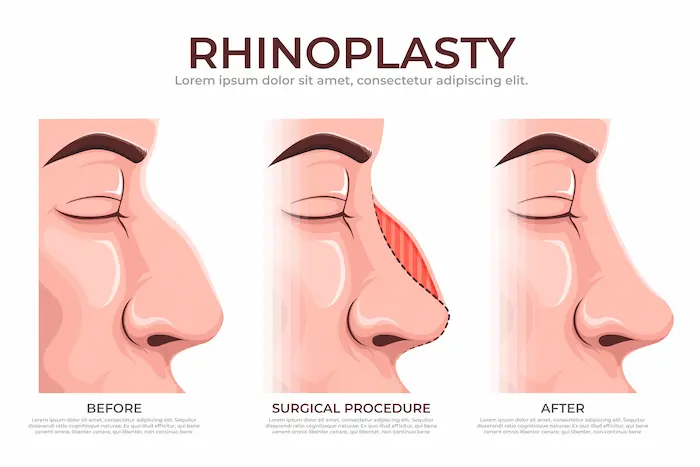
Cosmetic nasal surgery reshapes the nose to improve proportion and symmetry. Patients may seek refinement of the nasal tip, smoothing of a dorsal hump, narrowing of wide nostrils, or correction of asymmetry.
In areas known for high aesthetic standards, such as Beverly Hills, patients often expect natural looking results that complement their unique facial features. Many individuals exploring Rhinoplasty in Beverly Hills are looking for subtle refinement rather than dramatic transformation. The goal is balance, not exaggeration.
When functional issues coexist with cosmetic concerns, combining procedures can address both in a single surgery. This approach reduces overall recovery time and allows for comprehensive correction.
Recovery and Long Term Outcomes
Recovery after nasal surgery varies depending on the complexity of the procedure. Most patients experience swelling and mild discomfort during the first week. External splints are usually removed within seven days, while internal healing continues for several months.
Swelling gradually subsides over time. Final results may take up to a year to fully appear, particularly in the nasal tip. Proper aftercare, including follow up appointments and adherence to postoperative instructions, plays a significant role in long term success.
Patients who undergo reconstructive repair for septal perforation often report improved breathing and reduced nasal irritation. Those who pursue cosmetic refinement frequently notice enhanced facial balance and renewed confidence.
Choosing the Right Specialist
Nasal surgery requires a high level of technical skill and aesthetic judgment. Because the nose performs both functional and cosmetic roles, selecting a surgeon with experience in facial plastic and reconstructive procedures is critical.
Board certification, specialized training, and a strong portfolio of before and after results are key factors to consider. A thorough consultation should include a discussion of medical history, detailed examination, imaging when necessary, and a personalized treatment plan.
Clear communication helps align expectations and ensures that both functional and aesthetic goals are addressed responsibly.
Frequently Asked Questions
What is the difference between septoplasty and septal perforation repair
Septoplasty corrects a deviated septum to improve airflow, while septal perforation repair focuses on closing a hole in the septum. The techniques and surgical goals differ significantly.
Can a septal perforation heal on its own
Small perforations rarely close without intervention. Conservative treatments may control symptoms, but surgical repair is often required for definitive correction.
Is balloon sinuplasty painful
Balloon sinuplasty is generally well tolerated. It is minimally invasive and often performed with local anesthesia or light sedation, resulting in quicker recovery compared to traditional sinus surgery.
How long does swelling last after nasal surgery
Initial swelling improves within a few weeks, but subtle swelling, particularly at the tip of the nose, may take several months to resolve completely.
Am I a candidate for cosmetic nasal surgery if I have breathing problems
Yes. Many patients combine functional correction with cosmetic refinement. A comprehensive evaluation determines whether both concerns can be addressed during the same procedure.
Final Thoughts
Nasal health and facial harmony are closely connected. Conditions such as septal perforation can affect breathing and appearance, requiring thoughtful evaluation and precise correction. Advances in surgical techniques now allow patients to achieve improved function while maintaining natural facial balance.
For individuals considering reconstructive care or aesthetic refinement, careful research and consultation are essential steps. Whether addressing structural concerns or exploring options like Rhinoplasty in Beverly Hills, informed decisions lead to results that enhance comfort, confidence, and overall well being.

 English
 Arabic
 Spanish
 Portuguese
 Deutsch
 Turkish
 Dutch
Dutch
 Italiano
 Russian
 Romaian
 Portuguese (Brazil)
 Greek
Greek