


HPV Test for High-Risk Strains: What It Detects
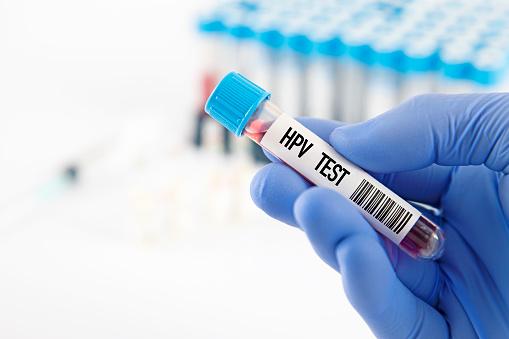
HPV testing plays a critical role in cervical cancer prevention, particularly when it focuses on high-risk strains of the virus. While most HPV infections resolve on their own, persistent infection with certain high-risk types can lead to abnormal cervical cell changes and, if untreated, cervical cancer. Understanding what the HPV Test in Dubai for high-risk strains detects, how it works, and why it matters is essential for informed reproductive health decisions.
What Are High-Risk HPV Strains?
Human papillomavirus (HPV) includes over 100 different types, but only a subset is considered high-risk. Strains such as HPV 16 and HPV 18 are responsible for the majority of cervical cancer cases worldwide. Other high-risk strains can also contribute to precancerous cervical lesions.
High-risk HPV strains are often asymptomatic, meaning individuals may not realize they are infected. This makes screening essential, as early detection can prevent the progression of abnormal cells to invasive cancer.
How the High-Risk HPV Test Works?
The HPV test detects the DNA of high-risk strains in cervical cells collected during a pelvic exam. A healthcare provider uses a soft brush or swab to gather cells from the cervix, which are then analyzed in a laboratory for the presence of viral DNA.
Unlike a Pap smear, which looks for cellular abnormalities, the high-risk HPV test identifies the virus itself. Detecting high-risk HPV before abnormal cells develop allows for early monitoring and intervention, improving the effectiveness of cervical cancer prevention.
What the Test Detects?
The high-risk HPV test specifically identifies DNA from strains associated with a higher likelihood of causing cervical cancer. These include:
HPV 16 and 18, the two most carcinogenic strains
Other high-risk types such as HPV 31, 33, 45, 52, and 58
Persistent infections that have not been cleared by the immune system
By detecting these strains early, healthcare providers can monitor cervical cells more closely and determine whether follow-up testing or procedures such as colposcopy are needed.
Why Testing for High-Risk Strains Matters?
High-risk HPV infections are the primary cause of cervical cancer, making early detection vital. A negative test for high-risk strains provides reassurance that the risk of cervical cancer is very low.
If high-risk HPV is detected, follow-up testing can determine whether the infection persists or if abnormal cervical cells have developed. Persistent high-risk HPV infections increase the likelihood of precancerous lesions, which, if identified early, can be treated to prevent progression to cancer.
How Results Are Interpreted?
HPV test results fall into two main categories: negative or positive for high-risk strains.
Negative result: No high-risk HPV DNA is detected, indicating a very low risk of developing cervical cancer in the near future. Screening can continue at recommended intervals.
Positive result: High-risk HPV DNA is present. This does not mean cancer is present, but follow-up is necessary to monitor for persistent infection or cervical cell abnormalities.
Some tests also identify specific high-risk strains, such as HPV 16 or 18. Knowing the exact strain can guide more immediate follow-up since these strains carry a higher risk of progression.
The Role of Co-Testing with Pap Smear:
In many screening programs, high-risk HPV testing is combined with a Pap smear, a process known as co-testing. This approach detects both the viral cause and any existing abnormal cervical cells, providing a comprehensive view of cervical health.
Co-testing is particularly useful for individuals aged 30 to 65. A negative result in both tests provides strong reassurance, while a positive HPV result with normal cytology can be monitored with follow-up testing rather than immediate invasive procedures.
Persistent HPV and Follow-Up:
Not all positive high-risk HPV results require immediate treatment. Many infections clear naturally within one to two years. Persistence is the key factor in determining risk. Healthcare providers may recommend:
Repeat HPV testing after 12 months
Pap smear evaluation to check for abnormal cells
Colposcopy for closer examination if persistent infection or abnormal cells are detected
Timely follow-up ensures that any changes in cervical cells are identified early, improving outcomes and preventing cervical cancer.
Lifestyle Factors and Prevention:
While HPV is a common infection, certain factors influence persistence of high-risk strains. Smoking, weakened immune systems, and multiple sexual partners can increase the risk of prolonged infection. Vaccination against high-risk HPV strains can prevent infection with the most carcinogenic types, though regular screening remains essential even after vaccination.
Maintaining healthy habits, reducing risk factors, and adhering to screening guidelines work together to optimize cervical health.
Key Takeaways:
The HPV test for high-risk strains detects DNA from virus types most likely to cause cervical cancer. It does not diagnose cancer but identifies infections that require monitoring.
Early detection of high-risk HPV allows for proactive follow-up and treatment of abnormal cervical cells before they progress. Combined with Pap smears, vaccination, and healthy lifestyle choices, high-risk HPV testing is a cornerstone of cervical cancer prevention.
Final Thoughts:
Understanding what the high-risk HPV Test detects helps individuals appreciate its role in maintaining reproductive health. By identifying persistent infections early, the test enables timely monitoring, reduces the risk of cervical cancer, and supports informed decisions about follow-up care. Regular screening, open communication with healthcare providers, and awareness of personal risk factors ensure that high-risk HPV infections are managed effectively and cervical health is protected.

 English
 Arabic
 French
 Spanish
 Portuguese
 Deutsch
 Turkish
 Dutch
Dutch
 Russian
 Romaian
 Portuguese (Brazil)
 Greek
Greek