


Electrical Installation for Smart Homes: Powering Modern Living Safely
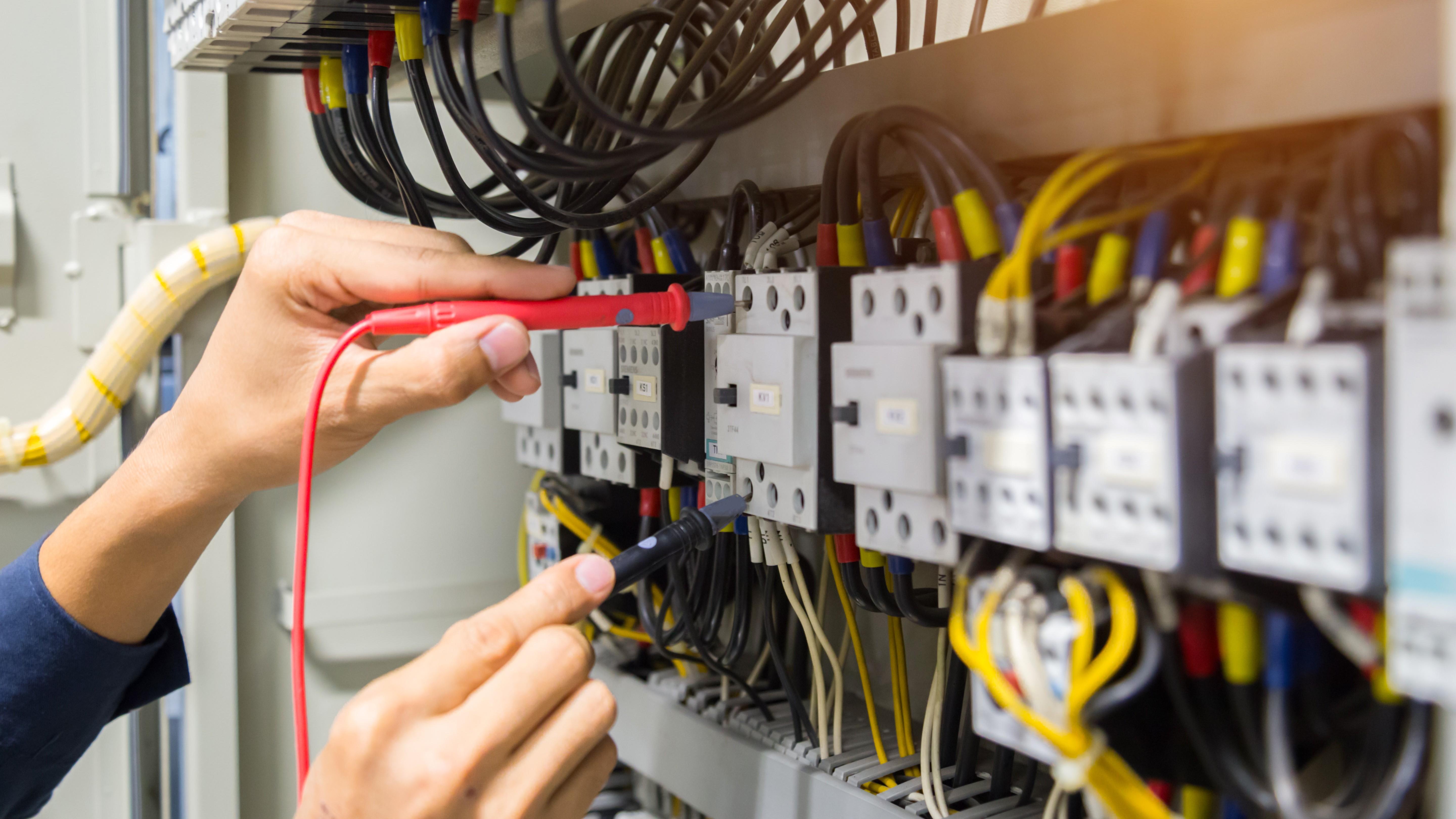
Smart homes are transforming the way people live by integrating advanced technology into everyday environments. From automated lighting systems and smart thermostats to voice-controlled appliances and intelligent security systems, modern homes rely heavily on reliable electrical infrastructure. Electrical installation for smart homes is not just about connecting wires and circuits; it involves strategic planning, energy management, safety compliance, and future-ready system design. A professionally designed electrical system ensures seamless performance, reduces energy consumption, and enhances overall safety.
As homes become increasingly connected, the demand for stable power distribution, proper load balancing, and surge protection continues to grow. Smart home technology depends on uninterrupted power supply and secure wiring to function efficiently. Without proper installation, these advanced systems can experience performance issues, short circuits, or even fire hazards.
Understanding the Foundation of Smart Home Electrical Systems
A smart home requires more than a traditional wiring setup. Modern properties integrate automation hubs, network panels, smart switches, surveillance systems, electric vehicle chargers, and renewable energy sources. Each component requires a stable and well-distributed power supply.
Load Planning and Power Distribution
One of the first steps in smart home electrical installation is load calculation. Professional electricians evaluate total power requirements based on connected devices, appliances, and future expansion plans. Overloaded circuits can lead to overheating, breaker trips, and equipment damage.
Proper distribution boards, circuit breakers, and residual current devices help manage electrical loads efficiently. Dividing circuits according to lighting, HVAC systems, kitchen appliances, and automation equipment prevents system strain and ensures balanced power flow.
Structured Cabling for Smart Connectivity
In addition to electrical wiring, smart homes require structured cabling for communication systems. Network cables, fiber optics, and low-voltage wiring support internet connectivity, surveillance cameras, and home automation controllers. Organized cable routing prevents signal interference and improves system performance.
Installing separate conduits for power and data cables enhances safety and minimizes electromagnetic disruption. A well-planned infrastructure supports reliable connectivity throughout the home.
Safety Measures in Smart Home Electrical Installation
Safety is the most critical factor in any electrical setup. With the increasing number of electronic devices in smart homes, the risk of overload and electrical faults rises significantly. Proper safety measures protect both property and occupants.
Surge Protection and Voltage Regulation
Smart devices are sensitive to voltage fluctuations. Power surges caused by lightning strikes or grid instability can damage expensive equipment. Installing whole-house surge protectors and voltage stabilizers helps maintain consistent power supply and safeguards connected devices.
Backup power solutions such as UPS systems and generators ensure continuity during outages. These systems protect automation hubs and security equipment from unexpected shutdowns.
Grounding and Circuit Protection
Effective grounding systems prevent electric shocks and reduce fire risks. Circuit breakers and residual current devices automatically cut off power during short circuits or leakage currents. This immediate response prevents accidents and equipment damage.
Essential safety components include:
-
Proper earthing systems for electrical panels
-
High-quality circuit breakers with overload protection
-
Fire-resistant cables and insulated wiring
-
Clearly labeled distribution boards
Adhering to electrical safety standards ensures compliance with regulations and reduces long-term risks.
Integration of Smart Technology and Energy Efficiency
Smart homes are designed to enhance convenience while improving energy efficiency. Electrical installation plays a key role in achieving these goals.
Smart Lighting and Automated Controls
Energy-efficient LED lighting combined with smart switches allows homeowners to control brightness, schedule lighting routines, and reduce unnecessary consumption. Motion sensors and occupancy detectors automatically turn lights off when rooms are not in use.
These automation features not only improve comfort but also lower electricity bills. Integrated control panels provide centralized management for lighting, climate control, and entertainment systems.
Renewable Energy Integration
Many modern homes incorporate solar panels and battery storage systems to reduce dependency on the main power grid. Electrical installation must accommodate inverters, energy storage units, and smart meters to monitor power generation and consumption.
Proper system design ensures smooth switching between grid power and renewable sources. Energy monitoring systems provide real-time insights into usage patterns, enabling homeowners to optimize efficiency.
Companies such as sahisecure volt emphasize integrating advanced electrical systems with renewable technology to create sustainable and secure living environments.
Planning for Future Expansion
Technology continues to evolve rapidly, and smart homes must be prepared for future upgrades. Installing additional conduits, spare circuits, and expandable distribution boards allows easy integration of new devices later.
Future-ready installations often include:
-
Dedicated circuits for electric vehicle charging stations
-
Extra network ports for expanding smart systems
-
Space in distribution panels for additional breakers
-
Smart-ready switches and automation-compatible wiring
Planning ahead prevents costly rewiring and ensures long-term adaptability.
Professional Installation vs DIY Approach
While some homeowners attempt DIY electrical projects, smart home installations require specialized expertise. Incorrect wiring, improper grounding, or inadequate load calculation can result in serious hazards. Professional electricians possess the knowledge and tools needed to design and implement safe systems.
Experts conduct detailed inspections, follow building codes, and test all components thoroughly before activation. They also provide guidance on operating smart systems efficiently and safely.
Professional installation ensures:
-
Compliance with electrical standards
-
Proper integration of automation systems
-
Reliable performance and minimal downtime
-
Reduced risk of electrical accidents
Investing in professional services enhances both safety and system longevity.
Maintenance and System Monitoring
After installation, regular maintenance is essential to maintain performance and safety. Over time, wiring connections may loosen, and devices may require updates or replacements. Periodic inspections help identify potential issues before they escalate.
Routine maintenance tasks include:
-
Checking circuit breakers and distribution panels
-
Inspecting cables for wear or damage
-
Testing surge protection devices
-
Updating smart home firmware and software
Smart monitoring systems provide alerts in case of irregular power usage or electrical faults. Early detection minimizes downtime and prevents damage.
Enhancing Lifestyle Through Safe Electrical Infrastructure
A properly installed electrical system forms the backbone of a smart home. It powers security cameras, automated locks, climate control systems, entertainment hubs, and kitchen appliances. Reliable infrastructure ensures these devices function harmoniously without interruptions.
Beyond convenience, smart electrical systems contribute to improved safety. Automated smoke detectors, smart alarms, and surveillance systems depend on stable power connections. An efficient setup enhances protection while maintaining energy efficiency.
Modern electrical installation also supports sustainable living by enabling energy-saving practices and renewable integration. By combining advanced technology with strong safety protocols, homeowners can enjoy a seamless and secure living experience.
Conclusion
Electrical installation for smart homes goes far beyond traditional wiring. It involves strategic load planning, structured cabling, surge protection, grounding systems, renewable integration, and future-proof design. Proper installation ensures reliable power distribution, enhanced safety, and optimal performance of connected devices.
As smart living continues to evolve, investing in professional electrical installation becomes essential for powering modern homes safely and efficiently. A well-designed system not only supports advanced technology but also protects property and occupants for years to come.

 English
 Arabic
 French
 Spanish
 Portuguese
 Deutsch
 Turkish
 Dutch
Dutch
 Italiano
 Russian
 Portuguese (Brazil)
 Greek
Greek