


Imposter Detection A Powerful Shield Against Identity Based Cyber Attacks
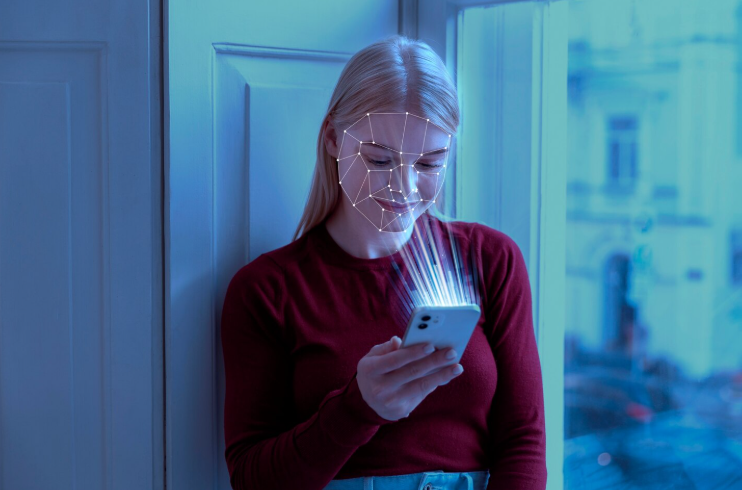
In today’s rapidly evolving digital landscape, cybercriminals no longer rely solely on brute-force attacks. Instead, they disguise themselves as legitimate users to infiltrate systems and steal sensitive data. This growing threat has made Imposter Detection an essential cybersecurity strategy for businesses of all sizes.
From phishing scams to account takeovers, identity-based attacks are becoming more advanced. Organizations must move beyond traditional password protection and adopt intelligent monitoring solutions that detect suspicious behavior in real time. Let’s explore how imposter detection works and why it is critical for modern security frameworks.
What is Imposter Detection?
Imposter Detection is a cybersecurity method designed to identify unauthorized users who pretend to be legitimate employees, clients, or partners. Rather than relying only on login credentials, it analyzes behavioral patterns, access habits, and contextual signals to determine whether a user is genuine.
It typically monitors:
-
Login time and location
-
Device fingerprinting
-
Typing patterns and behavioral biometrics
-
Network activity patterns
-
Privileged access usage
If unusual behavior is detected, the system can trigger alerts, require additional authentication, or block access immediately.
Why Imposter Detection is Critical in Modern Cybersecurity
Cyber threats are becoming more identity-focused. According to industry reports, most data breaches involve compromised credentials. Attackers often use stolen passwords purchased from the dark web to access business systems undetected.
Here’s why imposter detection is vital:
-
Prevents account takeover attacks
-
Reduces insider threat risks
-
Stops unauthorized remote access
-
Protects confidential customer data
-
Minimizes financial and reputational damage
By continuously validating user identity, organizations can close the security gaps that traditional systems leave behind.
How Imposter Detection Works
Imposter detection systems combine artificial intelligence, machine learning, and real-time monitoring to analyze user behavior. Instead of trusting users after login, they continuously verify identity throughout the session.
Key Technologies Used
-
Behavioral Analytics – Learns normal user activity patterns
-
Multi-Factor Authentication (MFA) – Adds extra identity verification layers
-
Risk-Based Authentication – Adjusts security checks based on user risk score
-
Session Monitoring – Detects unusual data access or privilege escalation
-
Anomaly Detection Algorithms – Flags suspicious deviations instantly
For example, if an employee usually logs in from India during office hours but suddenly attempts access from another country at midnight, the system can flag this as suspicious.
Imposter Detection and Zero Trust Security
Modern organizations are adopting advanced security models such as Zero Trust Network Access . This approach operates on the principle of “never trust, always verify.” Every access request must be authenticated and validated continuously.
Imposter detection strengthens this model by:
-
Continuously monitoring user identity
-
Validating access at every step
-
Blocking unauthorized lateral movement
-
Reducing dependency on perimeter-based security
When combined with robust Data Security Software , businesses can ensure sensitive information remains protected—even if credentials are compromised.
Key Benefits of Implementing Imposter Detection
Organizations that invest in imposter detection gain multiple advantages:
-
Enhanced identity verification beyond passwords
-
Real-time threat detection and response
-
Improved compliance with security regulations
-
Reduced risk of data breaches
-
Better visibility into user activity
Additionally, it improves overall cybersecurity posture by identifying vulnerabilities in user access management systems.
Best Practices for Effective Imposter Detection
To maximize results, organizations should follow these best practices:
-
Implement layered security controls
-
Use strong authentication methods
-
Regularly update security policies
-
Train employees on phishing awareness
-
Monitor privileged accounts closely
-
Integrate with centralized security dashboards
A proactive approach ensures that potential imposters are identified before they can cause harm.
Conclusion
As cyber threats continue to evolve, businesses must strengthen their identity protection strategies. Imposter Detection is no longer optional—it is a necessity for preventing account takeovers, insider threats, and credential misuse. By combining behavioral analytics, continuous monitoring, and modern security frameworks, organizations can stay one step ahead of cybercriminals.
Protect your organization with intelligent, real-time security solutions today.
Secure Your Business with Advanced Cyber Protection – Visit RemoteDesk Now

 English
 Arabic
 French
 Spanish
 Deutsch
 Turkish
 Dutch
Dutch
 Italiano
 Russian
 Romaian
 Portuguese (Brazil)
 Greek
Greek