


How many sessions are needed for permanent tattoo removal
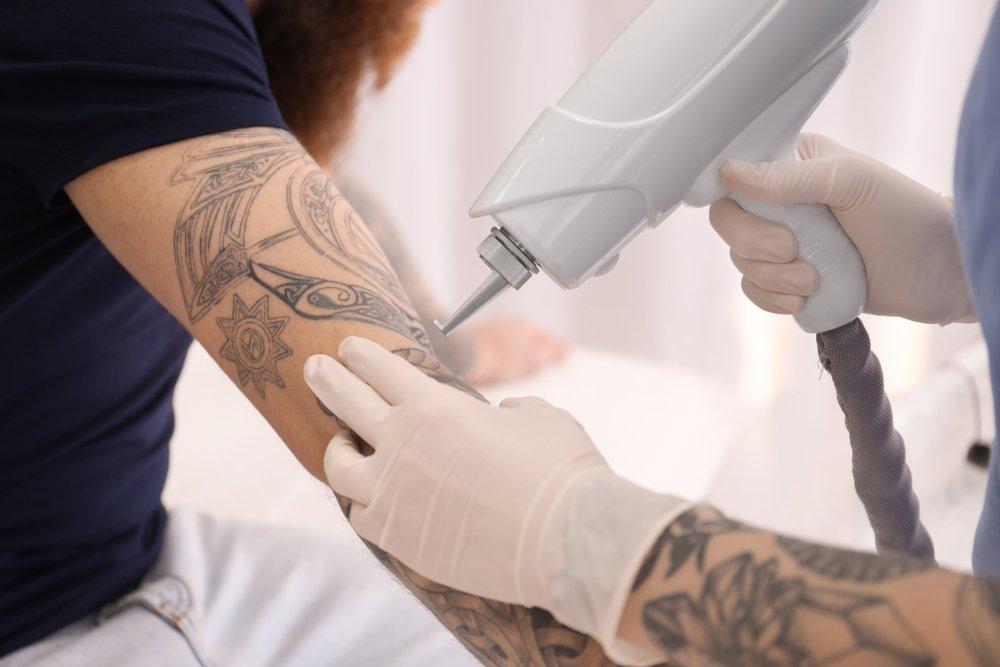
Permanent tattoo removal is a gradual process that requires multiple treatment sessions to achieve significant fading or complete removal. Unlike procedures that deliver instant results, laser tattoo removal depends on both advanced technology and the body’s natural healing mechanisms. The number of sessions needed varies widely from person to person, and understanding the factors involved helps set realistic expectations and reduce frustration during the treatment journey.
Permanent tattoo removal in Riyadh is an effective solution for individuals looking to safely eliminate unwanted ink and restore natural-looking skin.
Why Multiple Sessions Are Necessary
Tattoo ink is deposited deep within the dermis, where it is held in place by immune cells. Laser treatment works by breaking ink particles into smaller fragments, but it does not remove them instantly. After each session, the immune system needs time to gradually clear these fragments from the body. Treating too frequently or too aggressively can damage the skin, so sessions are spaced several weeks apart to allow proper healing and ink clearance.
Each laser session only affects a portion of the ink. As the tattoo fades, the remaining particles become smaller and more dispersed, which can make them harder to target. This is why later sessions often focus on fine-tuning rather than dramatic fading.
Average Number of Sessions Required
On average, most people need between 6 and 12 laser sessions for noticeable and long-lasting tattoo removal. Some small or lightly inked tattoos may fade significantly in as few as 4 sessions, while large, dense, or multi-colored tattoos may require 15 or more sessions. Complete removal is not guaranteed in all cases, but substantial fading is common when the treatment plan is followed properly.
Tattoo Color and Ink Density
Ink color is one of the most important factors influencing the number of sessions. Black ink absorbs laser energy effectively and typically fades faster than other colors, often requiring fewer sessions. Dark blue and dark green inks also respond well, though they may take slightly longer. Lighter colors such as yellow, white, and pastel shades are more resistant and often need additional treatments to achieve visible fading.
Ink density also plays a role. Professional tattoos usually require more sessions than amateur ones because the ink is placed deeper and more evenly into the skin. Tattoos with heavy shading or thick outlines may also need extra sessions.
Tattoo Age and Depth
Older tattoos generally require fewer sessions than newer ones. Over time, the body naturally breaks down some of the ink particles, making them easier for the laser to target. New tattoos, on the other hand, contain fresh, concentrated pigment that is more stubborn and may require more treatments.
Ink depth matters as well. Tattoos placed deeper in the dermis take longer to fade because the laser energy has to penetrate further to reach the pigment. Variations in depth within the same tattoo can result in uneven fading, which may extend the total number of sessions.
Skin Tone and Skin Type
Skin tone influences how aggressively laser settings can be used. Lighter skin tones can often tolerate higher laser energy levels, which may reduce the number of sessions needed. Darker skin tones require more conservative settings to avoid pigmentation changes, which can increase the total number of sessions but improves safety.
Skin health and healing ability also affect results. Healthy, well-hydrated skin tends to respond better to treatment and recover more efficiently between sessions.
Immune System Response
The immune system plays a crucial role in tattoo removal. After the laser breaks down the ink, immune cells transport the fragments away from the treated area. People with strong immune responses may see faster fading and require fewer sessions. Lifestyle factors such as smoking, poor circulation, and chronic stress can slow immune clearance and extend the treatment timeline.
Treatment Spacing and Consistency
Sessions are typically spaced 6 to 8 weeks apart, though some practitioners recommend longer intervals for stubborn tattoos. Allowing adequate time between sessions gives the body a chance to eliminate ink fragments fully. Rushing treatments does not speed up results and may increase the risk of side effects.
Consistency is important. Skipping sessions or taking long breaks can slow overall progress, while regular, well-timed treatments help achieve steady fading.
Can Tattoos Be Fully Removed?
In many cases, tattoos can be almost completely removed with enough sessions. However, complete disappearance is not guaranteed for all tattoos, especially those with resistant colors or certain ink compositions. Some individuals may choose to stop treatment once the tattoo is faded enough to be unnoticeable or suitable for a cover-up.

 English
 Arabic
 French
 Spanish
 Portuguese
 Deutsch
 Dutch
Dutch
 Italiano
 Russian
 Romaian
 Portuguese (Brazil)
 Greek
Greek