


Understanding Skilled Nursing Care at Home: Services, Benefits, and What to Expect
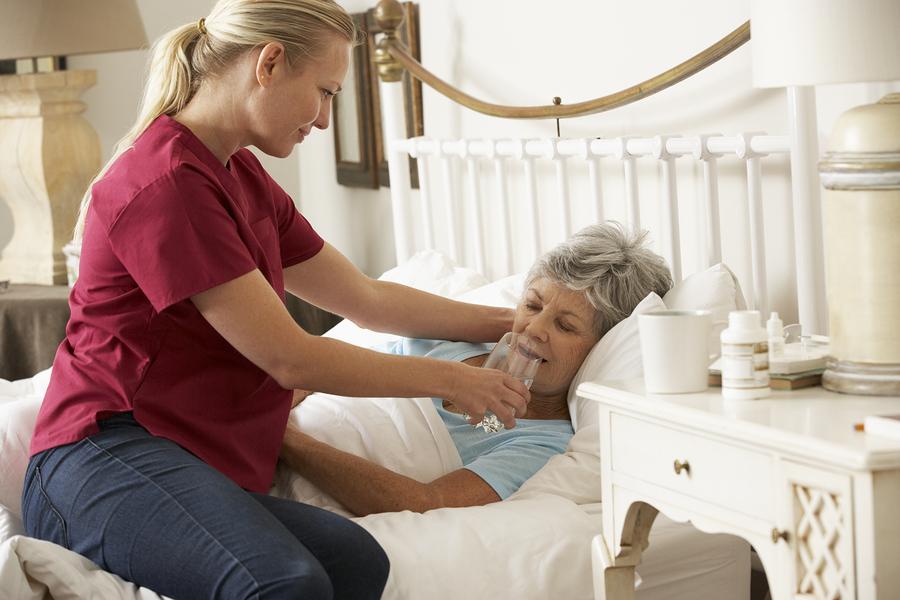
When a loved one is discharged from the hospital, families often feel relief mixed with anxiety. The hospital stay is over, but recovery is just beginning. This is where skilled nursing care at home becomes a critical part of the healing process. Instead of extending a hospital stay or moving into a facility, patients can receive professional medical support in their own living room.
Across the United States, demand for in skilled nursing care at home continues to grow. According to the National Association for Home Care and Hospice, more than 5 million Americans receive home health services each year. Many of them require clinical oversight that goes beyond basic assistance. Understanding how this type of care works helps families avoid confusion and make confident decisions.
The Problem: Hospital Discharge Does Not Mean Full Recovery
Many patients leave the hospital while still managing wounds, medications, or mobility challenges. Discharge often happens quickly due to insurance limits or hospital capacity. Families are handed paperwork, prescriptions, and follow-up instructions, then expected to manage complex medical needs on their own.
This gap between hospital and full recovery creates stress. The Centers for Medicare & Medicaid Services reports that nearly one in five Medicare patients is readmitted within 30 days. A major cause is poor follow-up and medication mismanagement. Without structured support, small issues can turn into major setbacks.
I have seen families struggle with this transition. A friend’s father returned home after heart surgery with a long list of medications and strict monitoring instructions. Within days, confusion over dosage schedules created problems. Situations like this show why skilled nursing care at home is not a luxury but often a necessity.
The Agitation: Risks of Going Without Professional Oversight
Trying to handle medical care alone increases physical and financial risks. A minor wound can become infected if not monitored properly. Blood sugar levels can swing dangerously without consistent tracking. Missed therapy sessions can delay recovery and reduce independence.
Financial pressure builds when preventable complications lead to readmissions. Hospital stays are expensive, and even insured patients face deductibles and co-pays. The Kaiser Family Foundation reports that the average cost of a three-day hospital stay in the United States can exceed $30,000 before insurance adjustments. Avoiding even one readmission can protect both health and savings.
Speech and communication challenges are another overlooked risk. After a stroke, many adults struggle to speak clearly or swallow safely. Without speech therapy at home for adults, progress can stall. Traveling to outpatient clinics may not be realistic during early recovery, which makes in-home services a practical solution.
What Services Are Included in Skilled Nursing Care at Home
Professional home nursing focuses on medical needs that require licensed staff. Registered nurses and licensed practical nurses deliver services based on a physician’s care plan. These services often include medication management, wound care, injections, IV therapy, and chronic disease monitoring.
Skilled nursing care at home also supports patients with conditions such as heart failure, diabetes, and COPD. Nurses track vital signs, educate families, and coordinate with physicians. This communication reduces confusion and ensures that treatment plans remain consistent.
Rehabilitation services are often integrated into care plans. Physical therapy helps patients regain strength and mobility after surgery or injury. Occupational therapy focuses on daily tasks such as dressing and bathing. Speech therapy at home for adults addresses communication issues and swallowing disorders, especially after neurological events. These combined services create a comprehensive recovery system.
Benefits of Receiving Care at Home
One major advantage of receiving medical services at home is comfort. Patients heal in familiar surroundings, which can reduce anxiety and promote cooperation with treatment. Studies published in the Journal of the American Geriatrics Society show that home-based care programs can lower mortality rates compared to institutional settings.
Another benefit is personalized attention. Nurses typically see fewer patients per day than hospital staff, allowing for focused assessments. Families also gain direct access to professionals who can answer questions in real time. This level of communication often improves adherence to treatment plans.
Cost efficiency is another factor. While not free, skilled nursing care at home is generally less expensive than extended hospital or facility stays. Medicare covers intermittent skilled services when medically necessary, which reduces out-of-pocket expenses for eligible patients.
What to Expect During the First Visit
The first home visit usually begins with a detailed assessment. A nurse reviews hospital discharge instructions, medications, and current symptoms. Vital signs are recorded, and potential risks are identified. This visit sets the foundation for the care plan moving forward.
Families should expect clear communication about goals and visit frequency. The nurse explains what will be monitored and how progress will be measured. If therapy services are required, appointments are scheduled and coordinated with other providers.
For patients requiring speech therapy at home for adults, the speech-language pathologist evaluates communication skills, memory, and swallowing ability. Therapy plans may include structured exercises, communication tools, and family education. This approach helps prevent frustration and supports steady improvement.
Real-World Case Studies from the United States
In Texas, a large hospital network implemented a transitional care program that expanded home nursing visits after discharge. Within one year, readmissions dropped by nearly 15 percent. The program showed how coordinated skilled nursing care at home can directly impact hospital metrics and patient satisfaction.
In Ohio, a regional healthcare provider integrated speech therapy at home for adults into post-stroke recovery programs. Patients who received consistent in-home sessions regained functional communication faster than those attending outpatient clinics alone. Reduced travel stress played a major role in adherence.
Closer to home, many community health systems report similar results. Patients managing chronic heart failure often benefit from weekly monitoring visits. Nurses adjust care plans in collaboration with cardiologists, reducing emergency room visits and stabilizing symptoms.
Costs, Insurance, and Planning Ahead
Understanding payment options is essential. Medicare typically covers intermittent skilled services if a patient is homebound and under a physician’s care. Medicaid programs vary by state but often support long-term services for eligible individuals. Private insurance policies differ, so reviewing coverage details early prevents confusion.
Families should request written documentation of approved services. Clarify how many visits are authorized and whether co-pays apply. Transparent billing helps avoid surprises. In my experience, proactive conversations with insurance representatives save time and reduce stress later.
If coverage ends but needs continue, families may explore private-pay options or community assistance programs. Planning ahead ensures continuity of care rather than sudden gaps in support.
How to Choose the Right Provider
Selecting the right agency requires research. Confirm that the provider is Medicare-certified and licensed in your state. Ask about staff credentials, emergency response procedures, and communication protocols. Reliable agencies provide clear explanations and documented care plans.
It is also helpful to read reviews and consult hospital discharge planners. Strong coordination between hospital teams and home nurses improves outcomes. Families should feel comfortable asking detailed questions about qualifications and experience.
When evaluating options, consider how skilled nursing care at home will fit into daily routines. Consistency in scheduling and staff assignments builds trust. A dependable provider becomes a partner in recovery rather than just a service.
Conclusion
Navigating recovery after illness or surgery can feel overwhelming, but structured medical support at home changes that experience. Skilled nursing care at home bridges the gap between hospital discharge and full independence. It reduces readmissions, supports chronic condition management, and provides families with expert guidance.
By understanding included services, verifying insurance coverage, and choosing a certified provider, families can move forward with confidence. Whether managing medications, monitoring wounds, or arranging speech therapy at home for adults, the goal remains the same: safe recovery in a familiar space. When planned carefully, skilled nursing care at home offers stability, dignity, and a clear path toward better health.

 Arabic
 French
 Spanish
 Portuguese
 Deutsch
 Turkish
 Dutch
Dutch
 Italiano
 Russian
 Romaian
 Portuguese (Brazil)
 Greek
Greek