


The Role of Supporting Articles in Ranking Pillar Pages
Explore The Role of Supporting Articles in Ranking Pillar Pages
In modern SEO, ranking a single long page is rarely enough to compete in crowded search results. Search engines have become far better at understanding topical depth, content relationships, and user intent. This is where supporting articles play a critical role in helping pillar pages gain visibility, authority, and long term stability in rankings. When done correctly, supporting content does not dilute value. Instead, it strengthens the entire topic ecosystem around a core pillar page.
A pillar page is designed to cover a broad topic comprehensively, but it cannot realistically address every subtopic in full detail without becoming overwhelming for users. Supporting articles fill this gap. They expand on individual aspects of the main topic, provide deeper explanations, and help search engines see your website as a reliable source of expertise rather than a collection of disconnected pages.
Understanding the pillar and supporting content relationship
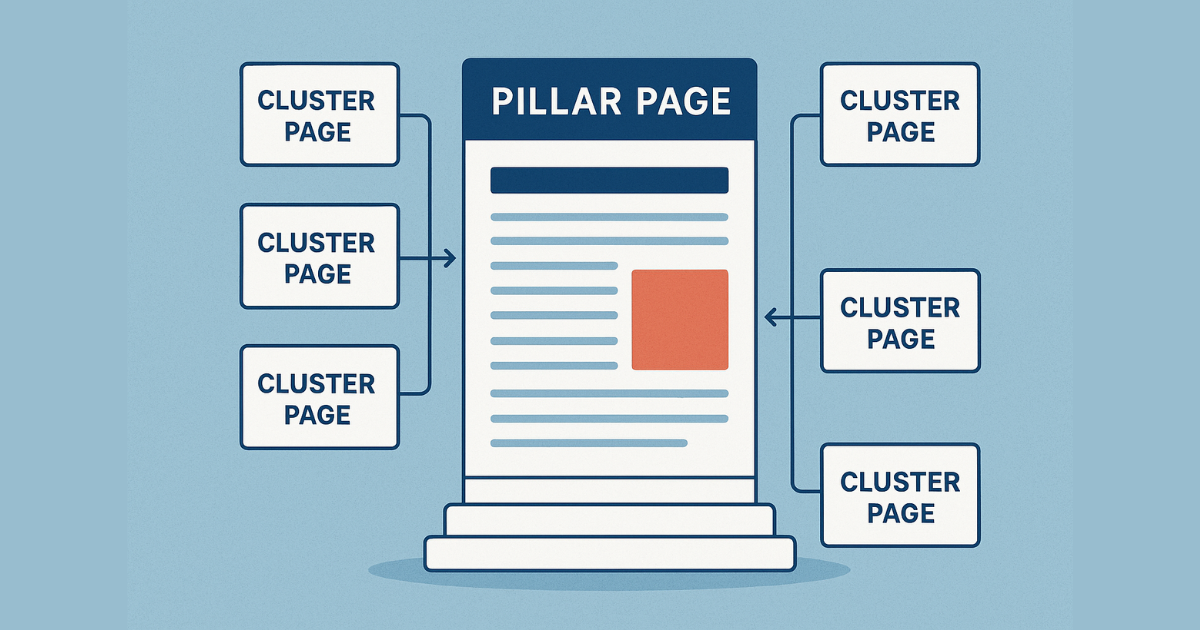
At its core, a pillar page acts as the central reference point for a topic. Supporting articles branch out from it, each focusing on a specific question, problem, or subtheme that users actively search for. This relationship is not just structural. It reflects how real users explore information. Most people start with a broad query and then narrow down as they seek clarity. A well built content structure mirrors this natural behavior.
Supporting articles link back to the pillar page and, in many cases, to each other where contextually relevant. This internal linking creates a clear signal that these pages are related and collectively cover a topic in depth. Over time, this helps search engines understand which page should rank for broader queries and which pages should rank for more specific searches.
Why search engines reward supporting articles
Search engines aim to deliver the most helpful and complete answers to users. When a pillar page is surrounded by well written supporting articles, it sends a strong quality signal. It shows that the website has invested effort into covering the topic thoroughly rather than publishing a single surface level page.
From a crawling and indexing perspective, supporting articles also help distribute internal link equity more efficiently. When multiple pages link back to a pillar page with relevant context, it reinforces the importance of that pillar without relying on artificial signals. This natural reinforcement aligns well with how modern algorithms evaluate relevance and authority.
Platforms like Google increasingly rely on semantic understanding rather than exact keyword repetition. Supporting articles provide the semantic breadth that algorithms use to assess topical authority. They introduce related terms, concepts, and use cases that help search engines form a complete picture of what your pillar page represents.
Improving user experience through content depth
Beyond rankings, supporting articles significantly improve user experience. A pillar page that tries to answer everything often becomes too long or too shallow. Users may feel lost or overwhelmed. Supporting articles solve this by allowing the pillar page to remain structured and approachable while offering clear paths for deeper learning.
When users click through to supporting content, they spend more time on your site, explore related topics, and develop trust in your expertise. These engagement signals indirectly support ranking performance by showing that users find the content genuinely useful. More importantly, they build credibility with real readers, not just algorithms.
How supporting articles strengthen topical authority
Topical authority is not built overnight. It develops when a website consistently publishes accurate, relevant, and interconnected content around a subject. Supporting articles are the foundation of this process. Each article adds another layer of relevance and demonstrates subject matter understanding.
For example, instead of publishing multiple unrelated posts, a focused cluster around one pillar topic creates clarity. Search engines can clearly identify what your site is known for. Over time, this clarity leads to stronger rankings not just for the pillar page but also for the supporting articles themselves.
This approach aligns closely with EEAT principles. Experience is shown through practical insights in supporting articles. Expertise is reflected in how deeply each subtopic is addressed. Authoritativeness grows as content earns visibility and references. Trust develops when users consistently find accurate and helpful information across related pages.
Internal linking as a ranking signal
Internal linking is often misunderstood as a technical task, but in reality, it is a content strategy decision. Supporting articles naturally create opportunities for meaningful internal links. These links help search engines navigate your site and understand page hierarchy.
When supporting articles link back to the pillar page using contextually relevant language, it reinforces the pillar’s role as the main resource. At the same time, links from the pillar page to supporting articles guide users toward more detailed answers. This two way relationship strengthens both discoverability and usability.
The key is intent based linking rather than forced optimization. Links should exist because they help the reader, not because they satisfy a checklist. When internal links feel natural, they also tend to perform better from an SEO perspective.
Supporting articles and long tail search visibility
One of the most practical benefits of supporting articles is their ability to capture long tail searches. Pillar pages usually target broader, competitive queries. Supporting articles target specific questions, variations, and niche concerns that users search for in everyday language.
These long tail queries may have lower individual search volume, but collectively they drive significant traffic. More importantly, they attract users who are often further along in their decision making or learning journey. When these users land on supporting articles and then move to the pillar page, it strengthens the overall content ecosystem.
Over time, this flow of traffic helps the pillar page gain relevance signals across a wide range of related searches. This is one reason why pages supported by strong content clusters often outperform standalone pages, even when the standalone page is well written.
Maintaining content consistency and freshness
Supporting articles also make it easier to keep content updated. Instead of rewriting a massive pillar page every time something changes, updates can be made to individual supporting articles. This keeps information accurate without disrupting the structure of the main page.
Search engines favor content that remains current and well maintained. Regular updates to supporting articles send freshness signals while preserving the long term value of the pillar page. This balance is difficult to achieve with isolated content but becomes manageable within a structured cluster.
A personal perspective on sustainable rankings
From experience, some of the most stable rankings come from pages that are not treated as one time assets. Pillar pages supported by thoughtful articles tend to recover faster from algorithm updates and maintain visibility even in competitive spaces. This is because they are built around genuine usefulness rather than short term tactics.
Supporting articles encourage a mindset shift. Instead of asking how to rank one page, the focus moves to how to serve a topic comprehensively. This approach not only improves SEO performance but also builds long term trust with readers and clients. Businesses that study providers like Best Digital Marketing Agencies in USA often notice that strong agencies rely on structured content ecosystems rather than isolated pages, reinforcing the value of comprehensive topic coverage.
Conclusion
Supporting articles are not optional additions to a pillar page strategy. They are essential components that enhance relevance, authority, and usability. By expanding on subtopics, improving internal linking, and aligning with how users search and learn, supporting articles give pillar pages the context they need to rank consistently.
When content is planned as a connected system rather than isolated pieces, rankings become a natural outcome of value creation. In an environment where search engines prioritize depth and trust, supporting articles remain one of the most effective ways to strengthen pillar page performance.
FAQs
What is the main purpose of supporting articles
Supporting articles expand on specific subtopics related to a pillar page. Their purpose is to provide depth, answer detailed user questions, and help search engines understand the full scope of a topic.
How many supporting articles should a pillar page have
There is no fixed number. The right amount depends on topic complexity and user intent. The goal is to cover important subtopics thoroughly without creating redundant or low value content.
Do supporting articles need to link back to the pillar page
Yes, linking back to the pillar page is important. It helps establish content hierarchy and reinforces the pillar page as the main resource for the broader topic.
Can supporting articles rank on their own
Yes, well optimized supporting articles often rank for long tail keywords. This additional visibility strengthens the entire content cluster and supports the pillar page indirectly.
How do supporting articles affect EEAT
Supporting articles demonstrate experience and expertise by addressing topics in detail. When written accurately and consistently, they improve trust and authority across the website.
Is this strategy suitable for small websites
Yes. Even small websites can benefit by focusing on a limited number of topics and building strong supporting content instead of publishing scattered articles.
How often should supporting articles be updated
Supporting articles should be reviewed regularly, especially when information changes. Keeping them updated helps maintain accuracy, relevance, and long term ranking performance.
In modern SEO, ranking a single long page is rarely enough to compete in crowded search results. Search engines have become far better at understanding topical depth, content relationships, and user intent. This is where supporting articles play a critical role in helping pillar pages gain visibility, authority, and long term stability in rankings. When done correctly, supporting content does not dilute value. Instead, it strengthens the entire topic ecosystem around a core pillar page.
A pillar page is designed to cover a broad topic comprehensively, but it cannot realistically address every subtopic in full detail without becoming overwhelming for users. Supporting articles fill this gap. They expand on individual aspects of the main topic, provide deeper explanations, and help search engines see your website as a reliable source of expertise rather than a collection of disconnected pages.
Understanding the pillar and supporting content relationship
At its core, a pillar page acts as the central reference point for a topic. Supporting articles branch out from it, each focusing on a specific question, problem, or subtheme that users actively search for. This relationship is not just structural. It reflects how real users explore information. Most people start with a broad query and then narrow down as they seek clarity. A well built content structure mirrors this natural behavior.
Supporting articles link back to the pillar page and, in many cases, to each other where contextually relevant. This internal linking creates a clear signal that these pages are related and collectively cover a topic in depth. Over time, this helps search engines understand which page should rank for broader queries and which pages should rank for more specific searches.
Why search engines reward supporting articles
Search engines aim to deliver the most helpful and complete answers to users. When a pillar page is surrounded by well written supporting articles, it sends a strong quality signal. It shows that the website has invested effort into covering the topic thoroughly rather than publishing a single surface level page.
From a crawling and indexing perspective, supporting articles also help distribute internal link equity more efficiently. When multiple pages link back to a pillar page with relevant context, it reinforces the importance of that pillar without relying on artificial signals. This natural reinforcement aligns well with how modern algorithms evaluate relevance and authority.
Platforms like Google increasingly rely on semantic understanding rather than exact keyword repetition. Supporting articles provide the semantic breadth that algorithms use to assess topical authority. They introduce related terms, concepts, and use cases that help search engines form a complete picture of what your pillar page represents.
Improving user experience through content depth
Beyond rankings, supporting articles significantly improve user experience. A pillar page that tries to answer everything often becomes too long or too shallow. Users may feel lost or overwhelmed. Supporting articles solve this by allowing the pillar page to remain structured and approachable while offering clear paths for deeper learning.
When users click through to supporting content, they spend more time on your site, explore related topics, and develop trust in your expertise. These engagement signals indirectly support ranking performance by showing that users find the content genuinely useful. More importantly, they build credibility with real readers, not just algorithms.
How supporting articles strengthen topical authority
Topical authority is not built overnight. It develops when a website consistently publishes accurate, relevant, and interconnected content around a subject. Supporting articles are the foundation of this process. Each article adds another layer of relevance and demonstrates subject matter understanding.
For example, instead of publishing multiple unrelated posts, a focused cluster around one pillar topic creates clarity. Search engines can clearly identify what your site is known for. Over time, this clarity leads to stronger rankings not just for the pillar page but also for the supporting articles themselves.
This approach aligns closely with EEAT principles. Experience is shown through practical insights in supporting articles. Expertise is reflected in how deeply each subtopic is addressed. Authoritativeness grows as content earns visibility and references. Trust develops when users consistently find accurate and helpful information across related pages.
Internal linking as a ranking signal
Internal linking is often misunderstood as a technical task, but in reality, it is a content strategy decision. Supporting articles naturally create opportunities for meaningful internal links. These links help search engines navigate your site and understand page hierarchy.
When supporting articles link back to the pillar page using contextually relevant language, it reinforces the pillar’s role as the main resource. At the same time, links from the pillar page to supporting articles guide users toward more detailed answers. This two way relationship strengthens both discoverability and usability.
The key is intent based linking rather than forced optimization. Links should exist because they help the reader, not because they satisfy a checklist. When internal links feel natural, they also tend to perform better from an SEO perspective.
Supporting articles and long tail search visibility
One of the most practical benefits of supporting articles is their ability to capture long tail searches. Pillar pages usually target broader, competitive queries. Supporting articles target specific questions, variations, and niche concerns that users search for in everyday language.
These long tail queries may have lower individual search volume, but collectively they drive significant traffic. More importantly, they attract users who are often further along in their decision making or learning journey. When these users land on supporting articles and then move to the pillar page, it strengthens the overall content ecosystem.
Over time, this flow of traffic helps the pillar page gain relevance signals across a wide range of related searches. This is one reason why pages supported by strong content clusters often outperform standalone pages, even when the standalone page is well written.
Maintaining content consistency and freshness
Supporting articles also make it easier to keep content updated. Instead of rewriting a massive pillar page every time something changes, updates can be made to individual supporting articles. This keeps information accurate without disrupting the structure of the main page.
Search engines favor content that remains current and well maintained. Regular updates to supporting articles send freshness signals while preserving the long term value of the pillar page. This balance is difficult to achieve with isolated content but becomes manageable within a structured cluster.
A personal perspective on sustainable rankings
From experience, some of the most stable rankings come from pages that are not treated as one time assets. Pillar pages supported by thoughtful articles tend to recover faster from algorithm updates and maintain visibility even in competitive spaces. This is because they are built around genuine usefulness rather than short term tactics.
Supporting articles encourage a mindset shift. Instead of asking how to rank one page, the focus moves to how to serve a topic comprehensively. This approach not only improves SEO performance but also builds long term trust with readers and clients. Businesses that study providers like Best Digital Marketing Agencies in USA often notice that strong agencies rely on structured content ecosystems rather than isolated pages, reinforcing the value of comprehensive topic coverage.
Conclusion
Supporting articles are not optional additions to a pillar page strategy. They are essential components that enhance relevance, authority, and usability. By expanding on subtopics, improving internal linking, and aligning with how users search and learn, supporting articles give pillar pages the context they need to rank consistently.
When content is planned as a connected system rather than isolated pieces, rankings become a natural outcome of value creation. In an environment where search engines prioritize depth and trust, supporting articles remain one of the most effective ways to strengthen pillar page performance.
FAQs
What is the main purpose of supporting articles
Supporting articles expand on specific subtopics related to a pillar page. Their purpose is to provide depth, answer detailed user questions, and help search engines understand the full scope of a topic.
How many supporting articles should a pillar page have
There is no fixed number. The right amount depends on topic complexity and user intent. The goal is to cover important subtopics thoroughly without creating redundant or low value content.
Do supporting articles need to link back to the pillar page
Yes, linking back to the pillar page is important. It helps establish content hierarchy and reinforces the pillar page as the main resource for the broader topic.
Can supporting articles rank on their own
Yes, well optimized supporting articles often rank for long tail keywords. This additional visibility strengthens the entire content cluster and supports the pillar page indirectly.
How do supporting articles affect EEAT
Supporting articles demonstrate experience and expertise by addressing topics in detail. When written accurately and consistently, they improve trust and authority across the website.
Is this strategy suitable for small websites
Yes. Even small websites can benefit by focusing on a limited number of topics and building strong supporting content instead of publishing scattered articles.
How often should supporting articles be updated
Supporting articles should be reviewed regularly, especially when information changes. Keeping them updated helps maintain accuracy, relevance, and long term ranking performance.

 English
 Arabic
 French
 Spanish
 Portuguese
 Deutsch
 Turkish
 Dutch
Dutch
 Russian
 Romaian
 Portuguese (Brazil)
 Greek
Greek