


Masonry waterproofing: Everything you need to know about
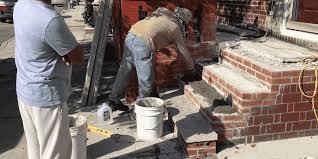
Masonry waterproofing is a key discipline within building waterproofing and encompasses measures aimed at protecting against moisture. If masonry sealing is not done correctly or adequately, it can cause significant damage to the building structure, deterioration of the internal climate, and, ultimately, harm to human health. Furthermore, moisture in brick increases heating expenses because more energy is required in the afflicted areas. Dry masonry is therefore the foundation for optimal energy efficiency and maintaining the value of buildings. Read more about this in our blog and know more about our masonry contractor NYC expertise!
-
Masonry waterproofing is a sub-task of building waterproofing
-
Focus: Protection against moisture
-
Building structure, indoor climate and health can be affected
-
Damp masonry results in increased heating costs.
-
Proper masonry sealing leads to optimal energy efficiency.
What are the reasons for moisture damage?
The reasons for moisture damage may vary. Choose a suitable solution; the source of the moisture must always be determined on a case-by-case basis. The main causes include:
-
Rising damp
-
Moisture is penetrating from the sides
-
Condensation/mold
-
Hygroscopic water absorption
-
Other water damage
Renovation of existing buildings
If existing buildings need to be retrofitted with waterproofing, there are various approaches. Basically, a distinction is made between vertical and horizontal barriers when waterproofing masonry.
The purpose of vertical waterproofing is to prevent the lateral penetration of moisture, for example, from driving rain or accumulating seepage water. Waterproofing can be carried out from both the outside and the inside. If the building structure allows, it is often common practice to expose the basement walls down to the foundation slab and then apply a waterproofing membrane. Bituminous thick coatings are frequently used, but bitumen-free products are also increasingly common. If excavation is not feasible or desired, waterproofing from the inside is also an option, for example, via surface injection. In this method, gel or resin is injected into the brickwork via a grid of boreholes, closing the pores and preventing future moisture entry.
Horizontal sealing is intended to prevent moisture from rising into walls by capillary action. There are several mechanical methods for accomplishing this, but due to their unique needs, they should always be planned and implemented by an expert masonry contractor Queens. These include, among others:
-
Wall sawing method
-
Masonry replacement procedure
-
Pile driving
-
Core drilling process
-
Retrofitting a horizontal barrier (liquid or cream-based injections)
What should be considered when sealing the base of the building?
When we talk about sealing a house foundation, we're talking about creating a protective layer. This can consist of several layers or sealing levels.
When sealing a plinth, it is essential to consider whether the surface to be sealed is exposed brickwork, a plastered facade, or a special external thermal insulation composite system. Modern reactive waterproofing systems meet the high demands for an optimally sealed plinth and offer numerous advantages over conventional bituminous thick coatings or sealing slurries.
Conclusion
With carefully coordinated masonry waterproofing, detailed step-by-step instructions, and additional tips, we support and advise you on your projects – whether small renovations or larger construction projects. Our masonry contractor NYC is always happy to help! If you want to stay informed about concrete or other masonry-related topics, read our blog posts and get the benefits from our service as well.

 English
 French
 Spanish
 Portuguese
 Deutsch
 Turkish
 Dutch
Dutch
 Italiano
 Russian
 Romaian
 Portuguese (Brazil)
 Greek
Greek