


Hair density expectations after transplant in Dammam
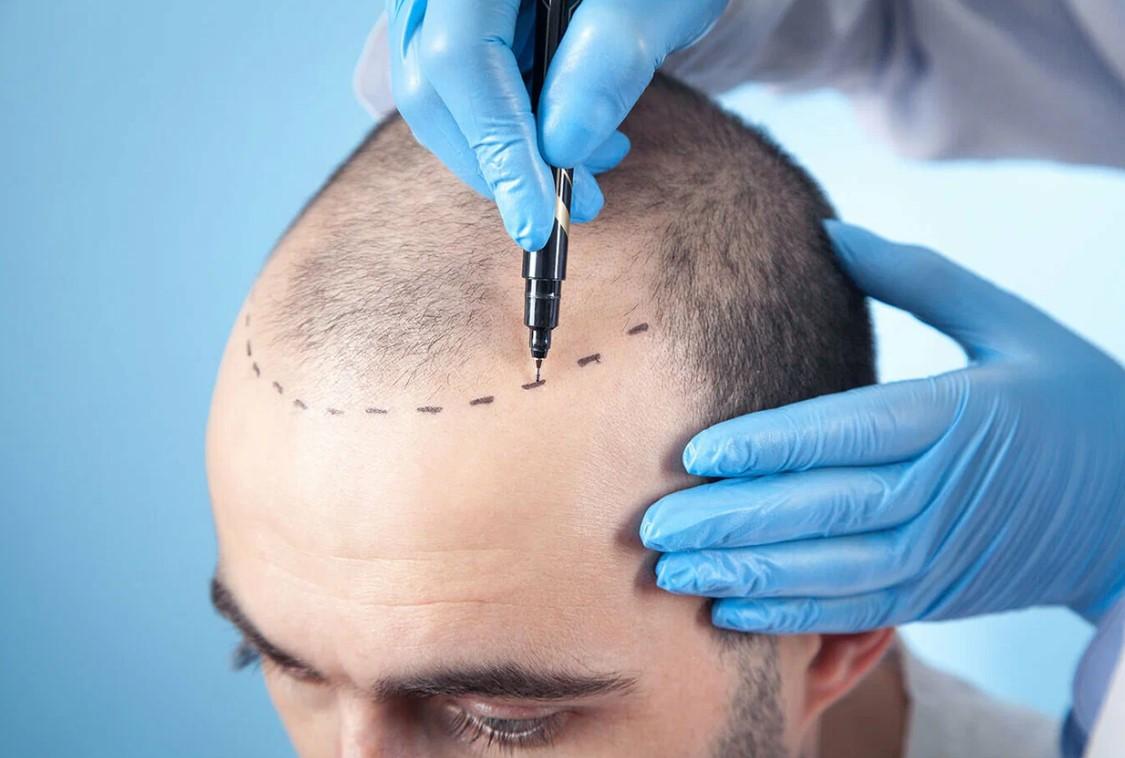
Hair density refers to the number of hair strands per square centimeter of scalp. Natural hair density varies among individuals due to genetics, age, and overall hair health. On average, a healthy scalp has around 80 to 120 follicular units per square centimeter.
Hair transplant in Dammam offers advanced solutions for men and women seeking natural looking and long lasting hair restoration in Dammam.
Hair transplants aim to restore density in areas affected by thinning or baldness, but the density achieved is influenced by several factors:
-
Donor hair availability
-
Technique used (FUE vs. FUT)
-
Surgeon skill and planning
-
Recipient area characteristics
-
Post-operative care
Understanding these factors helps patients in Dammam form realistic expectations for hair volume after a transplant.
Factors Affecting Post-Transplant Density
1. Donor Hair Availability
The donor area, usually the back or sides of the scalp, contains hair follicles resistant to hormonal hair loss. The number and quality of available follicles determine how dense a transplanted area can become. Individuals with thick, healthy donor hair are more likely to achieve higher density, while those with limited donor follicles may require strategic placement to maximize coverage without over-harvesting.
2. Technique Used
The technique chosen plays a significant role in the achievable density:
-
FUE (Follicular Unit Extraction): Individual follicular units are harvested and implanted one by one. This method allows precise placement for natural-looking density but may require more sessions to achieve high density in extensive bald areas.
-
FUT (Follicular Unit Transplantation): A strip of scalp is removed, and follicular units are dissected for implantation. FUT can yield a large number of grafts in one session, potentially achieving higher density in a single procedure, though it leaves a linear scar at the donor site.
Surgeons in Dammam often select the method based on the patient’s hair loss pattern, donor hair quality, and desired density.
3. Area of the Scalp
Density expectations also depend on the recipient area. Hair transplanted to the hairline or frontal region often appears denser with fewer grafts because these hairs frame the face, making visual impact greater. On the crown or vertex, achieving natural-looking density may require a higher number of grafts due to the larger area and natural hair growth patterns.
4. Graft Placement and Distribution
Hair density is not solely about the number of transplanted grafts; placement and angling of the hair follicles are equally important. In Dammam, experienced surgeons carefully plan the direction, angle, and spacing of each graft to mimic natural hair growth. Strategic distribution can make hair appear denser even if absolute follicle numbers are limited.
5. Patient Factors
Individual biology affects post-transplant density:
-
Hair thickness and texture (coarser hair covers more scalp)
-
Color contrast between hair and scalp (darker hair on lighter scalp appears denser)
-
Scalp elasticity and skin condition, which influence graft survival and growth
Patients in Dammam are assessed for these factors during the pre-operative consultation to estimate realistic density outcomes.
Typical Density Expectations
Patients often ask how dense their hair will look after a transplant. On average:
-
FUE procedures can achieve around 30–50 follicular units per square centimeter in a single session, which is sufficient for natural coverage.
-
FUT procedures can allow higher density in a single session, sometimes reaching 50–60 units per square centimeter, especially in smaller areas like the hairline.
It is important to note that full visual density develops gradually. Transplanted hair often sheds within the first few weeks due to “shock loss,” then regrows over several months. Most patients see significant improvements in density after 6–9 months, with full results typically visible around 12 months.
Enhancing Density with Additional Techniques
In Dammam, some clinics offer complementary treatments to enhance hair density:
-
Platelet-Rich Plasma (PRP) Therapy: PRP injections stimulate follicle activity and may improve growth and thickness.
-
Topical treatments: Medications such as minoxidil can support transplanted hair and surrounding existing hair.
-
Multiple sessions: Patients with extensive thinning or higher density goals may benefit from a second transplant session after initial growth has stabilized.
These approaches help patients maximize density and overall hair appearance.
Setting Realistic Expectations
While hair transplants can restore a significant amount of hair and improve aesthetics, patients should remember:
-
Full natural density is rarely replicated in a single procedure for large bald areas.
-
Achieving the appearance of thick, youthful hair may require strategic graft placement rather than sheer numbers.
-
Proper post-operative care, nutrition, and adherence to surgeon instructions are critical for optimal growth and density.
Consulting with an experienced hair transplant surgeon in Dammam ensures that patients receive a realistic estimate of achievable density based on individual factors.
Conclusion
Hair density after a hair transplant in Dammam depends on multiple factors, including donor hair availability, surgical technique, recipient area characteristics, and patient-specific factors like hair texture and scalp condition. While complete natural density may require multiple sessions or complementary treatments, modern procedures provide excellent aesthetic results. With careful planning, professional expertise, and adherence to post-operative care, patients can achieve a fuller, natural-looking hairline and scalp coverage, significantly boosting confidence and quality of life.

 English
 Arabic
 French
 Spanish
 Portuguese
 Deutsch
 Turkish
 Dutch
Dutch
 Italiano
 Russian
 Portuguese (Brazil)
 Greek
Greek