


Cost-effectiveness of hair transplant versus other hair restoration methods
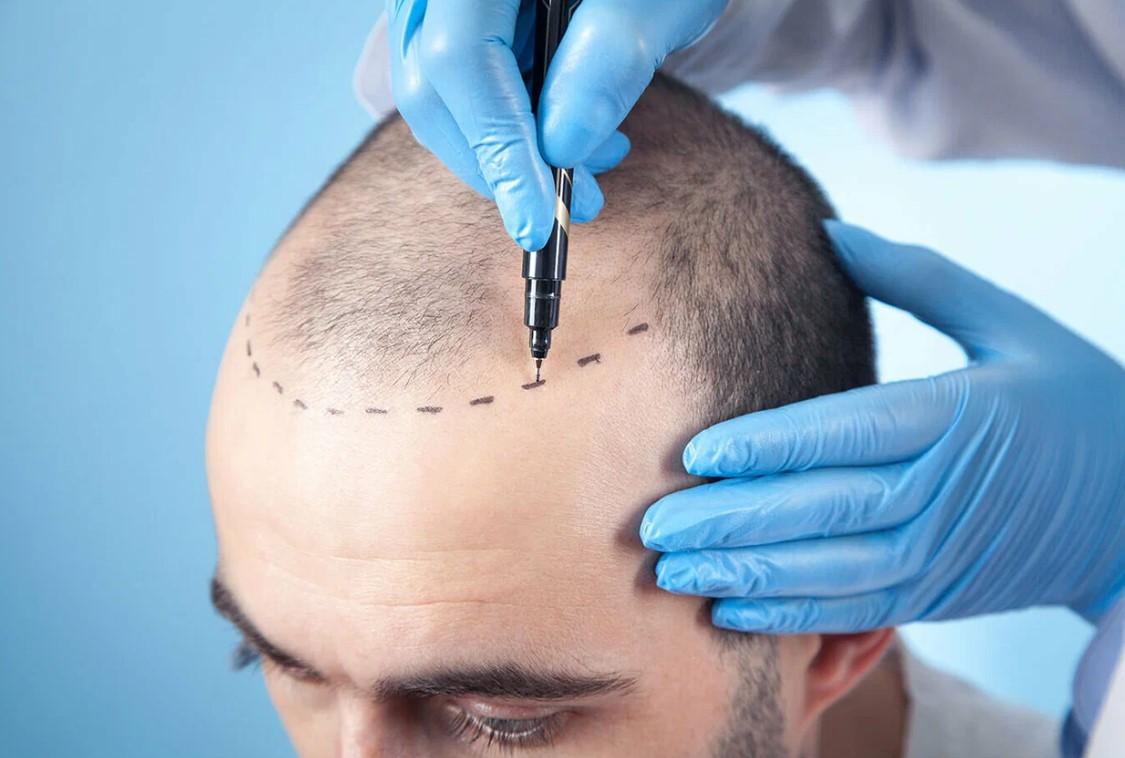
When considering hair restoration, patients often weigh the cost-effectiveness of different methods. Hair loss can have a profound impact on self-confidence, and many people seek solutions ranging from non-surgical treatments to permanent surgical procedures. Among the most common options are hair transplants, medications, topical treatments, and non-surgical solutions like wigs or hairpieces. Evaluating cost-effectiveness requires examining both financial investment and long-term outcomes, including durability, maintenance, and overall results.
Hair transplant cost in Riyadh can vary widely depending on the technique, number of grafts, and individual patient needs.
1. Hair Transplant Surgery
Hair transplant surgery is considered a permanent solution for hair loss, typically using techniques such as FUE (Follicular Unit Extraction) or FUT (Follicular Unit Transplantation).
Costs
-
Hair transplant costs vary depending on graft quantity, technique, surgeon expertise, and clinic location.
-
Large sessions or multiple procedures increase upfront costs, making it a significant financial commitment initially.
Effectiveness
-
Once transplanted, hair follicles are permanent and resistant to the effects of male or female pattern baldness, especially when taken from donor areas.
-
Natural appearance and density are achieved over time, typically within 6–12 months.
Cost-Effectiveness
-
Although initial costs are high, hair transplants are often more cost-effective in the long run because they eliminate the need for ongoing treatments.
-
There are occasional maintenance costs, such as medications to preserve native hair, but the permanent nature of the procedure offsets repeated expenditures.
-
Patients achieve a one-time investment with durable results, which can be more financially sensible over decades.
2. Medications for Hair Loss
Two primary FDA-approved medications are commonly used: finasteride (oral) and minoxidil (topical).
Costs
-
Monthly costs are moderate, typically ranging from $20–$60 depending on brand and dosage.
-
Generic options reduce costs, but long-term usage is mandatory to maintain results.
Effectiveness
-
These medications are effective in slowing hair loss and, in some cases, stimulating new growth.
-
Results are modest compared to a hair transplant and vary significantly between individuals.
-
Hair regrowth is temporary; stopping treatment typically results in loss of newly grown hair within months.
Cost-Effectiveness
-
Medications may appear less expensive initially but become costly over years or decades due to continuous use.
-
Effectiveness is limited for advanced hair loss, so patients with severe baldness may still require a hair transplant eventually.
-
Medications are cost-effective for early or mild hair loss but less so as a permanent solution for extensive thinning.
3. Topical Treatments and Hair Growth Products
Topical solutions, shampoos, serums, and supplements are widely marketed to combat hair loss.
Costs
-
Prices vary from $10 to $100 per month, depending on product type and brand.
-
Patients may try multiple products over time, increasing cumulative cost.
Effectiveness
-
Scientific evidence for these products is generally limited.
-
Some may improve scalp health or temporarily enhance hair thickness, but permanent restoration is rare.
Cost-Effectiveness
-
While low-cost initially, the return on investment is often minimal.
-
Repeated purchase over years without significant results makes these products less cost-effective compared to medical treatments or transplants.
4. Non-Surgical Solutions: Wigs, Hairpieces, and Extensions
Non-surgical options provide immediate results without medical procedures.
Costs
-
Initial cost ranges from $100 to several thousand dollars for high-quality hair systems.
-
Maintenance, replacement, and styling increase long-term expenses.
Effectiveness
-
Provides instant coverage for hair loss.
-
Natural appearance depends on the quality of the wig or hairpiece.
-
Does not address hair loss progression or restore natural growth.
Cost-Effectiveness
-
Short-term cost may be lower than surgery, but ongoing maintenance adds up.
-
Wigs and hairpieces are effective for cosmetic coverage but do not provide permanent restoration.
-
Long-term financial investment can surpass the cost of a single hair transplant over several years.
5. Comparing Long-Term Financial Impact
When evaluating cost-effectiveness, consider short-term vs. long-term costs:
| Method | Upfront Cost | Ongoing Costs | Permanence | Overall Cost-Effectiveness |
|---|---|---|---|---|
| Hair Transplant | High | Low | Permanent | Very high for long-term results |
| Medications | Low to Moderate | High (continuous) | Temporary | Moderate; better for early-stage loss |
| Topical Treatments | Low | Moderate to High | Minimal | Low; results often limited |
| Wigs / Hairpieces | Moderate | Moderate to High | Temporary | Moderate to low; long-term expense accumulates |
Hair transplants provide a one-time investment with lasting results, while medications, topical treatments, or hairpieces require repeated expenditure. For patients with advanced hair loss seeking permanent results, surgery offers the best long-term cost-effectiveness despite high initial pricing.
6. Considerations Beyond Cost
-
Aesthetic Results: Hair transplants provide natural density, while medications and topical solutions often produce subtle changes.
-
Convenience: Surgery involves a short recovery period, whereas wigs require daily wear and maintenance.
-
Psychological Impact: Permanent restoration often enhances confidence and reduces the stress of ongoing hair management.
Patients should weigh both financial and lifestyle implications when choosing a method.
7. Strategic Approach to Cost-Effectiveness
A combination approach may maximize cost-effectiveness:
-
Early-stage hair loss: Start with medications to maintain existing hair.
-
Advanced hair loss: Hair transplant provides permanent restoration.
-
Supplementary care: PRP or topical treatments post-transplant may enhance results and prolong hair retention.
This strategy balances immediate costs, long-term effectiveness, and overall financial investment.
Conclusion
While non-surgical treatments, medications, and wigs can offer temporary or partial solutions, hair transplant surgery stands out for long-term cost-effectiveness. High upfront costs are offset by permanent results, minimal ongoing expenses, and improved confidence. Medications and topical products can be cost-effective for early or mild hair loss but are less efficient for extensive baldness. Wigs and hairpieces provide cosmetic coverage but require ongoing maintenance. Ultimately, assessing cost-effectiveness involves considering initial investment, long-term maintenance, and the desired permanence of results, with hair transplants often emerging as the most financially sensible solution for patients seeking lasting hair restoration.

 English
 French
 Spanish
 Portuguese
 Deutsch
 Turkish
 Dutch
Dutch
 Italiano
 Russian
 Romaian
 Portuguese (Brazil)
 Greek
Greek