


What Patients Should Know Before Choosing Any Aesthetic Treatment
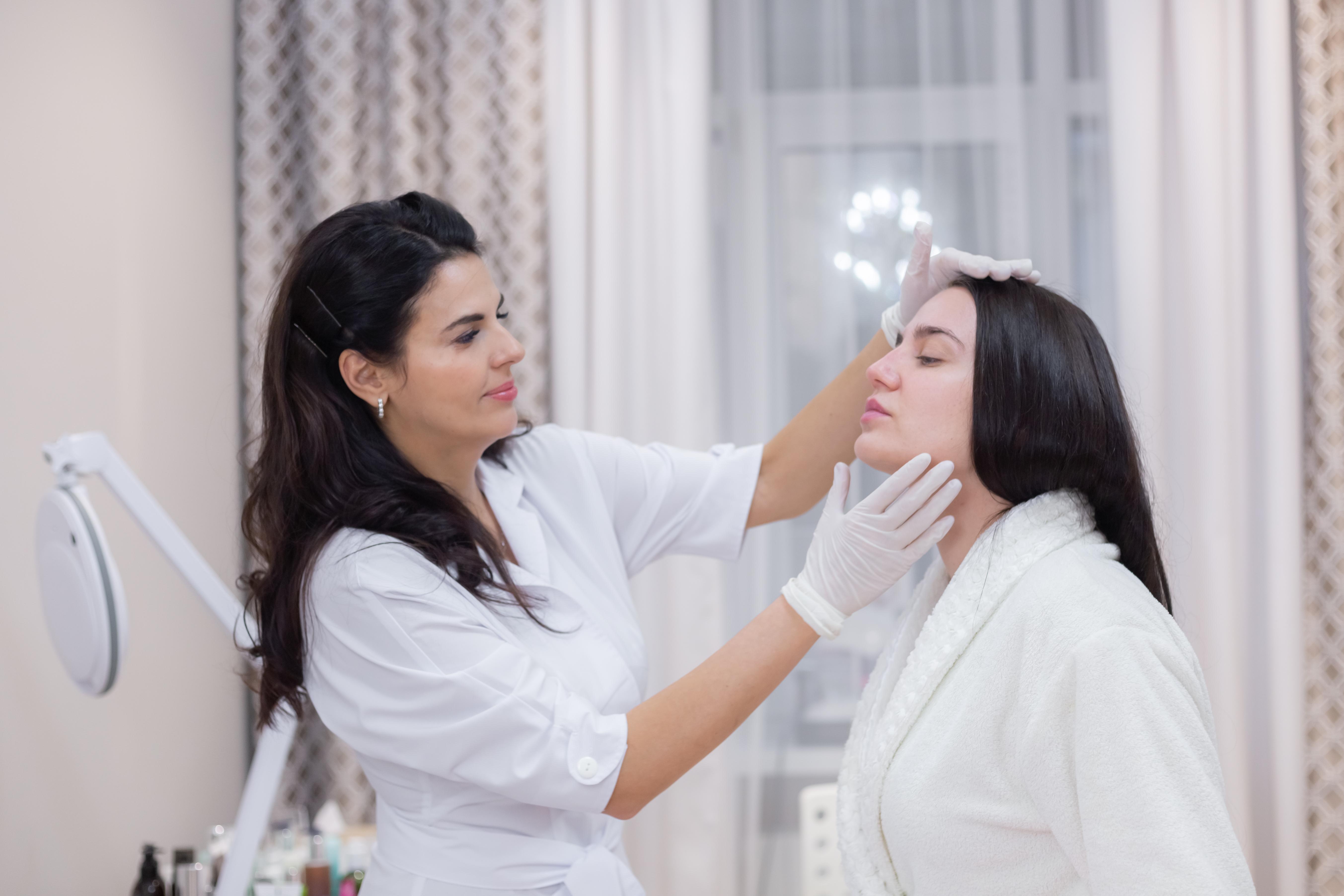
Today’s aesthetic treatment options include everything from injectables and laser procedures to chemical peels, body contouring, and small surgical procedures. Many of these treatments are labeled “minimally invasive,” but they are still medical procedures. If they are done incorrectly or in unsafe conditions, complications can occur.
Worldwide, tens of millions of cosmetic procedures are performed every year, and the numbers continue to grow for both surgical and non-surgical treatments. This rapid growth makes it even more important for patients to make careful, informed decisions. The good news is that satisfaction rates are generally high when treatments are performed by trained professionals in properly regulated clinics.
In most cases, the difference between a good result and a poor one depends on three key factors: having realistic expectations, the expertise of the practitioner, and the safety standards followed by the clinic. In this blog, you will learn how to evaluate aesthetic treatments, choose a safe clinic, ask the right questions, and make a confident decision that prioritizes both results and long-term wellbeing.
Understanding Your Motivations and Expectations
Before you start searching for clinics or deciding on a specific procedure, take time to think about why you want an aesthetic treatment.
Ask yourself:
-
Are you doing this for yourself, or to meet someone else’s expectations?
-
Are you seeking subtle enhancement or a dramatic transformation?
-
Are you hoping the procedure will solve deeper emotional or relationship issues?
Medical specialists emphasize that emotional readiness is just as important as physical suitability. People with unrealistic expectations or conditions such as body dysmorphic disorder often remain dissatisfied even if the procedure itself is technically successful.
A responsible practitioner will talk openly about what can realistically be achieved. They may even advise against treatment if your expectations do not match what is medically possible.
Questions to Ask About Any Procedure
No aesthetic treatment is completely risk-free. Whether you are considering fillers, laser therapy, chemical peels, or thread lifts, there is always some level of risk involved. The goal is not to eliminate risk entirely, but to reduce it as much as possible through proper technique, safe products, and good aftercare.
During your consultation, you should feel comfortable asking detailed questions, such as:
-
What are the common side effects?
-
What rare but serious complications could occur?
-
Is this procedure suitable for my skin type, age, and medical history?
-
What downtime should I expect?
-
What aftercare will I need to follow?
-
What happens if I am unhappy with the result or develop a complication?
Professional guidelines in aesthetic medicine stress the importance of taking a complete medical history, checking for allergies, and assessing psychological readiness before elective procedures.
If a clinic avoids discussing side effects, rushes you into making a payment, or dismisses your concerns, treat this as a warning sign rather than convenience.
How to Evaluate the Right Aesthetic Clinic
Choosing the right aesthetic clinic can be even more important than choosing the treatment itself. A high-quality clinic focuses on safety, personalized care, and honest communication rather than quick sales.
When choosing the right aesthetic clinic, look for the following:
1.) Clear medical leadership
There should be a qualified dermatologist, plastic surgeon, or trained aesthetic physician overseeing treatments.
2.) Proper licensing and registration
The clinic should comply with national or regional healthcare regulations.
3.) Strong hygiene standards
Treatment rooms should be clean. Sterile instruments, gloves, masks, and single-use items should be used where required.
4.) Standard Operating Procedures (SOPs)
A professional clinic follows documented processes for screening patients, performing treatments, managing emergencies, and providing follow-up care.
5.) Transparent communication
Pricing, expected results, risks, and consent should be explained clearly and provided in writing.
Medical guidance documents highlight the importance of aseptic techniques, proper sterilization, and a clean environment to prevent infections and complications. Clinics that follow these standards are usually open about their protocols rather than hiding them.
A simple but effective tip: Pay attention to how the clinic staff interacts with you from the very first call. Do they ask about your medical history and previous treatments, or do they immediately start discussing packages and prices?
Credentials and Training Matter
Even the most advanced equipment cannot guarantee good results if the person performing the procedure is not properly trained. Outcomes depend heavily on the skill and experience of the practitioner.
International and national medical societies recommend that procedures like injectables and laser treatments be performed only by licensed professionals or under their direct supervision.
Before proceeding, check the following:
-
Medical degree and specialty (such as dermatology or plastic surgery)
-
Additional training or certification in aesthetic medicine
-
Membership in recognized professional organizations
-
Evidence of ongoing education and training in new techniques
Patient safety reviews consistently show that many complications occur not because of the procedure itself, but due to poor patient selection, inadequate training, or lack of proper monitoring.
When choosing the right aesthetic clinic, make sure you know exactly who will perform your treatment. Do not rely only on the clinic’s brand name or marketing materials.
Red Flags When Choosing the Right Aesthetic Treatment
Being able to recognise red flags is just as important as understanding benefits. When you are choosing the right aesthetic treatment, be cautious if you notice:
-
Strong pressure to decide immediately, especially with “today only” discounts
-
No proper consultation, just a quick look followed by expensive recommendations
-
Claims of “zero risk,” “no downtime at all,” or “permanent results in one session” for complex issues
-
No discussion of alternative treatments or lifestyle factors
-
Little or no interest in your medical history
-
Lack of emergency equipment or clear plans for managing complications
Ethical guidelines in aesthetic medicine emphasize principles such as patient autonomy, honesty, and “do no harm.” Marketing that contradicts these principles should be treated with caution.
If something feels rushed, exaggerated, or unsafe, it is better to walk away and seek another opinion.
Setting Realistic Goals and Planning Aftercare
Even when you have chosen the right aesthetic clinic and practitioner, results will vary depending on your biology, lifestyle, and adherence to aftercare. Many aesthetic treatments do not produce instant or permanent results. Some require multiple sessions or periodic maintenance to achieve the best outcome.
Before committing, clarify:
-
How many sessions will likely be needed
-
What activities or exposures you should avoid afterward
-
When you can expect to see results
-
How long the results typically last
-
What follow-up care will be provided
Clinical guidance for aesthetic dermatology underlines the importance of structured follow‑up and open channels of communication, such as teleconsultations, for monitoring progress and addressing side effects early.
A clinic that truly cares about patient outcomes will plan this with you in advance rather than leaving you on your own after the procedure.
Make a Confident, Informed Choice
In today’s crowded cosmetic market, the safest approach is to treat any aesthetic treatment as a medical decision, not a quick beauty fix. Marketing can be persuasive, but your health and safety should always come first.
When you focus on choosing the right aesthetic treatment for your specific needs and combine that with choosing the right aesthetic clinic that prioritizes safety and ethics, you significantly improve your chances of a smooth experience and satisfying results.
If you feel listened to, well-informed, and never pressured, you are likely in a clinic that genuinely prioritizes patient wellbeing. If you would like expert guidance tailored to your goals, concerns, and medical profile, consider reaching out to the specialists at Eternelle Aesthetics. They follow a patient-centric approach that focuses on safety, realistic outcomes, and personalized treatment planning to help you achieve natural-looking results with confidence. Book a consultation to discuss your options.
FAQs
1. How much do aesthetic treatments typically cost?
Costs vary widely depending on the procedure, clinic expertise, location, and number of sessions required. Maintenance treatments can also add to long-term expenses.
2. Can aesthetic treatments be combined for better results?
Yes, many practitioners recommend combination treatments such as lasers with injectables or peels. A customized plan often produces more balanced, natural-looking improvements than a single procedure.
3. Are aesthetic treatments safe for all skin tones?
Not always. Some lasers and peels require adjustments for darker skin types to avoid pigmentation issues. Choosing an experienced practitioner is essential for safe outcomes.
4. How do I ensure I am choosing the right aesthetic treatment for my specific concern?
Start with a professional consultation that evaluates your skin type, medical history, goals, and lifestyle. Personalized assessment helps identify treatments that are safe, effective, and realistic for you.
5. What factors matter most when choosing the right aesthetic clinic for safe results?
Look for qualified medical supervision, proper licensing, strong hygiene standards, transparent communication, and documented safety protocols. A reputable clinic prioritizes patient wellbeing over aggressive sales or unrealistic promises.

 English
 Arabic
 French
 Spanish
 Portuguese
 Deutsch
 Turkish
 Dutch
Dutch
 Italiano
 Russian
 Romaian
 Portuguese (Brazil)