


Liposuction vs. Weight Loss: Understanding the Difference
Liposuction vs. Weight Loss: Understanding the Difference
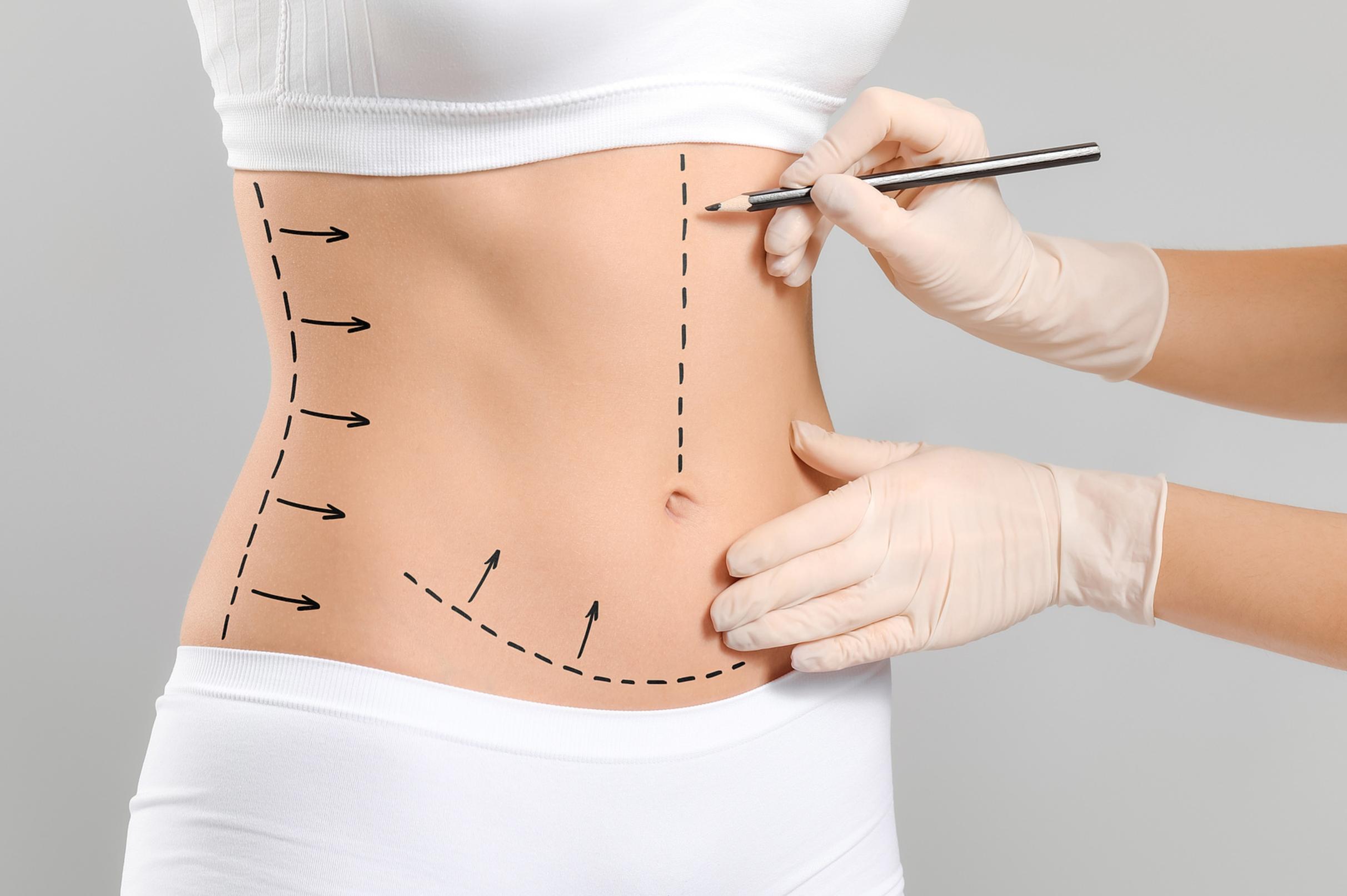
The pursuit of a refined physique often leads to a common crossroad: the choice between traditional lifestyle changes and surgical intervention. Liposuction surgery in Riyadh has become a cornerstone of modern aesthetic medicine, yet it is frequently misunderstood as a shortcut for weight reduction. In 2026, the clinical consensus in Saudi Arabia’s leading medical centers is clearer than ever—liposuction is a tool for "sculpting," while diet and exercise are tools for "scaling." While both paths aim to improve the body’s appearance, they operate on fundamentally different biological levels. Understanding that liposuction targets the number of fat cells in specific zones, whereas weight loss targets the size of fat cells across the entire body, is the first step in aligning your expectations with the reality of your transformation journey.
Fat Cell Biology: Shrinking vs. Removal
To understand the difference, one must look at how the body stores energy. Most adults have a relatively stable number of fat cells; when we "gain weight," those cells simply expand like balloons.
-
The Weight Loss Mechanism: When you maintain a calorie deficit through diet and exercise in Riyadh’s active lifestyle, your body taps into these "balloons" for fuel. The cells shrink in size, but they remain in place. If habits shift, they can easily expand again.
-
The Liposuction Mechanism: This surgical procedure physically removes the "balloons" from the body. Once a fat cell is suctioned out, it does not grow back. This permanently alters the "fat map" of your body, meaning that even if you gain weight in the future, the treated area will remain proportionately slimmer because it has fewer cells available to expand.
Targeted Contouring vs. Global Reduction
Perhaps the most significant difference between the two is the element of control. The human body does not allow for "spot reduction" through natural means, which is where surgical intervention excels.
The Limitation of Natural Weight Loss
You cannot choose where your body burns fat. For many, weight loss may occur first in the face or chest, while the lower abdomen or "love handles" remain stubbornly unchanged. This is largely determined by genetics and hormones, often leading to frustration for those who are otherwise fit but cannot achieve their desired shape.
The Precision of Liposuction
Liposuction surgery in Riyadh is designed to address exactly these "disproportionate" areas. A surgeon can meticulously remove fat from the outer thighs or the chin without affecting the rest of the body. This allows for the creation of a balanced, symmetrical silhouette that diet and exercise alone might never produce, regardless of the intensity of the workout.
Scale Weight vs. Visual Volume
A common misconception is that a successful liposuction procedure will result in a dramatic drop on the bathroom scale. In reality, the most satisfied patients often see very little change in their weight.
-
Fat Density: Fat is remarkably light but takes up a significant amount of space. Removing three liters of fat might only equate to a few kilograms of weight, yet it can result in a dramatic reduction in clothing size and a complete transformation of the body’s profile.
-
Body Composition: Weight loss often involves a loss of both fat and muscle tissue. Liposuction, however, preserves the underlying muscle. In 2026, many patients in Riyadh pair their procedure with a high-protein diet to enhance the visibility of the muscles that were previously hidden by subcutaneous fat.
Ideal Candidates and Timing
Because it is a contouring tool rather than a weight-loss method, timing is critical for optimal results. Riyadh’s specialists generally follow a "30% Rule."
-
Stable Weight: Candidates should be within 30% of their ideal body weight before undergoing surgery. Liposuction is most effective as a "finishing touch" for those who have already achieved a healthy baseline through traditional means.
-
Health Over Convenience: Liposuction does not treat the "visceral fat" that surrounds internal organs—the type associated with heart disease and diabetes. Only traditional weight loss can reduce visceral fat. Liposuction only addresses "subcutaneous fat," the soft layer just beneath the skin.
-
Skin Elasticity: Successful contouring requires the skin to "snap back" over the new, slimmer frame. Those who have lost massive amounts of weight naturally may require skin-tightening procedures alongside liposuction to achieve a smooth finish.
Conclusion
The choice between liposuction and weight loss is not an "either-or" scenario, but rather a partnership. Weight loss provides the healthy foundation, while Liposuction surgery in Riyadh( شفط الدهون في الرياض) provides the architectural refinement. By viewing surgery as a method of permanent shaping rather than a weight-loss alternative, patients can achieve a level of physical harmony that reflects their inner discipline. In 2026, the most successful transformations are those that respect the science of the body while embracing the artistry of modern medicine.
Would you like me to move on to the next title in your series?

 English
 Arabic
 French
 Spanish
 Portuguese
 Deutsch
 Turkish
 Italiano
 Russian
 Romaian
 Portuguese (Brazil)
 Greek
Greek
