


Ensuring Consistency and Quality: FF&E Procurement Strategies for Multi-Property Branded Hotels
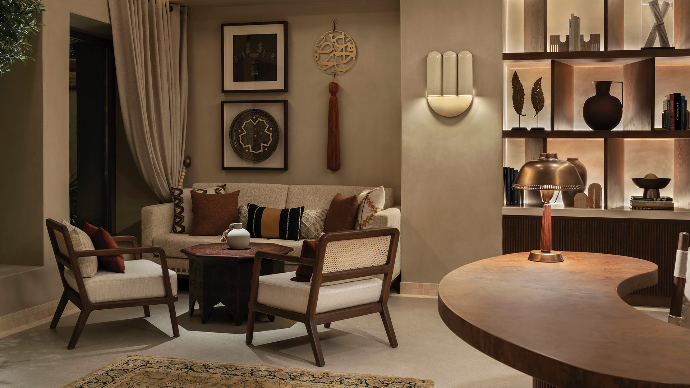
In the hospitality industry, brand consistency is everything. Guests expect the same room layout, furniture quality, and functional standards whether they stay in Chicago, Dallas, or Orlando. That expectation places enormous pressure on ff&e procurement for branded hotels. When multiple properties are developed or renovated at the same time, even small inconsistencies can damage brand reputation and operational efficiency.
Over the past few years, I have seen hotel ownership groups struggle to maintain uniform standards across regional portfolios. Differences in suppliers, fluctuating shipping timelines, and inconsistent quality control often create gaps between design intent and final installation. A disciplined approach to ff&e procurement for branded hotels ensures that every property meets brand standards while staying on schedule and within budget.
The Problem: Inconsistency Across Multi-Property Portfolios
Multi-property owners face a complex operational challenge. According to the American Hotel & Lodging Association, the United States has tens of thousands of branded hotel properties operating under franchise agreements. Each brand maintains detailed design and product specifications that must be followed during renovations or new builds.
Without structured oversight, properties within the same portfolio can end up sourcing from different vendors. While items may appear similar on paper, slight differences in materials or construction quality can lead to inconsistent guest experiences. Over time, these variations increase maintenance costs and reduce brand cohesion.
This issue becomes more complicated when procurement decisions are handled separately by individual property managers. In several projects I have observed, regional teams selected alternative vendors to save short-term costs. The result was mismatched finishes, inconsistent casegoods durability, and increased warranty claims within the first year of operation.
The challenge intensifies when managing ff&e procurement for branded hotels across multiple states. Lead times vary, local regulations differ, and freight logistics shift depending on port access. Without central coordination, projects easily drift away from approved brand standards.
Agitation: Financial and Brand Risks of Poor Coordination
Brand reputation is one of the most valuable assets in hospitality. Companies like Marriott International and Hilton Worldwide invest heavily in maintaining consistent design language across properties. If furnishings fail to meet approved specifications, brand audits can delay openings or require costly replacements.
Construction cost volatility adds further pressure. According to CBRE Group, hotel construction and renovation costs in the U.S. remain elevated compared to pre-2020 levels. When inconsistent purchasing decisions lead to reorders or corrections, budgets expand quickly. That financial strain directly affects return on investment.
I once worked with a midscale hotel portfolio in Texas where three properties ordered seating from different suppliers. Within months, one property reported structural defects while the others did not. The ownership group spent significant funds on replacement and faced guest complaints. This situation could have been avoided with centralized ff&e procurement for branded hotels.
Operational disruption is another hidden cost. If furniture arrives late or fails inspection, opening dates may shift. According to the U.S. Chamber of Commerce, supply chain disruptions have continued to impact American businesses across industries. In hospitality, those delays translate directly into lost room revenue and strained franchise relationships.
The Solution: Centralized Procurement Strategy
To protect consistency and quality, centralized management is essential. A unified procurement strategy ensures that every property follows identical sourcing guidelines, approved vendor lists, and reporting procedures. When ownership groups implement structured ff&e procurement for branded hotels, they reduce the risk of variation across locations.
Centralization allows purchasing teams to negotiate portfolio-wide contracts. Instead of ordering furniture separately for each property, consolidated orders create volume leverage. This approach not only improves pricing but also ensures uniform manufacturing standards. Over time, consistent product selection simplifies maintenance and replacement planning.
Modern hotel ff&e purchasing solutions rely on digital tracking systems. These platforms monitor production schedules, shipment timelines, and quality inspections in real time. With centralized dashboards, ownership groups can compare progress across multiple properties and identify risks before they escalate.
From my experience, centralized oversight does not eliminate flexibility. Instead, it provides a structured framework within which properties can operate. When regional managers request adjustments, those changes pass through a standardized review process that protects brand alignment.
Strengthening Vendor Partnerships for Multi-Property Success
Strong vendor relationships are critical in large portfolios. Reliable suppliers understand brand standards and production expectations. In successful ff&e procurement for branded hotels, long-term vendor partnerships reduce learning curves and improve performance consistency.
Diversified sourcing also strengthens resilience. During the recent shipping congestion in Los Angeles and Long Beach, properties relying on a single overseas manufacturer faced extended delays. Port bottlenecks highlighted the need for balanced domestic and international sourcing strategies.
By leveraging advanced hotel ff&e purchasing solutions, procurement teams can prequalify alternative suppliers while maintaining brand approval. This proactive approach prevents last-minute substitutions that could jeopardize compliance. It also reduces dependency on one region or factory, lowering exposure to geopolitical or freight disruptions.
I have noticed that vendors prioritize clients who offer repeat business across multiple properties. When procurement is coordinated centrally, suppliers often provide priority production slots and more flexible payment terms. That partnership advantage becomes critical when market conditions tighten.
Quality Control and Brand Compliance Systems
Quality assurance is a major pillar of ff&e procurement for branded hotels. Standardized inspection procedures ensure that products meet brand specifications before leaving the factory. Third-party inspections, material testing, and prototype approvals reduce the risk of defective shipments.
Brand compliance reviews are another layer of protection. Franchise agreements often require strict documentation showing adherence to approved materials and finishes. Centralized procurement teams maintain organized records, simplifying final brand inspections before opening.
Digital documentation tools within hotel ff&e purchasing solutions create audit trails for every item purchased. These records support warranty claims and long-term asset management. When a product issue arises, procurement teams can trace the origin quickly and coordinate corrective action.
I believe quality control is where centralized systems deliver the most measurable value. Inconsistent oversight often leads to uneven product durability, which increases replacement cycles and operational costs. Structured procurement reduces those long-term risks.
Case Study: Portfolio Renovation in the Midwest
A regional ownership group operating six branded hotels across Illinois and Indiana launched simultaneous guestroom renovations in 2023. Initially, each property planned to manage purchasing independently. Early estimates revealed pricing discrepancies and inconsistent product specifications.
The group shifted to centralized ff&e procurement for branded hotels mid-planning phase. They consolidated orders, aligned vendor contracts, and implemented shared tracking systems. Within months, procurement timelines synchronized across all properties.
The renovation concluded ahead of revised schedules, and the portfolio reported consistent guest satisfaction scores across locations. Occupancy rates improved during the first quarter post-renovation. The ownership group attributed part of that success to disciplined coordination and standardized procurement practices.
This case reinforced the value of structured hotel ff&e purchasing solutions in maintaining quality and controlling costs. Instead of operating in silos, properties benefited from shared knowledge and purchasing leverage.
Long-Term Portfolio Performance and Asset Value
Consistency in design and durability directly influences long-term asset value. Properties that maintain uniform quality standards often achieve stronger brand loyalty and guest retention. When travelers trust a brand’s reliability, they are more likely to return.
From a financial standpoint, centralized ff&e procurement for branded hotels reduces lifecycle costs. Standardized products simplify maintenance inventories and technician training. Replacement parts are easier to source, and warranty processes are streamlined.
Investors also appreciate predictability. Transparent reporting and consolidated budgeting strengthen confidence in capital planning. As development pipelines continue to expand in markets like Atlanta and Phoenix, disciplined procurement practices position portfolios for sustainable growth.
In my view, the hospitality industry has learned that decentralized purchasing creates avoidable risks. Coordinated systems provide clarity, reduce duplication, and protect both brand standards and financial performance.
Conclusion
Maintaining quality and uniformity across multiple properties is not simple. It requires discipline, communication, and structured oversight at every stage of development. That is why ff&e procurement for branded hotels plays such a vital role in modern hospitality management.
By centralizing vendor coordination, strengthening quality control, and implementing transparent hotel ff&e purchasing solutions, ownership groups can protect brand integrity and improve financial outcomes. Structured ff&e procurement for branded hotels transforms purchasing from a reactive function into a strategic advantage.
As portfolios expand and market competition increases, consistency becomes a defining factor. In my experience, properties that invest in disciplined ff&e procurement for branded hotels are better positioned to open on time, control costs, and deliver reliable guest experiences across every location.

 English
 Arabic
 French
 Spanish
 Portuguese
 Deutsch
 Turkish
 Dutch
Dutch
 Italiano
 Russian
 Portuguese (Brazil)
 Greek
Greek