


The Shedding Phase: Why Your New Beard Hair Falls Out Before Growing
The Shedding Phase: Why Your New Beard Hair Falls Out Before Growing
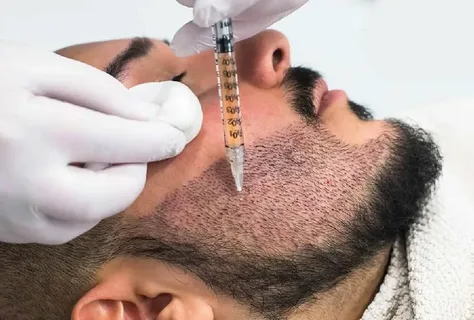
The most psychologically taxing part of a beard hair transplant in Riyadh (زراعة شعر اللحية في الرياض)is not the surgery itself, but the "shock loss" phase that follows. About two to four weeks after your procedure, you will likely notice the very hair you just invested in starting to fall out. For many men in the Saudi capital, this can trigger a moment of panic—a fear that the body is rejecting the grafts or that the procedure has failed. However, in the medical landscape of 2026, specialists view this shedding not as a setback, but as a vital biological "reset." This phase is a sign that the follicles are alive and successfully transitioning into their new environment. Understanding the science of the shedding phase is essential for maintaining peace of mind as you move through the "ugly duckling" stage toward a permanent, dense beard.
The Biology of "Shock Loss"
To understand shedding, you must understand the hair growth cycle, which consists of the Anagen (growth), Catagen (transition), and Telogen (resting) phases.
-
The Survival Reset: The process of extraction and implantation is a form of controlled trauma. In response, the hair follicle enters a protective dormant state known as the Telogen phase.
-
Ejecting the Shaft: When the follicle "rests," it stops supporting the existing hair shaft. The hair falls out, but the root remains securely anchored and alive beneath the skin.
-
The Tree Analogy: Think of a transplanted tree. It often drops its leaves shortly after being moved to new soil. The leaves are gone, but the roots are busy establishing a connection to the earth so that new, stronger leaves can grow in the spring.
The 2026 Shedding Timeline
While every patient heals differently, the shedding phase generally follows a predictable scientific rhythm in Riyadh’s elite clinics:
| Phase | Timing | What is Happening? |
| The "Settling" | Days 1–10 | Grafts become permanent. Scabs fall off. The hair looks like short stubble. |
| The Great Shed | Weeks 2–6 | Shock loss occurs. Between 70% and 90% of transplanted hairs fall out. |
| The Dormancy | Months 2–3 | The "Ugly Duckling" phase. The skin looks bare, but follicles are developing blood vessels. |
| The Emergence | Months 3–4 | New, permanent hairs begin to "pop" through the skin. They are often fine at first. |
Why Some Hairs Don't Shed
Interestingly, about 10–15% of patients in Riyadh find that some of their transplanted hairs skip the shedding phase entirely and keep growing. In 2026, this is often attributed to high-precision DHI (Direct Hair Implantation) or the use of Exosome therapy and PRP (Platelet-Rich Plasma) during surgery. These advanced treatments provide the follicles with a "nutrient boost" that can occasionally bypass the shock response, though shedding remains the standard experience for the vast majority of successful cases.
Managing the "Ugly Duckling" Phase in Riyadh
The period between shedding and regrowth can be socially frustrating. Here is how to handle it:
-
Don't Inspect the Sink: Seeing hairs in the sink during your morning wash is normal. Remind yourself that the follicle (the factory) is still under the skin; only the product (the hair) has fallen out.
-
Avoid Growth Stimulants Early: Unless prescribed, avoid using heavy oils or minoxidil during the first 4 weeks. Let the skin heal naturally from the "shock" before trying to accelerate growth.
-
Sun Protection: In Riyadh’s intense sunlight, the bare skin of the shedding area is highly vulnerable. Use a physical sunblock or stay in the shade to prevent the skin from darkening (hyperpigmentation) before the hair grows back.
Conclusion: The Calm Before the Growth
The shedding phase is the final hurdle in your hair restoration journey. It is a biological necessity—a "resetting of the clock" that prepares your face for a lifetime of healthy, natural growth. By 2026, Riyadh’s specialists have refined the transplant process to ensure that while the hair sheds, the roots remain robust and ready. When you see those first few hairs fall out, take a breath and recognize it for what it is: a sign of success. Your follicles are simply clearing the way for the thicker, stronger, and more permanent beard that will define your profile for years to come.

 English
 Arabic
 French
 Spanish
 Portuguese
 Deutsch
 Turkish
 Italiano
 Russian
 Romaian
 Portuguese (Brazil)
 Greek
Greek