


Hair transplantation for scar or trauma coverage
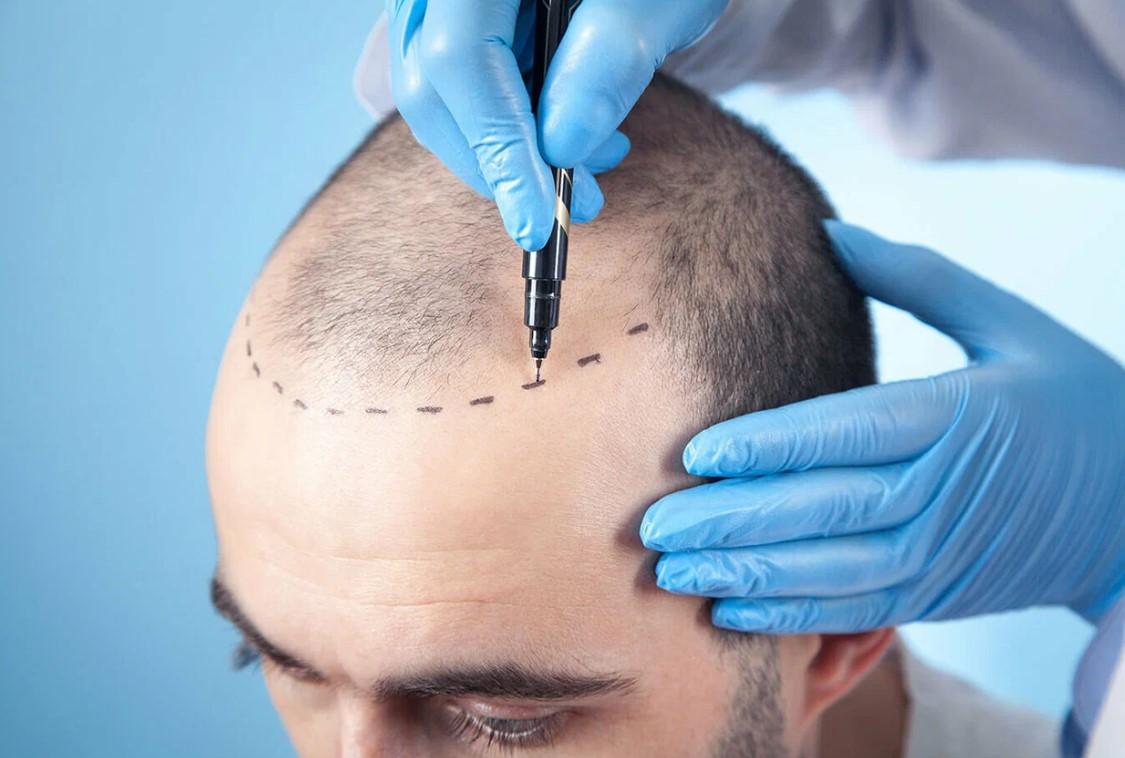
Hair loss resulting from scars or trauma can significantly affect appearance and self-confidence. Unlike pattern hair loss, which is primarily genetic, scar-related baldness occurs when the scalp or surrounding areas are injured, leaving fibrous tissue that prevents natural hair regrowth. Hair transplantation offers a reliable solution for covering these scars or trauma-affected areas, restoring both aesthetic appearance and psychological well-being. Understanding the techniques, considerations, and expected outcomes is essential for anyone considering this type of hair restoration.
If you are experiencing hair loss, exploring hair transplant in Dammam can be an effective way to restore natural hair and confidence.
Causes of Hair Loss Due to Scarring or Trauma
Hair loss from scarring or trauma can occur for several reasons:
-
Surgical Scars: Procedures such as cranial surgeries, facelifts, or scalp surgeries may leave linear or irregular scars without hair.
-
Accidental Injuries: Burns, lacerations, or blunt trauma can destroy hair follicles, leaving bald patches.
-
Medical Conditions: Skin infections, certain dermatological procedures, or autoimmune reactions can cause scarring alopecia, where follicles are permanently destroyed.
Scar tissue differs from normal scalp tissue because it has reduced blood supply and limited elasticity, making hair transplantation more challenging than standard procedures.
Hair Transplant Techniques for Scar Coverage
Several hair transplantation techniques can be used for scar or trauma coverage, but the choice depends on the size, location, and type of scar:
1. Follicular Unit Extraction (FUE)
FUE is often preferred for scar coverage due to its precision and minimal invasiveness. Individual hair follicles are extracted from a donor area, usually the back or sides of the scalp, and transplanted into the scarred area. Advantages of FUE for scars include:
-
Minimal additional scarring in the donor area
-
Ability to place grafts precisely into irregularly shaped scars
-
Faster recovery and less discomfort than strip methods
However, success depends on the vascularity of the scar tissue; well-vascularized scars support graft survival more effectively.
2. Follicular Unit Transplantation (FUT)
FUT can also be used for larger scar areas, especially when many grafts are required. In this method, a strip of scalp is harvested and dissected into individual follicular units. The grafts are then implanted into the scarred region. FUT may be considered when FUE alone cannot provide the desired density due to limited donor hair.
3. Direct Hair Implantation (DHI)
DHI is a variation of FUE in which grafts are implanted directly into the scalp using a specialized implanter. This allows for precise control over the angle, depth, and direction of the transplanted hair, which is particularly important for irregular or highly visible scars. DHI can create a natural appearance even in challenging areas.
Pre-Transplant Considerations
Hair transplantation on scarred or trauma-affected scalp requires careful planning:
-
Assessment of Scar Tissue: Surgeons evaluate the scar’s thickness, elasticity, and blood supply. Dense, fibrotic scars may need additional treatments to improve vascularity before grafting.
-
Test Grafts: In some cases, a small number of test grafts are implanted to assess whether the scar tissue can support follicle survival.
-
Donor Hair Quality: Adequate donor hair density is essential to achieve natural coverage.
-
Timing: Scars should be fully matured, typically 6–12 months after injury or surgery, to ensure stable tissue for transplantation.
Proper assessment minimizes the risk of graft failure and ensures predictable results.
Procedure and Implantation
During the procedure, the surgeon carefully places each graft into the scarred area. Because scar tissue often has reduced blood flow, spacing between grafts may be slightly wider than in non-scarred scalp to enhance survival. The angle and direction of implanted hairs are adjusted to blend with surrounding natural hair, ensuring a seamless and natural appearance.
Additional treatments, such as platelet-rich plasma (PRP) therapy, may be applied to improve blood supply and support graft survival. In some cases, multiple sessions are needed to achieve the desired density, especially for extensive scars.
Recovery and Post-Operative Care
Recovery for hair transplantation in scar areas is similar to standard procedures but requires extra care due to the sensitivity of scar tissue:
-
First week: Mild swelling, redness, or scabbing around grafts may occur. Pain is usually minimal but may last longer in scarred areas.
-
Weeks 2–4: Scabs fall off naturally, and initial shedding of transplanted hair may occur.
-
Months 3–6: New hair begins to grow, gradually thickening and blending with surrounding hair.
-
Months 9–12: Final density and natural appearance are achieved, though additional sessions may be scheduled if needed.
Patients are advised to avoid trauma, excessive sun exposure, and vigorous scratching, as scar tissue is more delicate than normal scalp tissue.
Benefits of Hair Transplantation for Scars
-
Permanent Restoration: Transplanted hair remains viable, providing long-lasting coverage.
-
Natural Appearance: With precise graft placement, scars become virtually unnoticeable.
-
Psychological Impact: Restoring hair in scarred areas improves confidence and self-esteem.
-
Customization: Techniques like FUE and DHI allow for tailored solutions based on scar location and size.
Limitations and Challenges
-
Scar tissue may have reduced blood supply, affecting graft survival
-
Multiple sessions may be required for dense coverage
-
Results depend heavily on surgeon experience and skill
-
Complete camouflage may not be possible in very large or complex scars
Conclusion
Hair transplantation for scar or trauma coverage is a specialized and effective solution for individuals with permanent hair loss caused by injury or surgery. Techniques such as FUE, FUT, and DHI enable precise graft placement, creating natural results even in challenging areas. Proper assessment of scar tissue, careful surgical planning, and diligent post-operative care are critical to achieving optimal outcomes. While challenges such as limited vascularity and multiple sessions exist, hair transplantation can restore appearance, confidence, and quality of life, making it a valuable option for those affected by scars or trauma-related hair loss.

 English
 Arabic
 Spanish
 Portuguese
 Deutsch
 Turkish
 Dutch
Dutch
 Italiano
 Russian
 Romaian
 Portuguese (Brazil)
 Greek
Greek