


Combining Electronic Health Records and Electronic Medical Records with Telehealth Systems
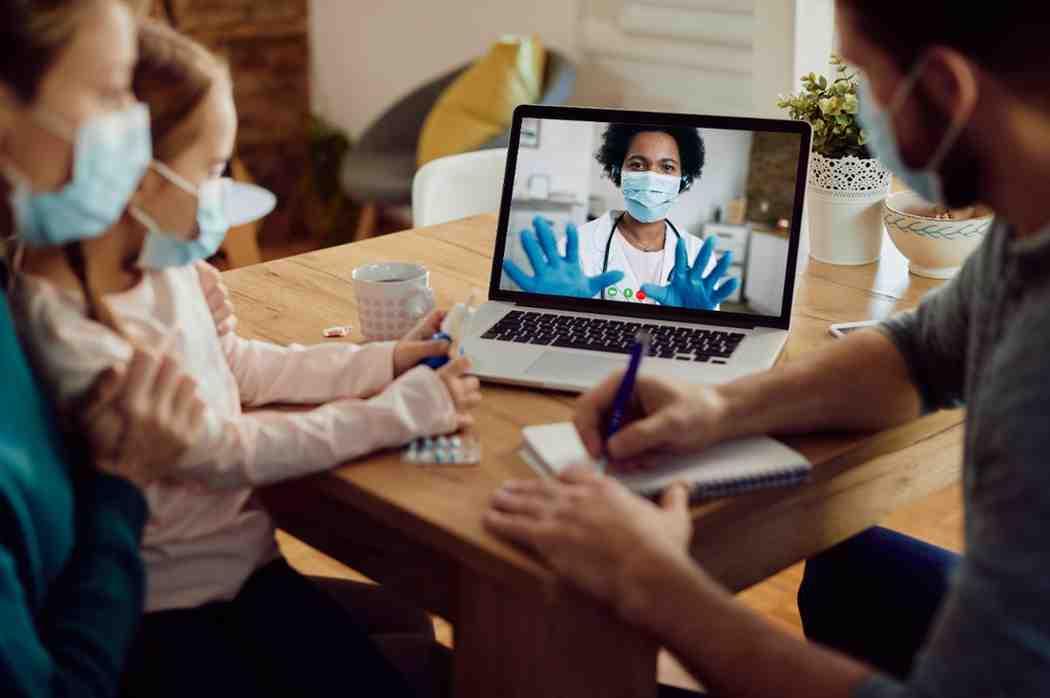
Telehealth used to feel like a backup option—something you used when traffic was unbearable or you couldn’t afford to miss work again. Today, it’s often the first door people try. But there’s a moment many patients and clinicians recognize instantly: the video connects, the greeting happens, and then someone says, “Can you share your last report again?” or “Do you remember the name of that medication?”
That’s not a small inconvenience. That’s the exact point where virtual care either becomes seamless… or becomes a stressful game of catching up.
The truth is simple: telehealth is only as good as the information available during the visit. When Electronic Medical Records (EMR) and Electronic Health Records (EHR) are properly connected to telehealth systems, the consult stops being a “remote conversation” and starts feeling like real care—continuous, informed, and confident.
This is why organizations investing in virtual care increasingly prioritize EHR/EMR + telehealth integration as a foundational capability, not an add-on.
EMR vs EHR: The Difference Becomes Real in Telehealth
People often use EMR and EHR interchangeably, but in telehealth the distinction matters.
-
EMR (Electronic Medical Record) usually refers to the digital chart within a single hospital or clinic network—visit notes, diagnoses, prescriptions, procedures, and billing information tied to that provider.
-
EHR (Electronic Health Record) is broader by design. It supports longitudinal health history across systems—specialists, labs, imaging centers, pharmacies, and sometimes patient-facing platforms.
In an in-person visit, clinicians can compensate for missing information by doing physical checks, asking more questions, or ordering tests on the spot. Telehealth software development company in usa , the consult needs to start with context already present. That’s why integration isn’t just a technical requirement—it’s a clinical one.
What “Good Integration” Feels Like (For Humans, Not Systems)
You can tell when integration is done well because nobody has to talk about it.
For patients, it feels like:
-
You don’t repeat your medical history at every appointment.
-
The clinician already sees allergies, chronic conditions, and recent tests.
-
Prescriptions and visit summaries arrive quickly and clearly.
-
Follow-ups don’t feel “lost” after the call ends.
For clinicians, it feels like:
-
The right patient chart opens automatically with the appointment.
-
Notes, orders, and prescriptions can be completed without jumping between tools.
-
Past history is easy to scan—without hunting through clutter.
-
Decisions are safer because the record is trustworthy.
This is also where a custom telemedicine app development solution becomes valuable: it allows the telehealth experience to match real clinical workflows rather than forcing clinicians into a generic, one-size platform.
Core Capabilities When EHR/EMR Meets Telehealth
1) Accurate patient identity and matching
Telehealth systems often create duplicates unless identity is handled carefully. Integration should support:
-
Unique patient identifiers
-
Master patient index (MPI) or robust matching logic
-
De-duplication rules
-
Consent and verification steps
Because if the “wrong chart” opens, everything else becomes unsafe.
2) Clinical context available inside the visit
During a video consult, clinicians should have immediate access to:
-
Current problem list and diagnoses
-
Allergies
-
Medication history and active meds
-
Recent labs and imaging results
-
Past visit notes and discharge summaries
-
Vitals trends (especially for chronic care)
This can be embedded, shown via panels, or launched through secure context links—what matters is speed and relevance.
3) Documentation, orders, and e-prescriptions
A telehealth consult must produce outcomes—not just conversation.
-
Notes should save directly into the EMR/EHR
-
Lab/imaging orders should be placed in-flow
-
E-prescriptions should be issued without manual copy-paste
-
Referrals and follow-up tasks should be recorded clearly
When this is disconnected, teams end up doing “double work”—and double work eventually becomes missed work.
4) Patient communication and post-visit continuity
Patients expect telehealth to be convenient end-to-end. Integration should support:
-
Visit summary and instructions
-
Prescription copy and medication guidance
-
Test orders and referrals
-
Follow-up reminders and scheduling
-
Secure messaging for quick clarifications
This is often the difference between “I had a teleconsult” and “I feel like my care is managed.”
5) Billing and claims readiness
Telehealth introduces variations in coding and payer requirements. A connected system helps ensure:
-
Correct visit classification (teleconsult vs hybrid vs in-person)
-
Complete documentation for audits
-
Claim-ready data flow
-
Payment handling if relevant
Operationally, this is where many telehealth programs either scale smoothly or get stuck.
How EHR/EMR and Telehealth Actually Integrate
There isn’t one universal integration method, but most mature setups follow one or more of these patterns:
-
API-first integration: best when EHR vendors provide stable, modern APIs.
-
FHIR/HL7 interoperability: common for standardized health data exchange across systems.
-
Context launch + SSO: telehealth launches the correct patient chart in the EHR with secure login and relevant context.
-
Middleware/integration engine: useful when multiple systems need mapping, routing, and transformations.
Organizations looking for a often prioritize teams that can handle both the clinical workflow design and the integration complexity—not just build a video layer.
Benefits That Actually Show Up in the Real World
Safer decisions, faster
When allergies, meds, history, and results are visible during the consult, clinicians can act with confidence—especially for chronic care.
Less repetition, more trust
Patients feel respected when they don’t have to keep narrating their own medical file. This improves adherence and satisfaction.
True continuity of care
Telehealth becomes a connected part of the clinical journey—follow-ups, referrals, and results don’t disappear after the call.
Reduced admin burden
Fewer manual uploads, fewer follow-up calls for prescriptions, fewer “where’s the report?” gaps.
And as virtual care becomes more competitive, these experience-level improvements are exactly what separates a decent platform from the best telemedicine app development company in usa offerings.
Common Pitfalls to Avoid
-
Too many clicks during a live visit (clinicians disengage)
-
Data overload instead of smart summaries (important details get missed)
-
Weak privacy, consent, and role-based access (compliance risk rises)
-
Integrations that break on upgrades (maintenance becomes a nightmare)
Integration isn’t a one-time build. It needs monitoring, versioning, and long-term stability.
Where Generative AI Fits Next
Once records and telehealth are connected, the next frontier becomes “intelligent workflow”:
-
Auto-generated pre-visit summaries from the past 90 days of records
-
Overdue test alerts surfaced before the call begins
-
Draft notes created from the consult (clinician-reviewed)
-
Automated care pathways for chronic conditions
If you’re building toward that future, it’s worth aligning telehealth strategy with modern AI capabilities too—especially when you’re already exploring platforms like this:
CTA
Ready to build a telehealth platform that actually feels connected—clinically and operationally? Talk to Enfin about designing a secure, integration-ready virtual care experience that fits your workflows, scales cleanly, and sets you up for the next generation of AI-enabled healthcare.
If you want, I can also rework the intro + section flow to be even more “story-led” (patient + clinician viewpoint alternating) while keeping it SEO-friendly and professional.

 English
 Arabic
 French
 Spanish
 Portuguese
 Deutsch
 Turkish
 Dutch
Dutch
 Italiano
 Romaian
 Portuguese (Brazil)
 Greek
Greek