


5 Signs You Are Feeding Your Fish Too Much (And How to Fix It)
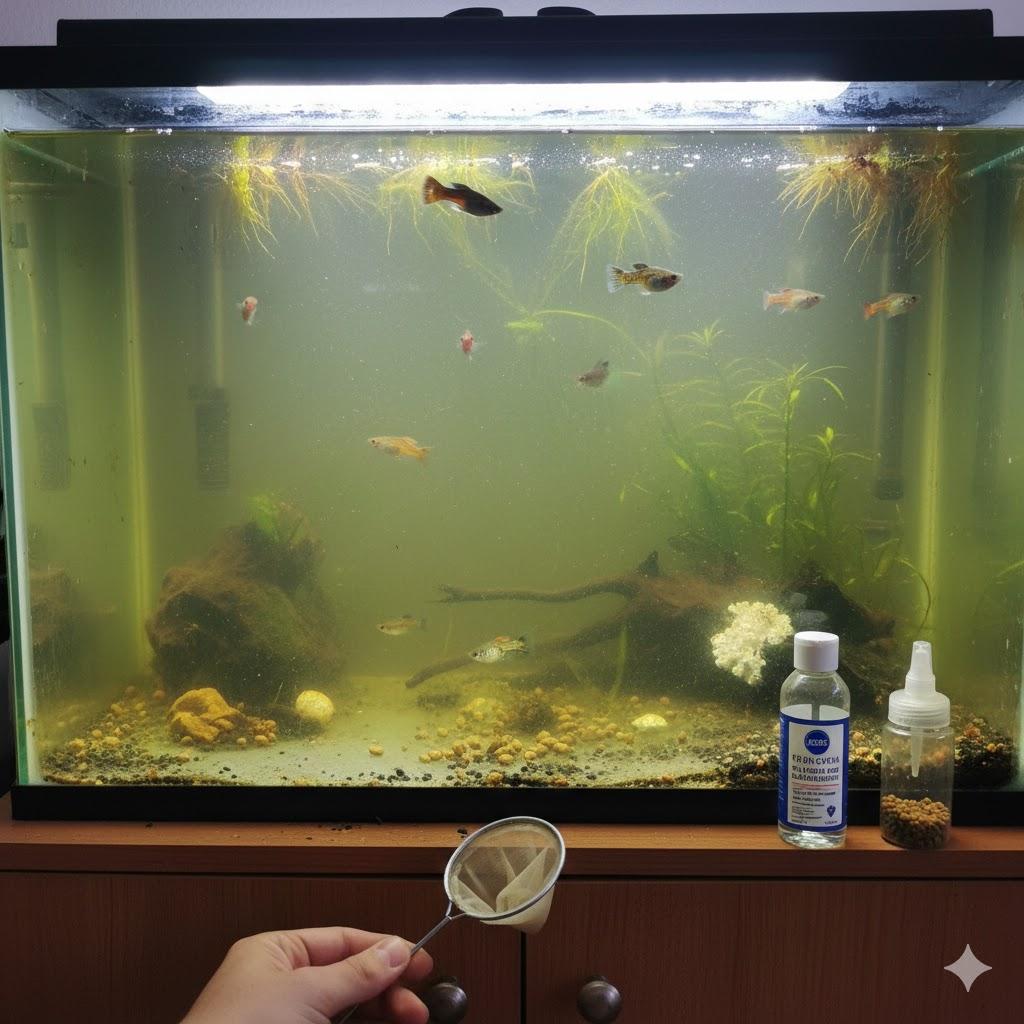
Feeding your fish seems simple: open the container, sprinkle some Fish Food, and watch them eat. But overfeeding is one of the most common mistakes aquarium owners make, especially beginners. While it may look like your fish are always hungry, too much Fish Food can harm your tank’s water quality, stress your fish, and even lead to disease.
Understanding the signs of overfeeding and choosing the right high-quality fish food can dramatically improve your aquarium’s health. In this guide, we’ll cover the five major warning signs of overfeeding, how to fix them, prevention strategies, a feeding correction table, and the latest trends in smart feeding technology. We’ll also explain why purchasing Fish Food from trusted Pet Supplies Online stores ensures better quality and guidance.
Why Overfeeding Is Dangerous
Fish rely entirely on the environment you provide. Uneaten Fish Food breaks down and releases ammonia, which can:
-
Burn fish gills
-
Reduce oxygen levels
-
Promote algae growth
-
Disrupt beneficial bacteria
Overfeeding affects both fish health and water chemistry.
Sign #1: Uneaten Fish Food Sits at the Bottom
The clearest indicator of overfeeding is visible leftover Fish Food on the substrate.
Why This Happens
-
Too large a portion size
-
Slow-eating species
-
Feeding too frequently
Why It’s Harmful
-
Decomposes into ammonia
-
Pollutes water
-
Encourages harmful bacteria
How to Fix It
-
Feed smaller portions
-
Only provide what fish eat in 2–3 minutes
-
Use a gravel vacuum to remove excess
Switching to high-quality fish food often reduces leftover waste because premium formulas are more digestible.
Sign #2: Cloudy or Smelly Water
Overfeeding creates nutrient overload.
Effects:
-
Bacterial blooms
-
Excess algae
-
Foul odor
Fix:
-
Reduce feeding immediately
-
Perform a partial water change
-
Improve filtration
Poor water clarity is often linked to low-quality Fish Food that breaks down quickly.
Sign #3: Fish Appear Bloated or Lethargic
Fish may continue eating even when full.
Symptoms:
-
Swollen belly
-
Sluggish swimming
-
Floating sideways
Why It Happens:
-
Excess protein intake
-
Constipation
-
Poor-quality food fillers
Solution:
-
Skip feeding for 24 hours
-
Introduce a fiber-rich diet occasionally
-
Use high-quality fish food with balanced ingredients
Balanced nutrition prevents digestive stress.
Sign #4: Rising Ammonia and Nitrate Levels
Overfeeding overloads the nitrogen cycle.
Indicators:
-
Ammonia above 0 ppm
-
Elevated nitrate
-
Increased fish stress
Fix:
-
Reduce feeding portions
-
Test water weekly
-
Increase water change frequency
The cleaner the Fish Food ingredients, the less waste produced.
Sign #5: Rapid Algae Growth
Excess nutrients from uneaten Fish Food fuel algae growth.
Consequences:
-
Reduced oxygen
-
Blocked light
-
Stress to plants
Correction:
-
Reduce feeding amount
-
Improve lighting schedule
-
Clean glass regularly
Balanced feeding prevents algae overgrowth.
Feeding Correction Table
|
Problem |
Cause |
Immediate Fix |
Long-Term Solution |
|
Uneaten food |
Oversized portions |
Reduce feeding |
Use measured feeding |
|
Cloudy water |
Decomposing food |
Water change |
Switch to high-quality fish food |
|
Fish bloating |
Overfeeding |
Skip feeding 1 day |
Balanced diet |
|
High ammonia |
Waste overload |
Test & water change |
Controlled feeding |
|
Excess algae |
Nutrient surplus |
Reduce light & feed less |
Monitor feeding schedule |
How Much Fish Food Should You Feed?
General guideline:
-
Feed what fish consume within 2–3 minutes
-
Once or twice daily
-
Adjust for species
Smaller fish require smaller portions.
Why High-Quality Fish Food Makes a Difference
Premium Fish Food offers:
-
Better digestibility
-
Fewer fillers
-
Higher protein quality
-
Reduced waste production
Cheap food often contains excess starch and low-grade ingredients that increase waste.
Feeding Frequency by Fish Type
|
Fish Type |
Feeding Frequency |
Notes |
|
Tropical community fish |
1–2 times daily |
Small portions |
|
Betta fish |
1–2 times daily |
Avoid overfeeding |
|
Goldfish |
Once daily |
Slow digestion |
|
Bottom feeders |
Small sinking portion |
Remove leftovers |
|
Fry (baby fish) |
3–4 small meals |
Special diet |
Adjust feeding based on species needs.
Upcoming Trends in Fish Feeding (2026 & Beyond)
Aquarium feeding technology is evolving rapidly.
1. Smart Automatic Feeders
-
Portion control
-
App scheduling
-
Reduced human error
2. Nutrient-Optimized Formulas
-
Less waste output
-
Enhanced immune support
3. Probiotic-Enhanced Fish Food
-
Improved digestion
-
Healthier gut bacteria
4. Sustainable Ingredients
-
Insect protein
-
Eco-friendly sourcing
5. Species-Specific Diets
-
Tailored nutrition
-
Reduced overfeeding risk
These trends reduce water pollution and improve fish health.
How to Transition to Proper Feeding
If you suspect overfeeding:
-
Reduce portion size gradually
-
Skip one feeding per week
-
Monitor water parameters
-
Remove excess debris
Consistency is key.
Buying High-Quality Fish Food from Pet Supplies Online
Shopping through Pet Supplies Online ensures:
-
Verified ingredient lists
-
Premium brand options
-
Customer reviews
-
Portion guidance
-
Reliable delivery
Reliable sourcing helps avoid low-grade Fish Food that contributes to waste.
Long-Term Benefits of Correct Feeding
When feeding is controlled:
-
Water stays clearer
-
Fish are more active
-
Fewer disease outbreaks
-
Lower maintenance effort
-
Reduced algae growth
Balanced feeding improves the entire ecosystem.
Final Thoughts: Less Is More
Fish may act hungry, but that doesn’t mean they need more Fish Food. Overfeeding is one of the fastest ways to destabilize your aquarium. By choosing high-quality fish food, monitoring portion sizes, and purchasing responsibly from trusted Pet Supplies Online retailers, you protect your fish and maintain cleaner water.
Healthy aquariums are built on balance, not excess.
Frequently Asked Questions (FAQs)
1. How do I know if I’m feeding too much Fish Food?
If uneaten food remains after 3 minutes or water becomes cloudy, you may be overfeeding.
2. Is it okay to skip feeding occasionally?
Yes. Most healthy fish can safely skip one day per week.
3. Does high-quality fish food reduce waste?
Yes. Better ingredients improve digestion and reduce excess waste.
4. Can overfeeding cause fish death?
Yes. It can lead to ammonia spikes, disease, and oxygen depletion.
5. Where can I buy reliable Fish Food?
You can find premium Fish Food and high-quality fish food options from trusted Pet Supplies Online retailers.
Read More:- Do Bettas Really Need Heaters? The Best Temperature Control Supplies

 English
 Arabic
 French
 Spanish
 Portuguese
 Deutsch
 Turkish
 Dutch
Dutch
 Russian
 Romaian
 Portuguese (Brazil)
 Greek
Greek