


The Integration of Phase Change Material Thermal Storage in Modern Climate Control
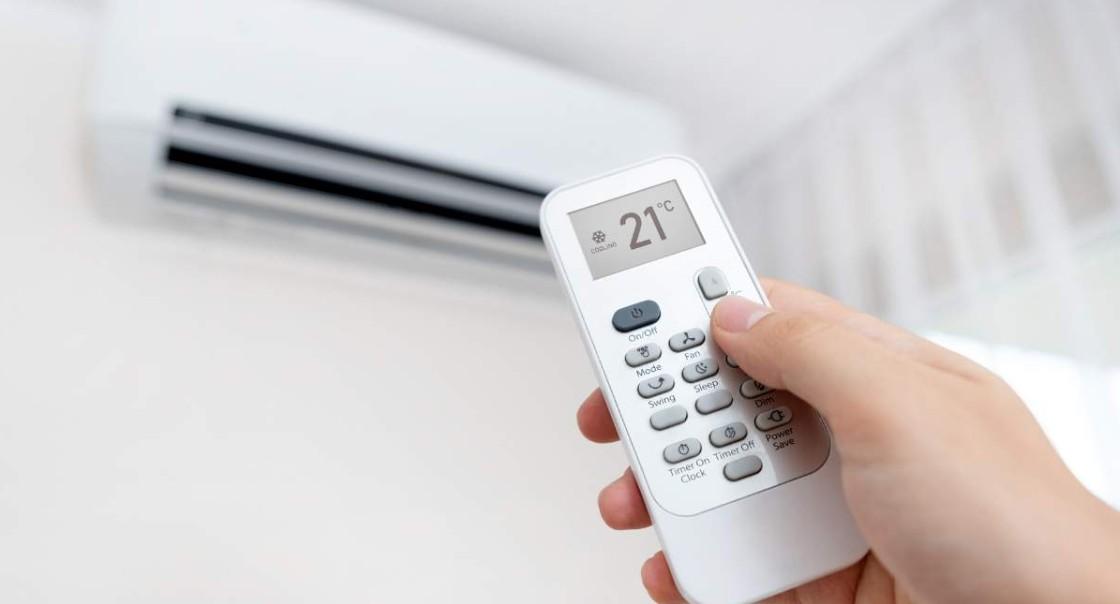
The global demand for energy efficiency in the built environment has led to a surge in innovative thermal management solutions. One of the most promising technologies in this sector is Phase Change Material (PCM) thermal storage. Unlike traditional sensible heat storage, which relies on changing the temperature of a material like water or stone, PCM utilizes the latent heat of fusion. This means that as the material transitions from a solid to a liquid state, it absorbs a massive amount of energy at a constant temperature. For those working in the field of heating ventilation air conditioning, understanding these thermodynamic shifts is becoming increasingly important. PCM systems allow for the "peak shaving" of energy loads, shifting the cooling or heating demand to off-peak hours when electricity is cheaper and the grid is less stressed.
Structural Integration and Mechanical Synergy
Implementing PCM thermal storage into an existing building's infrastructure requires a deep understanding of load calculations and system compatibility. These materials are typically integrated into building materials like drywall, ceiling tiles, or dedicated storage tanks within the primary air handling loop. When the ambient temperature rises above the PCM's melting point, the material absorbs the excess heat, keeping the indoor environment stable without requiring the compressor to cycle on. This synergy between advanced materials and mechanical systems is a core component of modern heating ventilation air conditioning strategies. Technicians must be able to calibrate thermostats and control sensors to account for this thermal "buffer," ensuring that the mechanical cooling only kicks in when the PCM has reached its maximum heat absorption capacity. This level of system integration represents the future of sustainable urban development and high-performance building design.
Optimizing Physical Footprint and Operational Lifespan
One of the primary benefits of latent heat storage is the significant reduction in the physical footprint of the storage system. Because phase change materials have a much higher energy density than water, a smaller volume of PCM can store the same amount of cooling energy as a massive chilled water tank. This is particularly advantageous in retrofitting older commercial buildings where space is at a premium. As the industry moves toward electrification and heat pump technology, the role of the heating ventilation air conditioning specialist is shifting toward that of an energy auditor. These professionals must evaluate how PCM can assist in maintaining comfort during extreme weather events without overloading the local electrical infrastructure. By smoothing out the demand spikes, PCM technology not only lowers operational costs for the building owner but also extends the operational lifespan of the mechanical equipment by reducing the frequency of start-stop cycles.
Technical Material Selection and Climate Matching
The selection of the appropriate PCM is a highly technical process that depends on the specific climate zone and the desired setpoint of the building. Paraffin waxes, salt hydrates, and bio-based fatty acids are the most common materials used today, each with distinct melting points and thermal conductivities. A technician well-versed in heating ventilation air conditioning must understand how to match the phase change temperature to the building's occupied hours. For instance, in a commercial office setting, a PCM with a melting point of 22 degrees Celsius is ideal for maintaining comfort during the day. If the material is poorly selected, it may never fully freeze or melt, rendering the storage system useless. This highlights the necessity for rigorous technical training and a commitment to understanding the chemistry behind the hardware. As these systems become standard in "Net Zero" building certifications, the ability to troubleshoot and maintain PCM-integrated loops will be a mandatory skill for the next generation of technicians.
Enhancing Indoor Air Quality and Acoustic Comfort
Beyond temperature stability, PCM thermal storage plays a vital role in indoor air quality and ventilation management. By reducing the reliance on high-velocity air movement to combat heat gains, these systems allow for a more consistent and gentle distribution of air. This reduces the "draftiness" often associated with oversized chillers and allows the heating ventilation air conditioning system to focus more on humidity control and filtration rather than just raw temperature reduction. When the thermal load is partially handled by the building's "passive" PCM surfaces, the mechanical ventilation can operate at lower speeds, which significantly reduces acoustic noise in the workspace. This holistic approach to indoor environmental quality is what modern clients expect, and it requires a technician who views the building as a single, breathing organism rather than a collection of isolated machines and ducts.
Specialized Maintenance Protocols for Hybrid Systems
Maintenance protocols for PCM-enhanced systems differ slightly from traditional setups but are no less critical. While the PCM itself is often encapsulated and maintenance-free for decades, the sensors and heat exchangers that interface with it must be kept in peak condition. A failure in the secondary pump or a miscalibrated temperature sensor can prevent the PCM from discharging its stored heat at night, leading to system failure during the heat of the next day. Professionals in heating ventilation air conditioning must be trained to recognize the subtle signs of thermal lag or reduced storage capacity. Regular inspections using thermal imaging cameras can help verify that the PCM modules are transitioning correctly. This blend of traditional mechanical skill and high-tech diagnostic capability is exactly what defines a modern HVAC specialist. The ability to bridge the gap between material science and mechanical engineering is what will set top-tier professionals apart in a competitive job market.
Decentralized Energy Storage and Professional Growth
As we look toward the future of global energy policy, the mandate for decentralized energy storage is becoming clearer. Phase change materials offer a passive, reliable, and cost-effective way to store thermal energy right where it is needed. For the aspiring or experienced heating ventilation air conditioning professional, staying ahead of this curve is essential for career longevity. The transition from simple "box swapping" to designing and maintaining integrated thermal storage solutions represents a significant professional upgrade.

 English
 Arabic
 French
 Spanish
 Portuguese
 Deutsch
 Turkish
 Dutch
Dutch
 Russian
 Romaian
 Portuguese (Brazil)
 Greek
Greek