English
 Arabic
 French
 Spanish
 Portuguese
 Deutsch
 Turkish
 Dutch
Dutch
 Italiano
 Russian
 Romaian
 Portuguese (Brazil)
 Greek
Greek

What’s Next? The Future with Bill Gates – Netflix Preview
Games |
2025-11-03 02:43:59
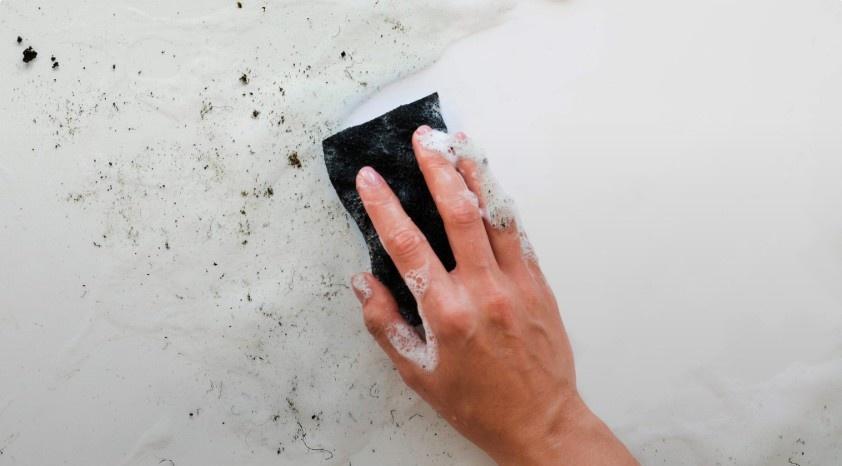
Mold in garage spaces is a problem that many homeowners face. Garages often have poor ventilation and fluctuating temperatures making them perfect environments for mold growth. Mold not only damages surfaces but also affects indoor air quality and health. Learning how to remove mold from garage areas and prevent mold growth in the future is essential for maintaining a safe and healthy home.
Garage mold appears for several reasons. Condensation forms when warm air meets cooler surfaces like concrete floors and walls. Poor airflow allows moisture to remain in corners and along walls creating the ideal environment for mold. Many garages also store cardboard boxes wood shelving and other organic materials that provide food for mold. Water leaks from rain or cracks in the foundation further increase moisture levels and accelerate mold growth. Understanding the causes of mold in garage areas is the first step in effective mold cleanup.
Identifying mold early helps prevent extensive damage. Look for dark stains or fuzzy patches on walls, ceilings, floors, and storage shelves. A strong musty odor that becomes noticeable when the garage door is closed is another sign. Peeling paint or discoloration near floor edges and stains on concrete that will not wipe away also indicate mold in garage spaces. Inspect behind stored items, under shelves, and around garage door tracks where moisture tends to accumulate.
Before starting mold removal, gather the necessary supplies:
Respirator mask
Safety gloves and goggles
Stiff scrub brush
Spray bottles
White vinegar
Baking soda
Hydrogen peroxide
Bucket with warm water
Vacuum or wet vacuum
Fans or portable dehumidifier
These items help protect you while removing mold safely and thoroughly.
Remove all items from the affected areas including vehicles, boxes, and shelving units. Open the garage door and windows to allow air to circulate. Use fans to push air out of the space while cleaning. Good ventilation reduces airborne spores and speeds up drying after mold cleanup. Check items you remove; heavily contaminated or porous items may need to be discarded to prevent mold from spreading.
Use a vacuum to pick up loose mold spores from surfaces before applying cleaning solutions. This step reduces the number of spores that become airborne during scrubbing. Dispose of vacuum bags or canisters carefully after use.
Concrete floors absorb moisture making them prime spots for mold growth. Apply a diluted bleach solution or white vinegar to affected areas. Scrub with a stiff brush and rinse thoroughly with clean water. Dry the floor completely using fans or a squeegee to prevent mold from returning.
Walls in garages can be made of painted drywall, concrete block, or wood. Begin by washing surfaces with warm water and mild soap. For persistent mold, spray a solution of vinegar and water, let it sit for several minutes, then scrub gently. Use hydrogen peroxide or a baking soda paste for wooden areas and dry completely to prevent future mold growth.
Mold frequently forms near the bottom of the garage door and in metal tracks. Wipe rubber seals with vinegar and ensure they dry completely. Replace seals that are too moldy to clean. Wipe metal tracks with water and dry thoroughly to prevent moisture accumulation.
Wooden shelving should be cleaned with hydrogen peroxide and dried completely. Metal shelves can be wiped down with soap and water, and plastic containers washed and dried. Fabric items like covers or bags can be washed with hot water and vinegar. Dispose of items that cannot be cleaned effectively.
Removing mold is only part of the solution. Preventing mold growth in the garage requires controlling moisture and airflow, sealing surfaces, and proper storage practices.
Keep garage humidity levels below fifty percent using a portable dehumidifier. Empty water tanks regularly or connect them to a continuous drain to maintain efficiency.
Good ventilation prevents mold growth. If natural airflow is limited, install fans or vents. Even a small wall-mounted fan can help reduce humidity and improve air circulation, discouraging mold in garage spaces.
Concrete floors should be sealed with epoxy coatings to block moisture from rising. Inspect the garage door and foundation for gaps and seal them. Repair roof or wall cracks that allow water to enter. Proper sealing reduces the chances of mold returning.
Use sealed plastic containers instead of cardboard to store items in the garage. Keep storage off the floor to allow airflow underneath. Only store dry items to reduce mold food sources and maintain a cleaner environment.
Do not skip protective gear during mold cleanup as scrubbing releases spores into the air. Avoid using bleach on porous surfaces like wood or drywall because mold roots remain inside. Never leave surfaces damp after cleaning as this encourages mold to regrow.
Large mold infestations or mold inside wall cavities may require professional mold removal. If mold keeps returning after cleaning or anyone in your household experiences respiratory symptoms, it is safest to hire experts. Professional mold cleanup ensures complete removal and safe indoor air quality.
Learning how to remove mold from garage areas and prevent mold growth is essential for homeowners. Controlling moisture, improving airflow, and proper storage practices are key to long-term mold prevention. Following these mold cleanup and prevention steps helps keep your garage safe, clean, and healthy.