English
 Arabic
 French
 Spanish
 Portuguese
 Deutsch
 Turkish
 Dutch
Dutch
 Italiano
 Russian
 Romaian
 Portuguese (Brazil)
 Greek
Greek

Ear Cuffs Damen | Der Trend-Schmuck für stilbewusste Frauen
Other |
2026-01-15 11:04:21
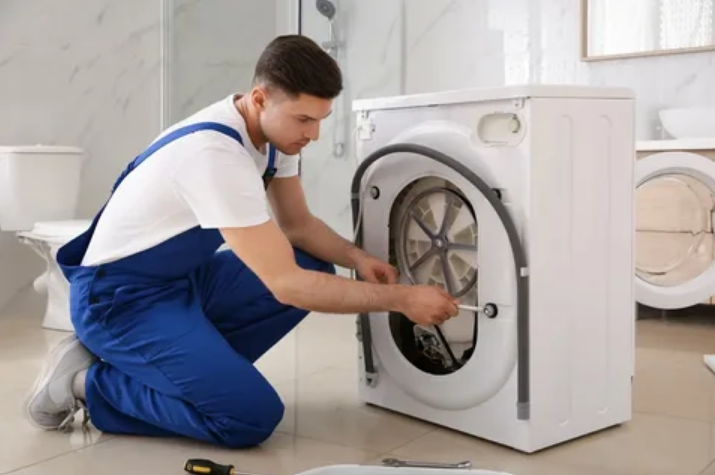
If you have ever been startled by a thundering sound coming from your laundry room, you aren’t alone. A vibrating washing machine isn't just a noisy nuisance; it can actually cause structural damage to your flooring and internal components of the appliance. When your laundry routine feels more like an earthquake, it’s time to take action.
Whether you are looking for DIY fixes or need professional washer repair in Pompano Beach, FL, understanding the mechanics of your machine is the first step toward a quiet home. At Pozharko Appliance Repair, we believe that a little maintenance goes a long way in extending the life of your household essentials.
Before you can fix the noise, you need to identify the culprit. Most washing machine vibrations stem from one of four issues: an unlevel machine, an unbalanced load, shipping bolts that weren't removed, or worn-out internal parts like shock absorbers and suspension springs.
Modern high-efficiency (HE) washers spin at incredibly high speeds to extract water. At these velocities, even a minor imbalance can escalate into a violent "walking" motion where the machine literally moves across the floor.
The most common cause of a shaking washer is uneven feet. Most machines have adjustable front legs with a locking nut.
It is tempting to cram as many clothes as possible into a single cycle, but overloading is a primary cause of loud banging noises. Conversely, washing a single heavy item—like a denim jacket or a large rug—can cause the drum to become lopsided during the spin cycle.
To prevent this:
In front-loading machines, shock absorbers are used to dampen the tub's movement. If these wear out or leak fluid, the tub will bounce uncontrollably against the outer cabinet. Top-loading machines use suspension springs to keep the tub centered.
If you notice the shaking has gotten progressively worse over time, regardless of the load size, it is likely a mechanical failure. In such cases, searching for washer repair in Pompano Beach, FL, is your best bet to ensure the replacement parts are installed correctly and calibrated for your specific model.
If your washing machine is brand new and shaking violently from the very first wash, check the back of the unit. Manufacturers install "shipping bolts" to keep the drum stationary during transit. If these aren't removed during installation, the drum cannot move freely on its suspension, leading to intense vibrations that can crack the machine’s internal frame.
If leveling and balancing don't do the trick, you may be looking at a "failed component" scenario. Here are the usual suspects:
Component Symptom Fix
Tub Bearings: High-pitched screaming or grinding noise. Requires a major teardown; usually best handled by a pro.
Drive Belt Squealing or slipping sounds during agitation. Replacing the belt is a relatively simple maintenance task.
Leveling Legs Machine "walks" or slides across the floor. Replace worn rubber caps or tighten the locking nuts.
Drain Pump Rhythmic clicking or grinding. Check for coins, bobby pins, or debris stuck in the pump filter.
Sometimes the problem isn't the machine—it's the floor. If your laundry room is on a second story or a wood-joist floor, the natural flex of the wood can amplify vibrations.
Pro Tip: Consider purchasing anti-vibration pads. These heavy-duty rubber mats or "cups" sit under the washer’s feet and absorb the kinetic energy before it reaches your floorboards. This is a cost-effective way to dampen the decibel level of your laundry cycles.
While many "noisy washer" issues are solved with a level and a bit of patience, some noises are red flags for serious mechanical distress. If you hear metal-on-metal grinding or smell burning rubber, shut the machine off immediately.
Attempting to fix complex issues like a broken spider arm or failing main bearings without the right tools can lead to more expensive repairs down the road. Local experts who specialize in appliance maintenance and laundry machine troubleshooting have the diagnostic equipment to pinpoint the exact failing part without the guesswork.
Preventative maintenance is the key to a silent home. Every few months, check your machine’s feet to ensure they haven't shifted. Clean the pump filter to prevent clogs that cause the motor to strain, and never ignore a "new" sound.
A quiet washing machine is a sign of a healthy appliance. By following these steps, you can save money on utility bills and avoid the stress of a breakdown.