English
 Arabic
 French
 Spanish
 Portuguese
 Deutsch
 Turkish
 Dutch
Dutch
 Italiano
 Russian
 Romaian
 Portuguese (Brazil)
 Greek
Greek

Hollywood Crime Investigations: Inside LA Cases
Games |
2025-10-24 01:23:41
Key Materials and Manufacturing Process
A Curb Ramp Manufacturer produces accessibility ramps designed to bridge the height difference between sidewalks and road surfaces. These ramps are essential components of modern urban infrastructure, helping pedestrians, wheelchair users, and individuals with mobility aids move safely between sidewalks and streets.
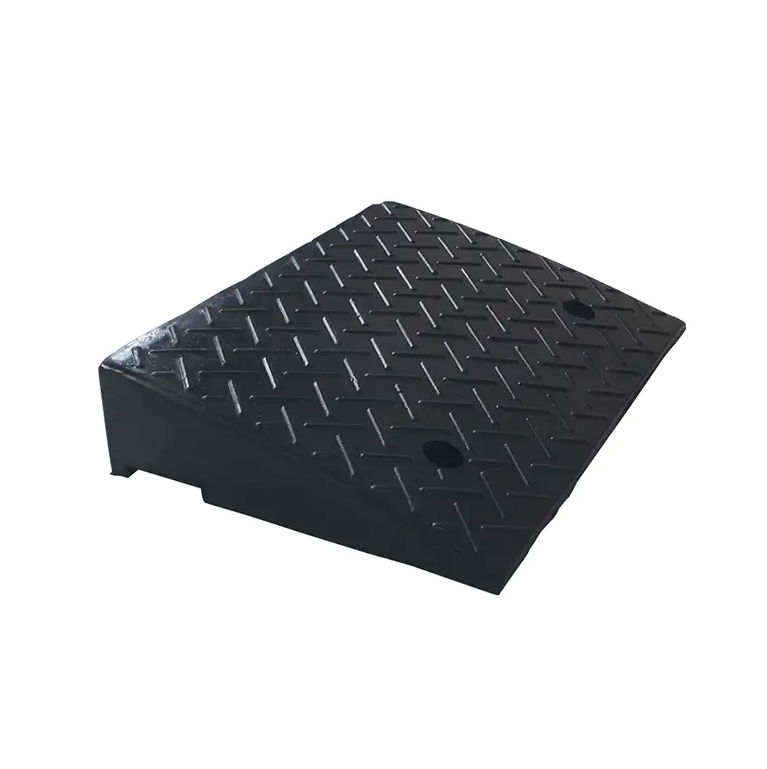
The manufacturing process varies depending on the materials used. Common materials include rubber, plastic, rubber-plastic composites, and concrete. Rubber curb ramps are widely used because they are flexible, durable, and resistant to weather, UV exposure, and corrosion. Plastic ramps are lightweight and cost-effective while still providing good strength and temperature resistance. Composite materials combine the advantages of rubber and plastic, offering both flexibility and durability. Concrete ramps are also commonly used for permanent installations because they are extremely strong and long-lasting.
Manufacturers typically design curb ramps with textured or non-slip surfaces to improve traction and reduce the risk of slipping during wet or icy conditions. Many products also include modular structures that allow easy installation and relocation when needed. Advanced production technologies such as injection molding and compression molding ensure consistent quality and structural integrity across large batches.
Accessibility Standards and Safety Design
One of the most important responsibilities of a Curb Ramp Manufacturer is ensuring that products meet accessibility standards and safety regulations. In the United States, curb ramps are commonly designed to comply with the Americans with Disabilities Act (ADA) accessibility guidelines.
According to ADA standards, curb ramps must have a maximum running slope of 1:12, meaning that for every inch of vertical rise there should be at least twelve inches of horizontal length. The ramp should also be at least 36 inches wide and include a landing area at the top to allow wheelchair users to maneuver safely.
Additional design requirements include flared sides with a maximum slope of 1:10 and proper placement so the ramp does not extend into vehicle lanes or parking areas. These guidelines help ensure that curb ramps provide smooth and safe transitions between sidewalks and streets.
There are several common types of curb ramps used in urban environments, including perpendicular ramps, parallel ramps, and diagonal ramps. Each design is used depending on the layout of the intersection or sidewalk. Perpendicular ramps are generally preferred because they guide users directly toward the crosswalk and provide better orientation for visually impaired pedestrians.
Customization and Applications of Curb Ramps
Many buyers choose a Curb Ramp Manufacturer that offers customization services to meet specific project requirements. Customization options can include different ramp heights, widths, load capacities, colors, and surface textures. Some manufacturers also provide reflective markings or high-visibility colors to improve safety in low-light environments.