


The Complete Guide to Vegan Probiotics [2023]
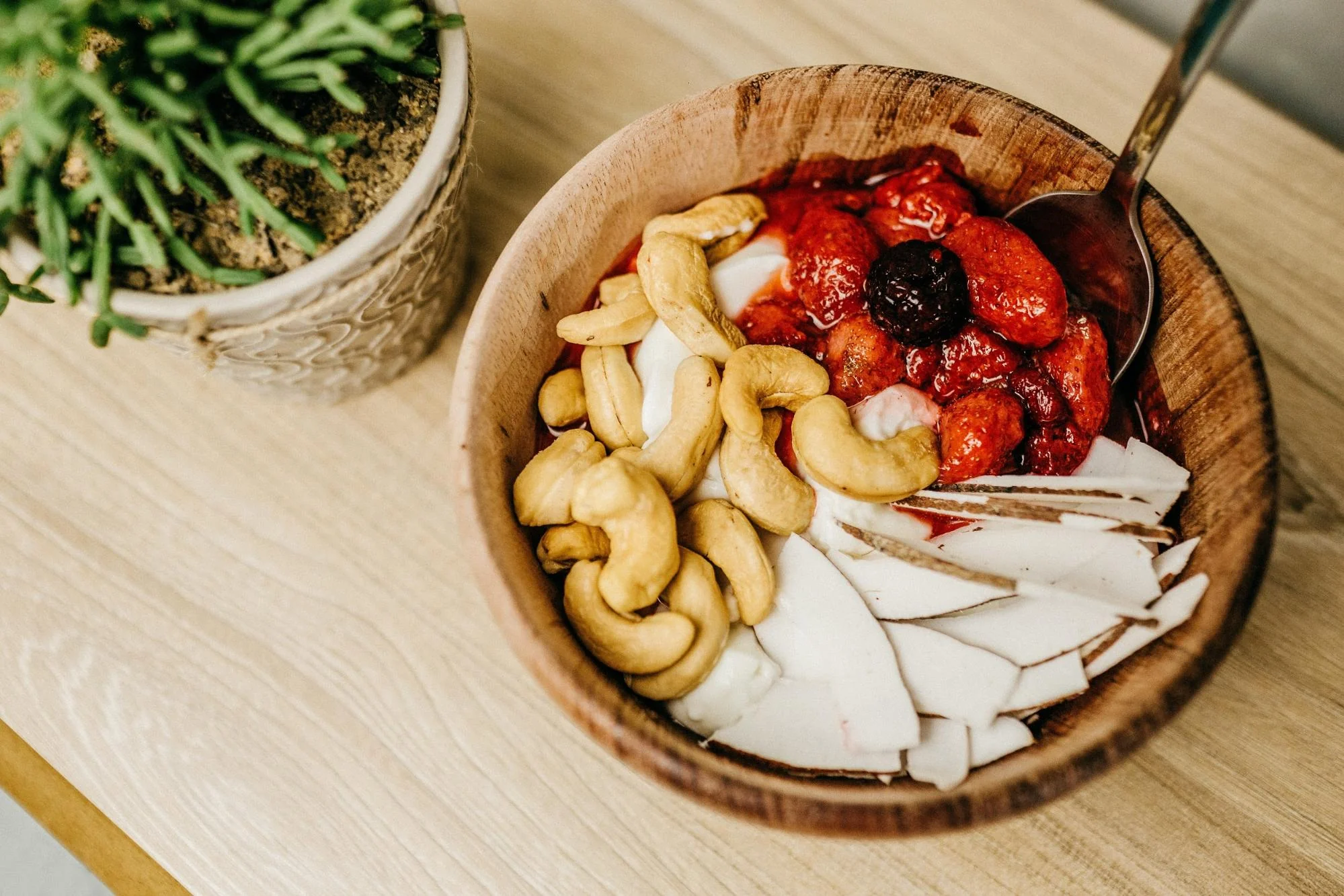
Are probiotics vegan? Not all probiotics are vegan. Some contain ingredients from animal or dairy sources so you should check the label carefully to ensure your supplement meets your lifestyle.
Ever find yourself at a grocery store or pharmacy, browsing the probiotics aisle and finally you spot one that checks all your boxes? It’s science-backed, multispecies and multistrain, and shelf-stable. You think you’ve hit a gold mine. You turn the product box around to look at the other ingredients and spot… DAIRY!
You’re vegan, so you know you can’t take this probiotic. Feeling overwhelmed by the options and defeated by the lack of quality products, you leave the store without success and pining for a probiotic that aligns with your lifestyle.
Although vegan products are becoming increasingly available, many popular probiotic foods and supplements are not vegan.
This poses an issue for vegans and for people with lactose intolerance. It’s even a problem for many others, because certain animal products are known to cause inflammation in the gut which is counter-productive to making an effort to support your gut health.
Therefore, it’s best to opt for a probiotic that is vegan to fully promote your gut health and overall wellbeing.
In this blog post, we’ll review the benefits of probiotics, what to consider when it comes to vegan probiotics and how to choose the best vegan probiotic.

How Do Probiotics Work?
Probiotics are the billions of good bacteria that live in and on our body and especially populate our intestines. These beneficial gut bacteria assist in many important functions in the body, including healthy digestion and bowel movements, the immune system, stress response, concentration, mood and sleep.
The gut microbiome consists of these good probiotic bacteria as well as yeasts, fungi and other microorganisms. In order to maintain a healthy gut and overall well-being, it’s important to keep a healthy bacterial balance and diversity.
External factors, such as stress, certain medications (e.g. antibiotics) and an unhealthy diet can disrupt the healthy bacterial balance and diversity in the gut, and lead to health issues.
First and foremost, these health issues will show up as digestive discomfort, including diarrhea, bloating and constipation. Over time, a damaged gut can lead to a weaker immune system and more frequent illness, skin issues, urinary tract infections, migraines and trouble sleeping (to name a few).
Longer term, research shows a strong connection between a bacterial imbalance in the gut and severe illness, including type 2 diabetes and Alzheimer’s disease.
When you take probiotics, you replenish the essential beneficial bacteria in your gut and promote your gut health, so that all related processes in your body can continue to function properly.

Benefits of Taking Probiotics
There are vast health benefits of taking probiotics. The gut with its beneficial probiotic bacteria plays an important role in everything from optimizing your digestion and bowel movements, to supporting your immune function and healthy skin, to managing irritable bowel syndrome and leaky gut, and promoting mental health and a healthy metabolism.
It’s important to note that there are hundreds of different probiotic species and strains (such as Lactobacillus acidophilus and Bifidobacterium bifidum) and each of these different strains performs a slightly different task in the body.
For example, several studies have shown that people suffering from obesity have higher numbers of a specific bacterial species in their guts than slim people. This involves the two large bacterial groups called Bacteroidetes and Firmicutes. Ideally these should both be present in a ratio of 1:1. In obese people, this ratio shifts to a predominance of Firmicutes, sometimes up to a ratio of 2,000 to 1.
The most effective probiotics to take are supplements that have been scientifically combined to address specific health needs. These supplements include probiotic strains that work hand in hand to promote certain health outcomes.
Are All Probiotics Vegan?
Not all probiotics are vegan. Many of the most popular probiotic foods and supplements include animal products, very commonly dairy.
Oftentimes, people reach for probiotic-rich foods like yogurt and kefir. This is problematic in several ways. Regular yogurt and kefir are made up of dairy and include lactose, which many people are intolerant to. Up to 50 million people in the U.S. are lactose intolerant, whether they know it or not.
This means that if these people ingest yogurt or kefir, their bodies react negatively rather than reaping the benefits of getting extra probiotic bacteria. Whereas probiotics are supposed to optimize digestion, dairy-rich foods and drinks would likely lead to diarrhea in people with lactose intolerance.
Furthermore, even if someone is not lactose intolerant, dairy-rich products contribute to inflammation in the gut. This inflammation is a common cause for leaky gut and triggers a vicious cycle of an unhealthy gut and gut-related health challenges.
When it comes to supplements, many popular probiotics also include dairy. The same risks apply. Unfortunately, the heavy marketing and advertising behind some of these products continue to boost their popularity, even though a vegan probiotic supplement would be much more beneficial.
A probiotic that is non-dairy and does not include animal products will usually have the most profound positive impact on gut health and have the largest consumer base, including vegans and people with a lactose intolerance.
In addition, a vegan probiotic does not potentially counteract the probiotic benefits by contributing to dairy-caused inflammation in the gut. It’s hard to understand why manufacturers continue to include dairy in probiotics.
Human probiotic bacteria are natural to the body and will be able to settle in the gut and reproduce. Animal-derived probiotic bacteria, such as those found in dairy products, often cannot colonize in the human digestive tract. In this case, the probiotics you ingest simply run through your digestive system and come back out on the other side with your stool.
Vegan Foods That Contain Probiotics
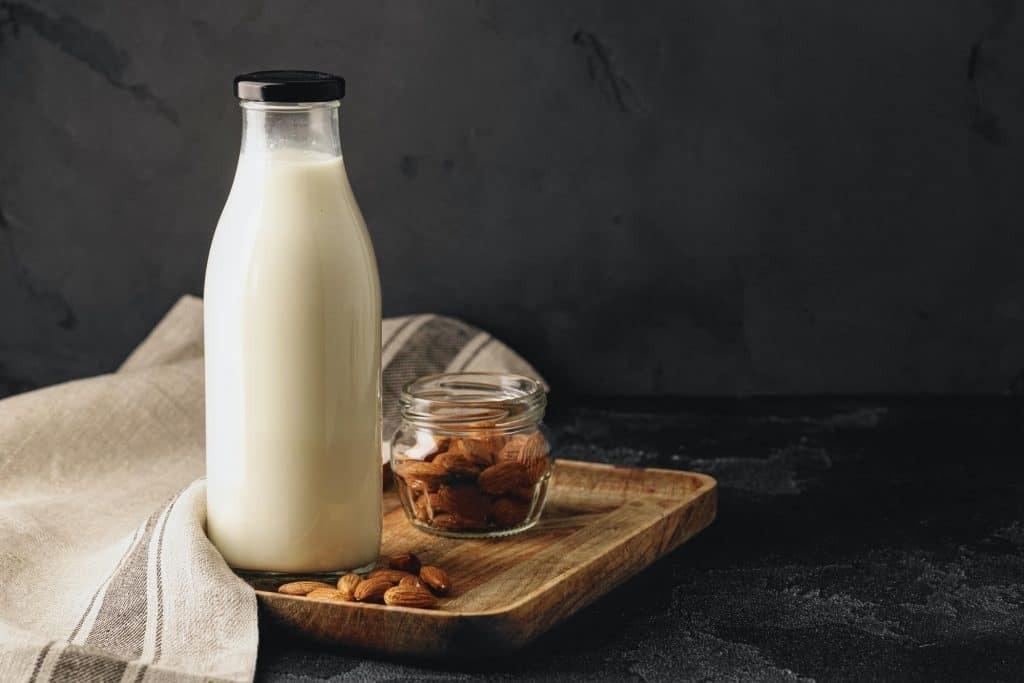
There is a good selection of vegan foods that contain probiotics, including dairy-free yogurt. Fermented foods and drinks, such as kimchi, sauerkraut and kombucha (fermented tea), pickles, and sourdough bread also include good bacteria and are vegan.
While fermented foods and drinks certainly support the gut microbiome, it is still best to choose a probiotic supplement for more targeted results. Fermented foods naturally contain a variety of bacteria, but the exact strains, amounts, and benefits can be inconsistent and differ from batch to batch. A high-quality probiotic supplement, on the other hand, provides clearly identified strains and a guaranteed CFU count, ensuring you know exactly what beneficial bacteria you are ingesting and how they support your health. Premium probiotic supplements are formulated by combining specific strains that work together to achieve defined health goals, offering far more precision and reliability than relying on food sources alone.
For example, we offer a probiotic supplement, OMNi-BiOTiC® AB 10, that contains ten beneficial bacterial strains that work together to restore and maintain healthy bacterial balance and diversity in the gut, especially after exposure to medications and pathogens.
OMNi-BiOTiC® AB 10, as well as our other probiotic products, is made up of highly active human probiotic bacteria and is vegan. It is a very effective probiotic for anyone looking to support gut health and respect their vegan lifestyle choices.


 English
 Arabic
 French
 Spanish
 Deutsch
 Turkish
 Dutch
Dutch
 Italiano
 Russian
 Romaian
 Portuguese (Brazil)
 Greek
Greek