


Permanent Solutions for Thinning Hair and Receding Hairlines
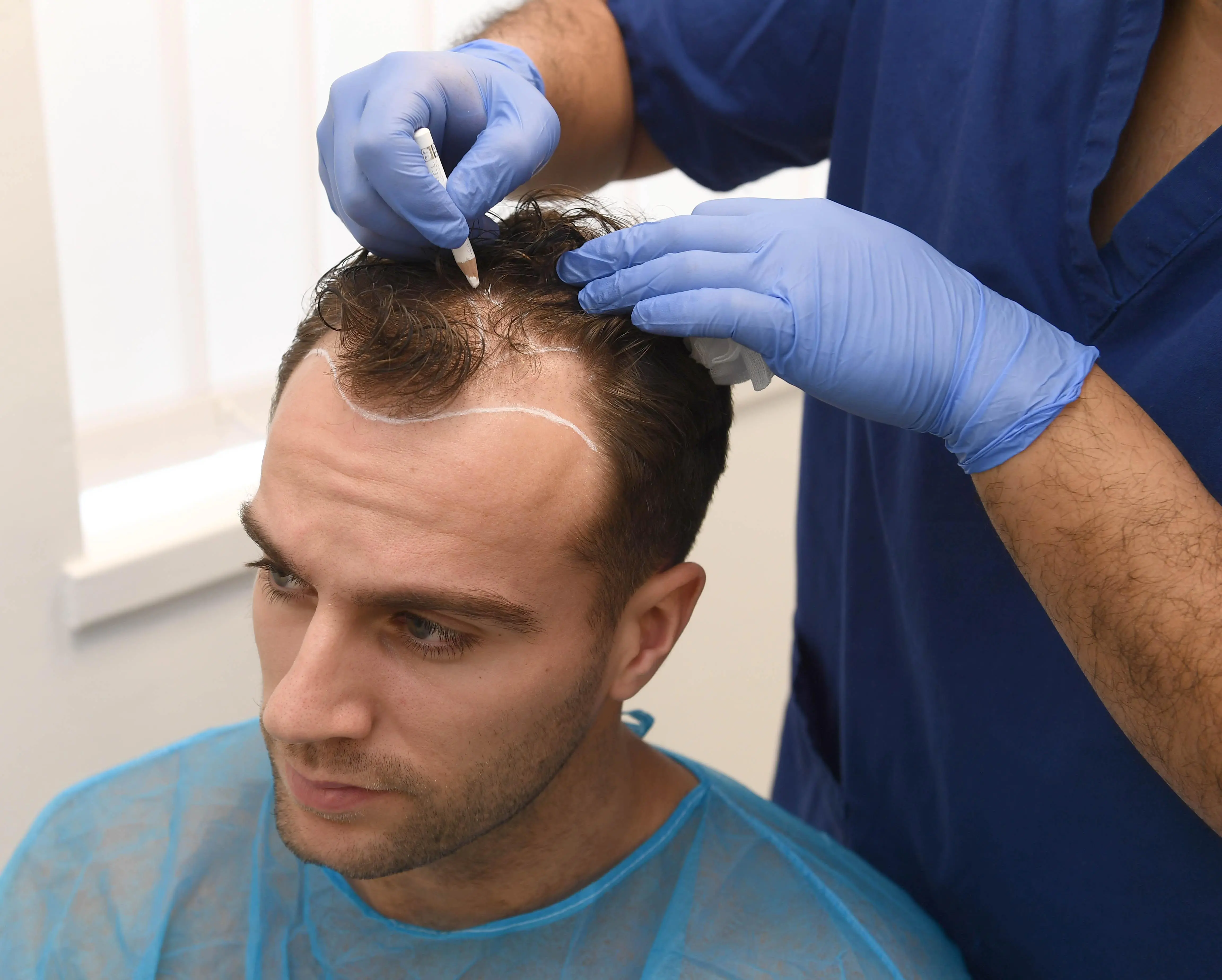
Permanent Solutions for Thinning Hair and Receding Hairlines
Addressing hair loss is a journey that often involves distinguishing between temporary shedding and permanent changes to the scalp's density. For many individuals seeking a hair transplant in Dammam(زراعة الشعر في الدمام), the decision to undergo surgery comes after realizing that topical solutions and lifestyle changes may not be enough to combat genetic predispositions. Permanent hair loss, often characterized by a receding hairline or thinning at the crown, typically occurs when hair follicles are miniaturized by hormonal factors, such as Dihydrotestosterone (DHT). Unlike temporary hair loss, which can be triggered by stress or nutritional deficiencies, permanent loss requires a structural intervention to restore the "frames" of the face. Modern medical advancements have made it possible to redistribute healthy, DHT-resistant follicles to these thinning areas, providing a lifetime solution that ages naturally with the patient.
The Permanence of Donor Dominance
The scientific foundation of any successful hair transplant is a principle known as "donor dominance." In most cases of male and female pattern baldness, the hair follicles at the back and sides of the head are genetically programmed to resist the miniaturization process. These areas are often referred to as the "permanent zone."
When a surgeon performs an extraction, they are moving these hardy follicles to the recipient sites where thinning is most visible. Because these follicles retain their genetic coding regardless of where they are placed, they continue to grow in their new location for decades. This is why a surgical restoration is considered the only truly permanent fix for hair loss; once the transplanted hair takes root and enters its growth cycle, it is not subject to the same thinning process that affected the original hair in that area.
Strategic Planning for Receding Hairlines
A receding hairline is often the first and most distressing sign of permanent hair loss. Restoring this area requires more than just adding density; it requires a strategic, long-term blueprint.
-
Designing a Mature Hairline: A common mistake in restoration is creating a hairline that is too low or aggressive. Professional clinical planning involves designing a "mature" hairline that will look as natural on a 50-year-old as it does on a 30-year-old.
-
Preventing the "Hair Island" Effect: Because native hair around the transplant may continue to thin over time, surgeons must plan for future loss. This often involves placing grafts in a way that blends seamlessly with existing hair and sometimes recommending non-surgical therapies to maintain the health of the surrounding "native" follicles.
-
Angle and Depth: To ensure the solution looks natural permanently, each graft must be implanted at the correct angle. Frontal hair typically grows forward and slightly downward. Modern techniques allow for this level of extreme precision, ensuring the new hairline matches the patient's unique growth pattern.
Success Rates and Graft Survival
The effectiveness of a permanent hair restoration procedure is measured by the "graft survival rate." In top-tier facilities, this rate is typically 90% or higher. Achieving such results depends on several technical factors during the procedure:
-
Minimized Bench Time: The less time a follicle spends outside the body, the higher its chance of survival. Modern protocols involve keeping the grafts in specialized chilled solutions to maintain their vitality.
-
No-Touch Implantation: Using tools like the Choi Implanter Pen reduces the physical manipulation of the bulb, protecting the delicate stem cells responsible for hair synthesis.
-
Scalp Health: A healthy scalp environment acts like fertile soil. Patients are often advised on pre-operative care to ensure the recipient area has optimal blood flow, which is crucial for the revascularization of the new grafts during the first 72 hours.
Comparing Surgical and Non-Surgical Longevity
While there are many non-surgical treatments available for thinning hair—such as specialized shampoos, laser caps, and medications—these are generally considered "maintenance" therapies. They work by slowing down the rate of loss or thickening existing strands, but they do not create new follicles where they have already been lost.
A hair transplant in Dammam offers a different value proposition: it is a one-time investment in biological architecture. While non-surgical options must be used indefinitely to see results, a successful transplant provides a permanent physical change. Many patients choose a "combined approach," using surgery to restore the hairline and crown while utilizing non-surgical therapies to protect the remaining native hair on the rest of the scalp.
The Emotional Impact of a Permanent Fix
The transition from worrying about thinning hair to having a stable, permanent hairline has a profound psychological impact. Hair loss is often linked to a loss of self-confidence and a feeling of premature aging. By opting for a permanent solution, individuals can stop the "stop-gap" cycle of temporary fixes.
The results of a modern restoration are not immediate, as the hair must go through a shedding and regrowth phase over the first 12 months. However, once the result matures, the maintenance is remarkably low. The transplanted hair can be cut, styled, dyed, and treated exactly like natural hair because, biologically, it is the patient's own natural hair.
Is It the Right Time for a Permanent Solution?
Determining the right time for a transplant involves assessing the stability of your hair loss. Surgeons typically look for a "stable" donor area and a predictable pattern of thinning. If hair loss is still in a very active, rapid phase, a surgeon might suggest waiting or starting a stabilization program first.
In 2026, the technology has reached a point where even those with significant thinning can achieve impressive coverage. Whether using FUE or DHI, the goal remains the same: to provide a lasting, undetectable restoration that allows the patient to move forward with confidence, knowing their hair loss concerns are finally behind them.

 English
 French
 Spanish
 Portuguese
 Deutsch
 Turkish
 Dutch
Dutch
 Italiano
 Russian
 Romaian
 Portuguese (Brazil)
 Greek
Greek