


The Science Behind Successful Hair Follicle Transplantation
The Science Behind Successful Hair Follicle Transplantation
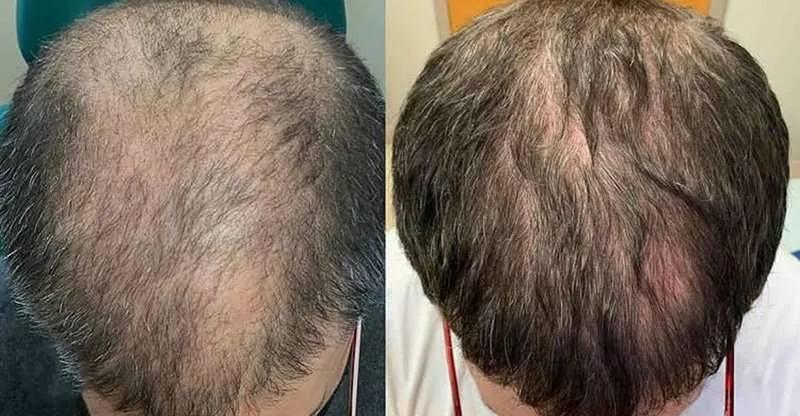
The biological mechanisms that allow a hair follicle to be moved from one part of the body to another and continue to grow for a lifetime are nothing short of remarkable. Hair transplantation in Dammam (زراعة الشعر في الدمام)has advanced because it is rooted in the fundamental principles of "donor dominance," a scientific concept which suggests that the characteristics of a hair follicle are determined by its origin rather than its new location. This means that if a follicle is taken from a region resistant to the hormones that cause balding, it will maintain that resistance even when placed in a thinning area. Understanding the cellular and physiological processes behind this journey—from extraction to vascularization and eventual growth—is essential for anyone wanting to appreciate the complexity and the high success rates of modern restoration.
The Principle of Donor Dominance
The cornerstone of hair restoration science is the understanding of androgenetic alopecia (pattern baldness). In most individuals, hair loss is caused by the sensitivity of follicles to Dihydrotestosterone (DHT), a derivative of testosterone. However, the follicles at the back and sides of the head (the occipital and temporal regions) are genetically programmed to lack the receptors that react to DHT.
When these "permanent" follicles are harvested and transplanted, they retain their genetic coding. They do not "learn" to fall out once moved to the hairline or crown. This discovery transformed hair restoration from a temporary fix into a permanent medical solution.
The Life of a Graft: The Extraction Phase
A hair transplant is essentially an organ transplant on a microscopic scale. Each follicular unit—consisting of the hair shaft, the sebaceous gland, the nerves, and the tiny "arrector pili" muscle—must be kept alive and healthy during the transition.
In modern clinics, extraction science focuses on minimizing "transection." Transection occurs if the surgical tool cuts through the bulb or the mid-section of the follicle, rendering it unable to grow. Using high-magnification loupes and precision micro-punches, specialists ensure that the entire anatomical structure of the follicle is removed intact. The faster and more cleanly a follicle is removed, the higher its chances of surviving the move.
The Crucial "Ex Vivo" Interval
Once a follicle is removed from the body, it enters the "ex vivo" phase. During this time, it is disconnected from its blood supply and is susceptible to "ischemia-reperfusion injury." To counter this, scientists have developed specialized storage solutions.
-
Temperature Control: Grafts are typically kept in a chilled environment (around $4^{\circ} \text{C}$) to slow down their metabolic rate, reducing the need for oxygen.
-
Nutrient Solutions: Instead of simple saline, many clinics now use solutions enriched with electrolytes, antioxidants, and buffers that mimic the natural environment of the human body. This "holding" science is what allows surgeons to perform long, 8-hour sessions while ensuring that the first graft harvested is as healthy as the last one implanted.
Vascularization: Reconnecting to the Body
The most critical scientific hurdle occurs in the first 72 hours after implantation. For the graft to survive permanently, it must establish a new blood supply, a process known as "neovascularization."
During the first 24 hours, the follicle survives through "plasmatic imbibition"—it essentially absorbs nutrients from the surrounding tissue like a sponge. By the third day, tiny new blood vessels begin to form and connect the follicle to the scalp's circulatory system. This is why the post-operative instructions emphasize avoiding any physical contact or pressure on the scalp; any movement of the graft during this window can snap these delicate new connections and cause the graft to fail.
The Hair Growth Cycle and "Shock Loss"
Understanding the science of the hair growth cycle helps explain the timeline of results. Hair grows in three phases:
-
Anagen: The active growth phase.
-
Catagen: The transitional phase.
-
Telogen: The resting phase.
The trauma of surgery often pushes the transplanted follicles into the Telogen phase. This results in "shock loss," where the hair shaft falls out approximately 2 to 6 weeks after the procedure. Scientifically, this is a normal defensive response. The follicle is not dead; it is simply resetting. Once the follicle enters a new Anagen phase, it begins to produce a new, permanent hair shaft, which typically becomes visible 3 to 4 months later.
Enhancing Results with Regenerative Science
Today, the science of hair transplantation is often paired with regenerative medicine to improve outcomes. Techniques like Platelet-Rich Plasma (PRP) therapy leverage the concentration of growth factors in the patient’s own blood. When these factors are introduced to the transplant site, they signal the cells to repair tissue faster and encourage the follicles to enter the growth phase more quickly. This synergy between surgery and cellular biology is what allows for the dense, natural results seen in modern patients.
Conclusion
Successful hair restoration is far more than just a cosmetic procedure; it is a sophisticated application of genetic biology, vascular surgery, and cellular preservation. By respecting the life cycle of the follicle and utilizing advanced storage and extraction sciences, specialists can ensure that the results are not only natural-looking but also permanent. For the patient, this scientific rigor translates into a reliable and life-changing transformation.

 English
 French
 Spanish
 Portuguese
 Deutsch
 Turkish
 Dutch
Dutch
 Italiano
 Russian
 Romaian
 Portuguese (Brazil)
 Greek
Greek