


What to Expect: Your 12-Month Hair Transplant Recovery Timeline
What to Expect: Your 12-Month Hair Transplant Recovery Timeline
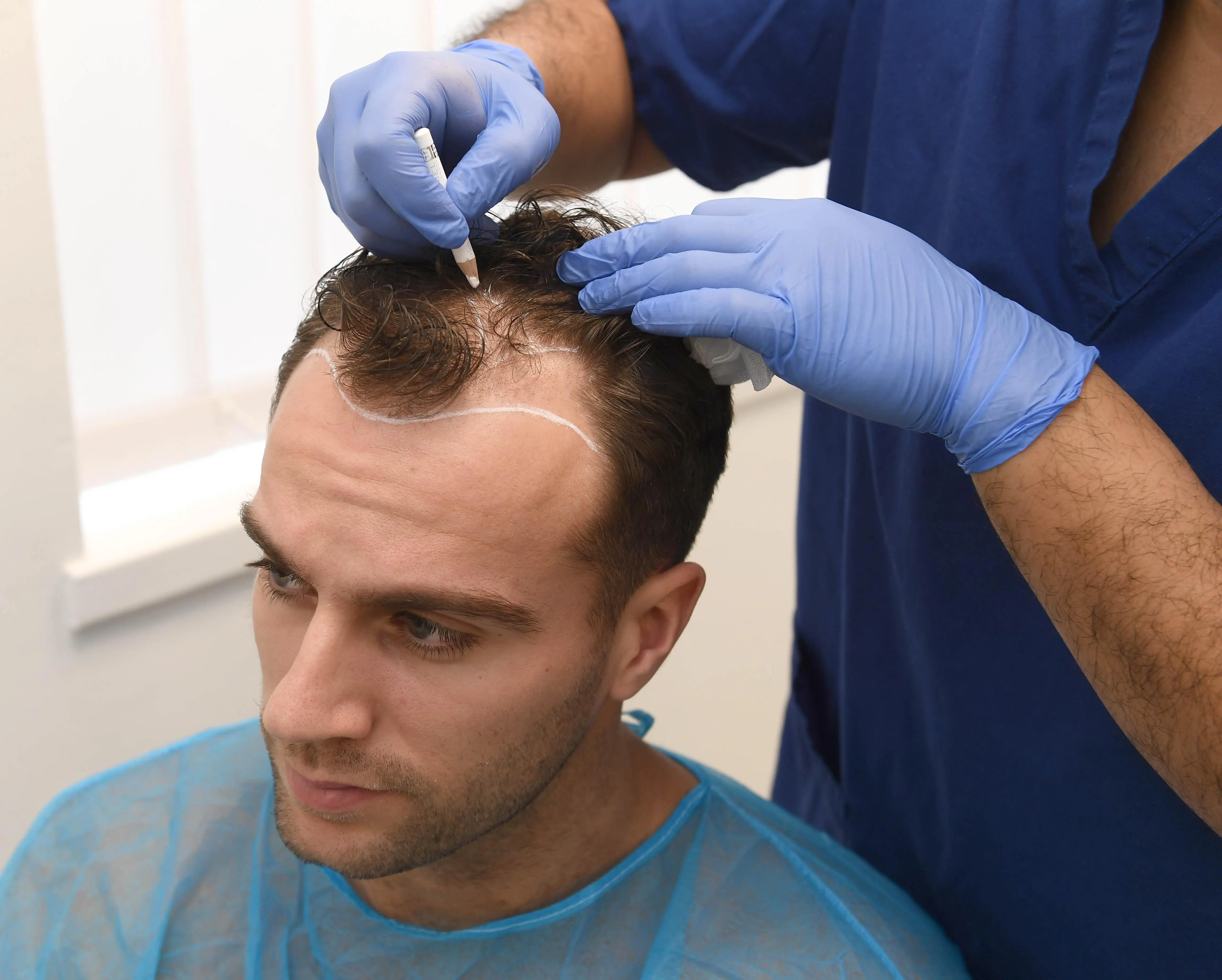
Embarking on a journey to restore your hair is a significant decision that requires a blend of medical precision and personal patience. For many patients, the process of a hair transplant in Riyadh (زراعة الشعر في الرياض)is not just a one-day surgical event but a year-long biological transformation. Understanding the month-by-month progression is the best way to manage expectations and remain confident as your scalp undergoes various stages of healing, shedding, and eventually, thriving. While the surgery itself is the catalyst, the true magic happens in the months that follow, as transplanted follicles take root and begin their new life cycle. This timeline serves as a roadmap, guiding you from the delicate first days of recovery to the final, high-density results that mark the completion of your restoration.
The First 10 Days: Protection and Stabilization
The immediate aftermath of a hair transplant is the most critical period for graft survival. During these early days, the newly implanted follicles are in a fragile state, establishing the blood supply they need to thrive.
-
Days 1–3: You may experience mild swelling, particularly around the forehead and eyes, which is a normal response to the local anesthesia. It is vital to keep your head elevated at a 45-degree angle while sleeping to encourage fluid drainage.
-
Days 4–7: Small scabs will form around each graft. These act as natural "bandages" protecting the follicles. Gentle washing with a specialized saline spray or mild shampoo begins during this window, ensuring the scalp remains clean without dislodging the grafts.
-
Day 10: By the tenth day, the grafts are typically "anchored." The scabs will begin to flake off naturally, and most of the initial redness and swelling will have subsided.
Weeks 2 to 4: The "Shock Loss" Phase
The most psychologically challenging part of the timeline occurs between the second and fourth weeks. During this phase, many patients notice that the newly transplanted hair shafts begin to fall out.
Important Note: This is a perfectly normal phenomenon known as "shock loss." The hair shafts are shedding, but the live follicles remain securely embedded beneath the skin. This "reset" allows the follicles to enter a resting phase before they begin producing permanent, healthy hair.
Months 2 to 3: The Dormant Period
This stage is often called the "silent phase." Your scalp will likely look much as it did before the surgery. To the naked eye, it may appear as though nothing is happening, but beneath the surface, the follicles are becoming metabolically active. This is a time for patience; the inflammation has cleared, the skin has healed, and the "groundwork" for growth is being laid.
Months 4 to 6: The "Sprouting" Phase
Between the fourth and sixth months, the first signs of real progress appear. You will notice fine, thin, and often "wispy" hairs—frequently compared to "baby hair"—beginning to emerge from the scalp.
-
Texture: These initial hairs may be light in color and soft in texture.
-
Coverage: Growth is often unsynchronized, meaning some areas may fill in faster than others. This patchiness is temporary and simply reflects the different timing of each follicle’s growth cycle. By the end of month six, you can typically expect to see about 40% to 50% of your eventual results.
Months 7 to 9: Significant Density and Texture Improvement
This is the "booming" phase where the most dramatic visual changes occur. The thin hairs from the previous months begin to thicken, darken, and gain the texture of your original donor hair.
-
Volume: The coverage becomes more uniform, and the "see-through" appearance of the scalp begins to disappear.
-
Integration: The transplanted hair starts to blend seamlessly with your native hair. Most patients find that by month nine, they can begin styling their hair with more freedom and confidence.
Month 12: The Final Transformation
At the one-year mark, your hair transplant journey reaches its official conclusion. The follicles have completed their maturation process, and the hair has reached its full diameter and strength.
-
Full Results: By now, 90% to 100% of the transplanted hair has grown in. The hairline is well-defined, and the density in the crown or mid-scalp is at its peak.
-
Permanence: These hairs are now a permanent part of your anatomy. You can cut, color, and style them just as you would natural hair.
-
Final Check-up: This is typically the time for a final review with your clinical team to document your "after" photos and celebrate the success of your restoration.

 English
 Arabic
 French
 Spanish
 Portuguese
 Turkish
 Dutch
Dutch
 Italiano
 Russian
 Romaian
 Portuguese (Brazil)
 Greek
Greek