


Protecting Your Post Peel Glow in the Intense Saudi Sun
Protecting Your Post Peel Glow in the Intense Saudi Sun
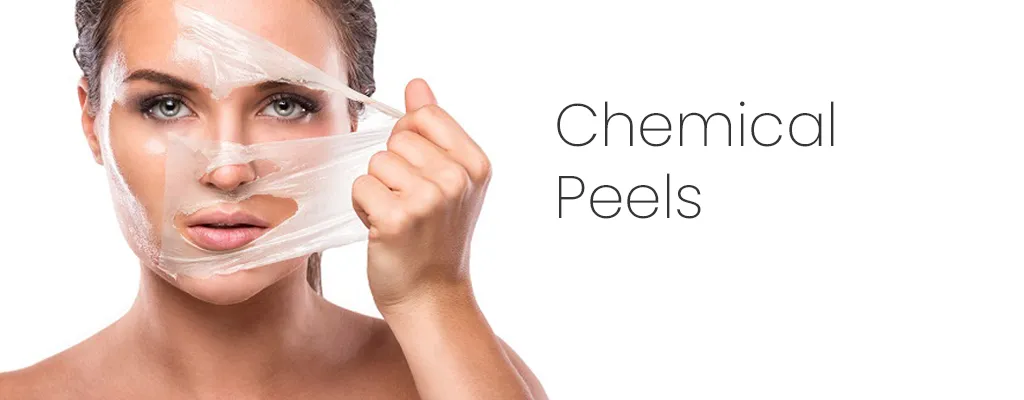
Undergoing Chemical Peels in Riyadh(التقشير الكيميائي في الرياض) is a significant investment in your skin’s health, but the work does not end when you leave the clinic. In a city where the UV index frequently reaches extreme levels, the period immediately following your treatment is the most critical for determining your long-term results. A chemical peel works by removing the protective, often damaged, outer layer of the skin to reveal a fresh, "virgin" layer of cells underneath. While this new skin is remarkably smooth and radiant, it is also highly vulnerable to the scorching Saudi sun. Without a strategic protection plan, the very sun you seek to repair damage from can cause new issues like post-inflammatory hyperpigmentation (PIH) or redness, effectively undoing the benefits of your procedure.
The Science of Vulnerability: Why Sun Protection is Non-Negotiable
When you receive a chemical peel, the acid solution dissolves the intracellular "cement" of the epidermis. This process removes the dead skin cells that act as a natural, albeit weak, physical shield against UV radiation. The skin that emerges is "thin" in a biological sense; it lacks the built-up keratin and melanin layers that normally provide a baseline of defense.
In the intense light of Riyadh, UV rays can penetrate this fresh skin more deeply and rapidly than usual. This triggers a stress response in the melanocytes—the cells responsible for pigment. If these cells are "alarmed" by sudden, intense sun exposure during the healing phase, they may overproduce melanin in an uneven fashion, leading to dark patches. Therefore, protecting your "post-peel glow" is not just about avoiding a burn; it is about managing the biological signaling of your skin to ensure an even, radiant tone.
The "Gold Standard" Sunscreen Protocol
In the Riyadh climate, a standard "once-a-day" sunscreen application is insufficient, especially after a medical-grade peel. Residents should adopt a rigorous, clinical approach to SPF:
-
Mineral Over Chemical: For the first 7 to 10 days post-peel, dermatologists generally recommend mineral (physical) sunscreens containing Zinc Oxide or Titanium Dioxide. Unlike chemical filters, which absorb into the skin and can cause stinging on a compromised barrier, mineral filters sit on top of the skin and reflect UV rays like a mirror. They are inherently more soothing and provide immediate protection upon application.
-
The SPF 50+ Rule: While SPF 30 is a global baseline, the intensity of the Saudi sun warrants an SPF of 50 or higher. Look for "Broad Spectrum" labels to ensure protection against both UVA (aging) and UVB (burning) rays.
-
The Two-Hour Refresh: Sunscreen breaks down under the heat and from the natural oils of your skin. Reapplication every two hours is essential if you are near windows or outdoors. For those who don't want to disturb their skin, SPF powders or mists specifically designed for sensitive skin can be used for touch-ups.
Physical Barriers: Your Second Line of Defense
Given the extreme luminosity in the Nejd region, topical sunscreen should be supplemented with physical barriers. Think of your protection in layers:
-
The "Car Window" Trap: Many residents realize too late that standard car glass does not block all UVA rays. In Riyadh, where commuting is a significant part of daily life, the sun hitting the side of your face through the window can cause "silent" damage to post-peel skin. Utilizing high-quality UV-tinting on your vehicle or wearing a light face-shielding scarf while driving can mitigate this risk.
-
Wide-Brimmed Hats: A hat is a non-negotiable accessory for at least one week after a peel. A brim of at least 10cm provides the necessary shadow to protect not just the forehead, but also the delicate skin around the eyes and the tops of the cheeks, which are most prone to pigmentation.
-
Strategic Scheduling: Avoiding the sun between 10:00 AM and 4:00 PM is the most effective way to protect your results. If you must run errands, try to schedule them for the early morning or after sunset when the UV index has dropped.
Combatting the "Dry Heat" Dehydration
Riyadh’s air is notoriously arid, and air conditioning further strips the environment of moisture. Post-peel skin has a compromised "moisture barrier," meaning it loses water much faster than healthy skin. If the skin becomes too dry, it can crack or peel prematurely, leading to irritation that the sun will only exacerbate.
To maintain your glow, you must practice "internal and external" hydration. Externally, use barrier-repair creams rich in ceramides, fatty acids, and hyaluronic acid to lock in moisture. Internally, increasing your water intake is vital to support the cellular turnover happening deep within the dermis. A well-hydrated skin cell is more resilient and better able to withstand the oxidative stress caused by the heat.
The "Hands-Off" Policy
As your skin begins to flake—a natural part of the process—it can be incredibly tempting to pick at the loose edges. In the Saudi climate, where heat can already make the skin feel itchy, this urge is amplified. However, manually peeling the skin before it is ready exposes the underlying cells too early, making them even more susceptible to sun-induced scarring. The rule is simple: let it fall off naturally. Use a heavy ointment or a thermal water spray to soothe the itch rather than touching the face.
Long-Term Maintenance of the Glow
Once the peeling process is complete, usually after 7 to 14 days, your skin will look its absolute best. To keep this "glow" for months rather than weeks, you must continue your sun-safe habits. The Riyadh sun is a constant factor; treats like chemical peels are effective "resets," but daily protection is the "maintenance." Integrating a Vitamin C serum (once your skin is fully healed) can provide an extra layer of antioxidant protection, helping to neutralize the free radicals that the Saudi sun generates.
Conclusion
The secret to a successful chemical peel in Riyadh lies as much in the aftercare as it does in the treatment room. By respecting the power of the local environment and treating your skin like a "prized possession" in the days following your procedure, you can ensure that your radiant, youthful results last. Protecting your glow is a commitment to your future self, ensuring that the vibrancy revealed by the peel remains unblemished by the desert sun.

 English
 Arabic
 French
 Spanish
 Portuguese
 Deutsch
 Turkish
 Dutch
Dutch
 Russian
 Romaian
 Portuguese (Brazil)
 Greek
Greek