


Robotic vs. Manual Extraction: Which is Better for Your Grafts?
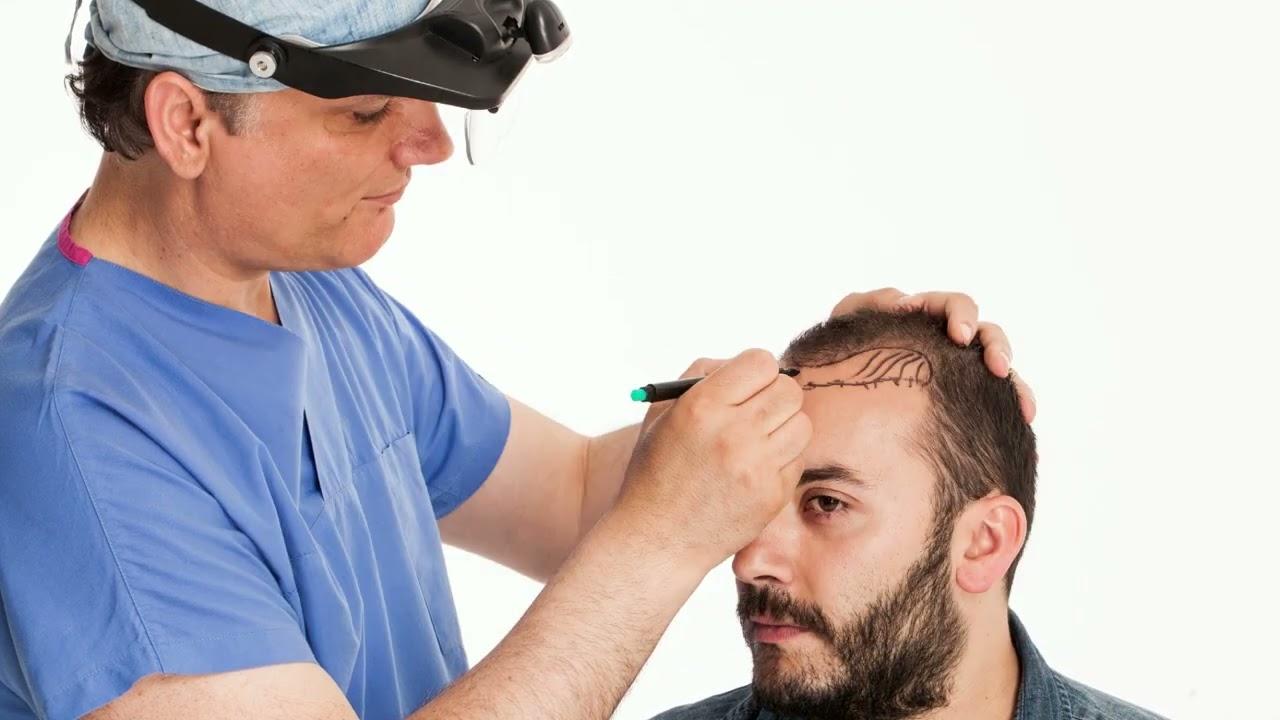
Robotic vs. Manual Extraction: Which is Better for Your Grafts?
Hair transplantation in Buraydah(زراعة الشعر في بريدة) has entered a high-tech era where the debate between robotic automation and the traditional "human touch" is a primary concern for patients seeking the best value for their investment. As the Qassim region continues to modernize its medical infrastructure, many clinics now offer robotic systems like ARTAS alongside manual Follicular Unit Extraction (FUE). The central question for any prospective patient is not just about the speed of the procedure, but about the biological integrity of the grafts. Each hair follicle is a delicate living organ; how it is handled during the extraction phase directly determines its survival rate and its ability to produce thick, natural hair once transplanted. Choosing between a machine-guided arm and a surgeon’s steady hand requires an understanding of how tactile feedback, transection rates, and surgical fatigue play into the final "after" photo.
The Manual Approach: The Power of Tactile Feedback
Manual FUE remains the "gold standard" for many elite surgeons because it relies on human sensory perception that current technology cannot fully replicate.
-
Feeling the Resistance: Every scalp has a different level of tissue density and "toughness." A skilled surgeon can feel the subtle resistance of the skin and adjust the rotational speed and depth of the punch in real-time. This "tactile feedback" is crucial for minimizing transection—the accidental cutting of the hair bulb.
-
Adapting to Hair Angles: Hair does not always grow straight beneath the skin; it can curve or change direction unexpectedly. A human surgeon can visually and physically track these changes, whereas a robot follows a pre-programmed linear path based on surface algorithms.
-
Lower Transection Rates: In the hands of an expert, manual extraction typically achieves a transection rate of less than $3\text{--}5\%$. This ensures that nearly every harvested follicle is viable for implantation.
The Robotic Approach: Consistency and Speed
Robotic systems, such as the ARTAS platform, were developed to solve the problem of human fatigue during long, multi-hour "mega-sessions" involving thousands of grafts.
-
Eliminating Fatigue: Unlike a human, a robot does not experience hand-eye fatigue. Whether it is the first graft or the 3,000th, the machine maintains a consistent level of precision and speed, which can be an advantage in very large procedures.
-
AI Mapping: Robotic systems use advanced 3D imaging to scan the donor area and identify the healthiest, most robust follicular units. The AI can select grafts in a perfectly "randomized" pattern, ensuring that the donor area doesn't look overly thinned out or patchy after the hair is taken.
-
Procedure Duration: Robotics can significantly shorten the time spent in the surgical chair. By harvesting grafts at a rate often exceeding $1,000$ units per hour, the robot allows patients to complete their procedure faster and begin their recovery sooner.
Comparing Graft Survival: The 2026 Perspective
In 2026, data suggests that while both methods are highly effective, their success depends on the patient's specific hair type and the clinic's expertise.
| Feature | Manual Extraction | Robotic Extraction |
| Graft Survival | $95\% - 98\%$ (Expert-led) | $90\% - 94\%$ (Standard) |
| Ideal For | Curly, fine, or grey hair | Straight, dark, thick hair |
| Customization | High (Bespoke design) | Moderate (Algorithm-based) |
| Cost in KSA | $7,000 - 15,000$ SAR | $10,000 - 40,000$ SAR |
Which is Better for Your Grafts?
The "better" option often depends on the complexity of your case.
-
Choose Manual if: You have curly or wavy hair, have a limited donor supply that requires "cherry-picking" the best follicles, or if you are seeking a highly artistic hairline design. The manual method offers a level of nuance and safety that is generally superior for difficult hair types.
-
Choose Robotic if: You have straight, dark hair and require a massive number of grafts (over $3,000$) in a single day. The robot excels at high-volume efficiency and can provide a very consistent harvest for straightforward cases.
Conclusion: The Surgeon Behind the Machine
Ultimately, the most important factor in a hair transplant in Buraydah is not the tool itself, but the surgeon who wields it. A robot is only as good as the parameters set by the doctor, and a manual punch is only as effective as the hands that guide it. When choosing your clinic in the Qassim region, look for a specialist who understands the limitations of both technologies. Whether they use a machine to assist with the "heavy lifting" or prefer the artisanal precision of a manual extraction, their goal should always be the same: the maximum survival of every graft and a result that looks entirely natural for the rest of your life.

 English
 Arabic
 French
 Spanish
 Portuguese
 Deutsch
 Turkish
 Dutch
Dutch
 Italiano
 Russian
 Romaian
 Greek
Greek