


FUE vs. DHI: Which Beard Transplant Technique Is Right for You?
FUE vs. DHI: Which Beard Transplant Technique Is Right for You?
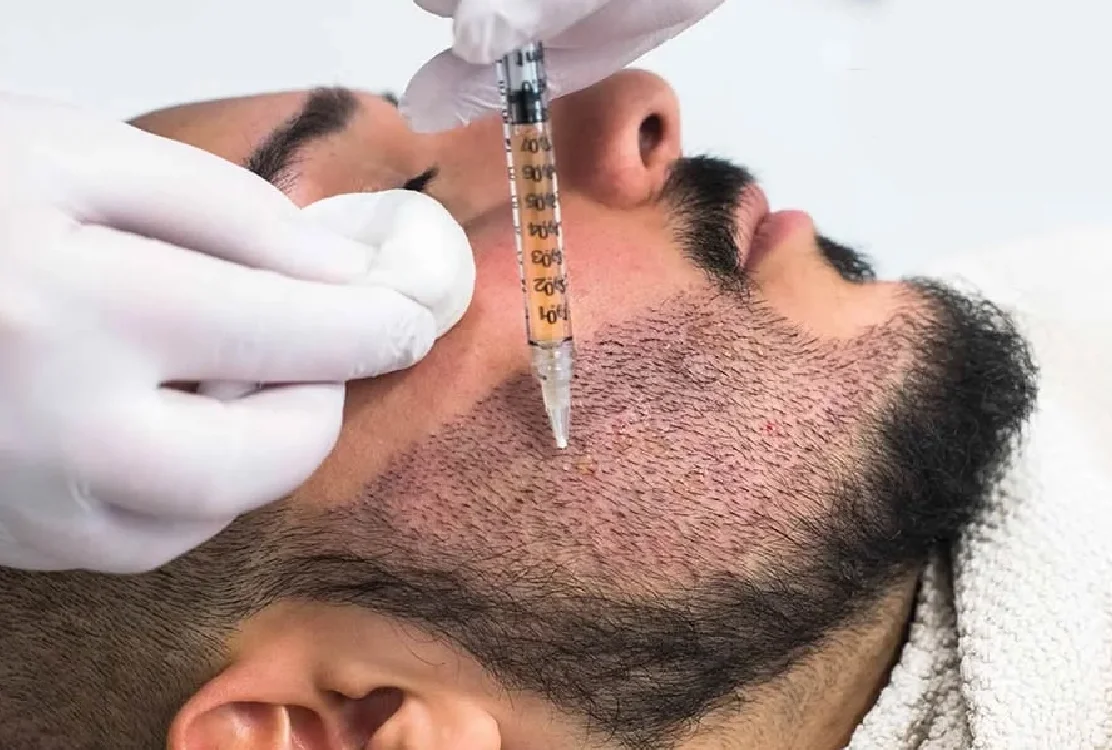
The journey toward a denser, more masculine facial profile often begins with a critical technical choice: the method of implantation. For those considering a beard hair transplant in Riyadh,(زراعة شعر اللحية في الرياض) the decision typically boils down to two industry-leading techniques: Follicular Unit Extraction (FUE) and Direct Hair Implantation (DHI). Both methods are minimally invasive and offer permanent results, but they differ significantly in their execution and the specific aesthetic goals they are best suited to achieve. As Riyadh’s medical centers continue to adopt the latest in hair restoration technology, understanding the nuances of these two procedures is essential for any man looking to refine his beard with precision and confidence.
The Fundamental Difference: How Grafts Are Placed
While both FUE and DHI involve extracting individual hair follicles from a donor area (usually the back of the head), the way those follicles are reintroduced to the face is where the paths diverge.
-
FUE (Follicular Unit Extraction): In this two-step process, the surgeon first creates tiny "channels" or recipient sites in the beard area using a micro-blade or sapphire needle. Once the channels are prepared, the extracted grafts are manually placed into these sites using forceps.
-
DHI (Direct Hair Implantation): This is often described as a "one-step" method. Using a specialized tool called a Choi Implanter Pen, the surgeon loads the follicle into the pen and implants it directly into the skin. This tool creates the channel and places the graft simultaneously, eliminating the need for pre-made incisions.
Precision and Natural Aesthetics
When it comes to the beard, "natural" is defined by the angle and direction of hair growth, which is far more varied on the face than on the scalp.
The DHI Edge: High-Density Detail
DHI is widely regarded as the gold standard for high-density work in smaller, highly visible areas like the mustache or the upper cheek line. Because the Choi Pen allows for 360-degree control over the depth, angle, and direction of each hair, the surgeon can mimic the extremely flat angles at which facial hair often grows. If your goal is a sharp, defined "designer" beard with maximum density in specific patches, DHI offers a level of microscopic precision that is hard to beat.
The FUE Edge: Uniform Coverage
FUE is often the preferred choice for men seeking broader coverage across the entire jawline or neck. Because the channel-opening phase happens separately, a skilled surgeon can map out a very uniform distribution of hair across a larger surface area. FUE is highly efficient for "filling in" extensive patchiness where the sheer volume of grafts is the priority.
Recovery and Healing: What to Expect in Riyadh
Both procedures are performed under local anesthesia and allow for a relatively quick return to the vibrant social life of Riyadh, but the healing timelines vary slightly.
-
DHI Recovery: Since DHI bypasses the separate channel-opening stage, it typically results in less tissue trauma, less bleeding, and minimal swelling. Many patients find that the tiny "crusts" associated with the procedure heal faster—often within 4 to 7 days—making it an excellent choice for those with a busy professional schedule.
-
FUE Recovery: The two-step process of FUE may cause slightly more initial redness and a slightly longer "scabbing" period, usually lasting 7 to 10 days. However, with the advent of Sapphire FUE, which uses gemstone blades for smoother incisions, the gap in recovery time between the two methods has narrowed significantly.
Technical Comparison: FUE vs. DHI
| Feature | FUE (Follicular Unit Extraction) | DHI (Direct Hair Implantation) |
| Implantation Method | Manual placement into pre-made channels | Direct placement using a Choi Pen |
| Best For | Large areas, maximum graft count | Detailed hairlines, high-density patches |
| Graft Handling | Grafts stored in solution before placement | Grafts spend less time outside the body |
| Shaving | Donor area must be shaved | Often possible with minimal/no shaving |
| Procedure Time | Faster for large sessions | Slower and more meticulous |
| Precision | High (depends on surgeon's skill) | Extreme (enhanced by specialized tools) |
Which Is Right for You?
Choosing between FUE and DHI is a decision that should be made in consultation with a specialist who understands your specific facial anatomy.
-
Choose FUE if: You require a large number of grafts to cover a completely bare jawline, you are looking for a more cost-effective option, or you prefer the uniform results of the sapphire-blade technique.
-
Choose DHI if: You are focusing on small, high-impact areas like the cheek borders, you want the fastest possible recovery time, or you prefer a technique that maximizes the survival rate of follicles by reducing their time outside the body.
Conclusion
In the sophisticated medical landscape of 2026, the debate between FUE and DHI is less about which is "better" and more about which is "right" for your unique beard goals. Both techniques, when performed by experts in Riyadh, offer a path to a permanent and transformative boost in confidence. Whether you prioritize the broad-scale efficiency of FUE or the surgical artistry of DHI, the result is the same: a beard that looks natural, feels authentic, and stands as a testament to modern medical innovation.

 English
 Arabic
 French
 Spanish
 Portuguese
 Deutsch
 Turkish
 Dutch
Dutch
 Italiano
 Russian
 Romaian
 Greek
Greek